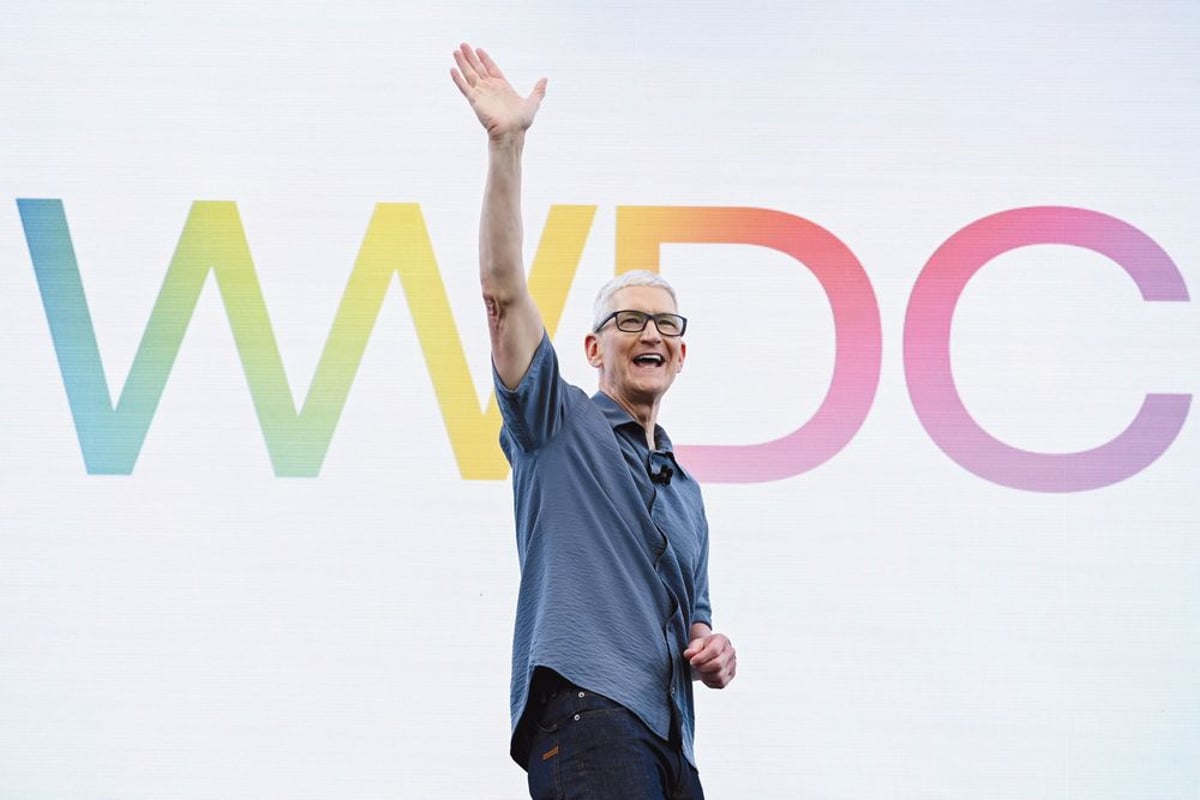
Apple is taking center stage at WWDC 2026 with what could be the company's most consequential AI push yet. Speaking from Apple Park in Cupertino, the company is unveiling iOS 27 and the entire "Class of '27" operating systems under the tagline "All Systems Glow" - a clear signal that Apple Intelligence is getting a major upgrade. Industry insiders are buzzing about a complete Siri overhaul powered by advanced AI, while the stakes have never been higher: this marks Tim Cook's final WWDC keynote as CEO, adding historical weight to today's announcements.
Apple is rolling out the red carpet for developers today at its annual WWDC keynote, but this isn't just another software update cycle. The company is under intense pressure to prove it can compete in the AI arms race that's reshaped the tech landscape over the past two years.
According to The Verge's live coverage from Apple Park, the event kicked off with the familiar rhythm WWDC veterans know well - a parade through iOS 27, macOS 27, iPadOS 27, watchOS 27, and visionOS 27. But the "All Systems Glow" tagline isn't subtle. Apple is betting big on Apple Intelligence, the AI framework it introduced last year that's now getting what sources describe as a substantial overhaul.
The elephant in the room? Siri. Apple's voice assistant has struggled to keep pace with OpenAI's ChatGPT integration into competing platforms and Google's increasingly capable Assistant. Industry chatter in the lead-up to today's event suggested Apple was ready to take "another run" at making Siri truly intelligent - not just responsive, but contextually aware and genuinely helpful.
This marks a pivotal moment for Apple's AI strategy. While competitors raced to ship generative AI features throughout 2024 and 2025, Apple took a more measured approach, focusing on privacy-first, on-device processing. That caution may have cost the company momentum. Meta, Microsoft, and Google have all embedded powerful AI assistants deep into their ecosystems, leaving Apple playing catch-up in a market it once dominated with Siri's 2011 debut.
The pressure is compounded by timing. Reports indicate this will be Tim Cook's final WWDC keynote as CEO, though Apple hasn't officially confirmed succession plans. That adds a layer of historical significance to today's announcements - this could be Cook's last chance to define his AI legacy and set the direction for his successor.
Developers watching today's event are looking for specifics: What new APIs will Apple Intelligence expose? How will the revamped Siri integrate with third-party apps? Can Apple deliver the kind of large language model capabilities that make ChatGPT so sticky, while maintaining its privacy stance? These aren't just technical questions - they're existential ones for Apple's platform.
The broader context matters too. Apple's services revenue has become increasingly critical as iPhone sales plateau. A truly intelligent Siri could unlock new subscription opportunities, drive App Store engagement, and create stickiness across Apple's hardware ecosystem. Conversely, falling further behind in AI risks making iPhones feel dated compared to Android alternatives running Google's latest Gemini models.
Wall Street is watching closely. Apple's stock has underperformed tech peers over the past 18 months, partly due to concerns that the company lacks a coherent AI strategy. Today's keynote is Apple's chance to change that narrative - to show that its deliberate approach wasn't hesitation, but rather a thoughtful build-up to a comprehensive AI rollout.
The "Class of '27" operating systems represent Apple's unified vision across devices. If Apple Intelligence truly works seamlessly from iPhone to Mac to Apple Watch to Vision Pro, that could be the differentiator that justifies Apple's premium pricing. But it needs to work - and work noticeably better than what came before.
Developers and consumers alike are tired of Siri's limitations. Simple requests still fail. Context gets lost between queries. The bar is high because the competition has raised it. Amazon's Alexa, despite its own struggles, handles smart home control better. Google Assistant understands natural language more fluidly. ChatGPT can actually reason through complex questions.
What we're seeing unfold at Apple Park today will determine whether Apple remains a leader in personal computing or becomes a cautious follower in the AI era. The technology is table stakes now - every platform needs intelligent assistance baked in. The question is whether Apple can deliver it with the polish and integration that made the iPhone revolutionary.
Apple's WWDC 2026 keynote represents more than just software updates - it's the company's defining moment in the AI era. With Tim Cook delivering his final developer conference address and competitors already racing ahead with advanced AI assistants, Apple needs to prove that its privacy-focused, deliberate approach to artificial intelligence can deliver results that justify the wait. The rumored Siri overhaul and deep Apple Intelligence integration across iOS 27 and the entire operating system lineup will either validate Apple's strategy or confirm fears that the company has lost its innovative edge. For developers, consumers, and investors watching from Cupertino and around the world, today's announcements will shape Apple's trajectory for the next decade.