An Avride autonomous vehicle struck and killed a mother duck in Austin's Mueller neighborhood, igniting fresh debate about the readiness of self-driving technology for public streets. Witnesses say the vehicle didn't slow down or react to the animal crossing with ducklings in tow, raising questions about sensor blind spots that could affect pedestrian safety. The incident comes as AV companies push for broader deployment across U.S. cities.
Avride, a self-driving startup backed by Yandex, is facing community anger after one of its autonomous vehicles struck and killed a mother duck in Austin's Mueller neighborhood this week. The incident, while seemingly minor, has reopened uncomfortable questions about whether self-driving systems can reliably detect and respond to unexpected obstacles - especially small ones close to the ground.
"It didn't slow down or hesitate at all, just steamrolled right through," a witness told TechCrunch. The mother duck was reportedly crossing with her ducklings when the vehicle hit her, leaving neighborhood residents shaken and skeptical about the technology operating on their streets.
The Mueller neighborhood has become a testing ground for autonomous vehicles over the past year, with multiple companies running pilot programs in the area. But this incident marks the first time local residents have witnessed an AV fail to respond to a living creature in its path - a failure mode that safety advocates say could just as easily involve a small child or pet.
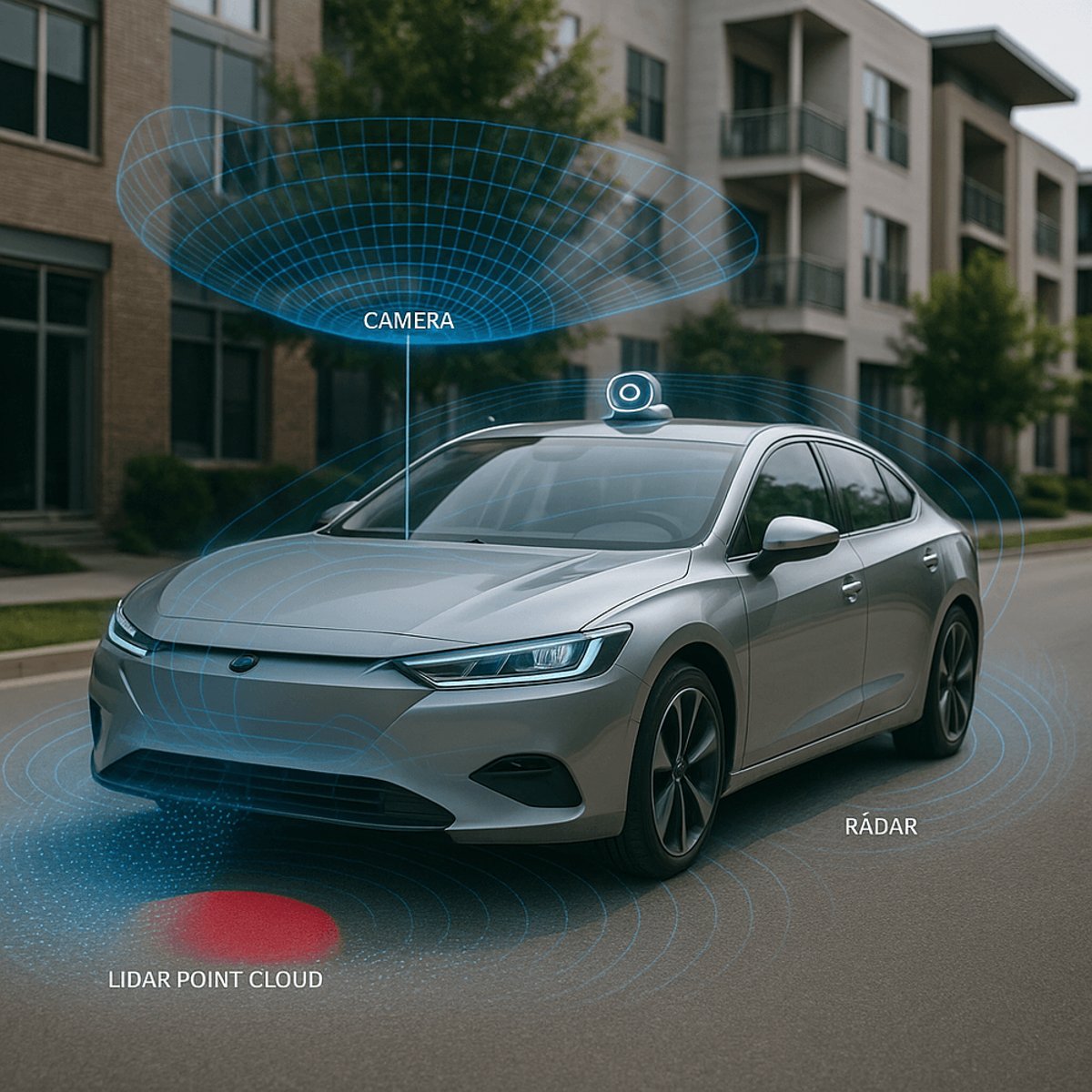
Avride's sensor suite, like most autonomous vehicles, relies on a combination of cameras, lidar, and radar to build a real-time picture of the environment. But detecting low-profile objects - especially those that blend into road surfaces or move unpredictably - remains one of the toughest challenges in autonomous driving. Birds, small animals, and even dark-colored objects can confuse computer vision systems that are trained primarily on vehicles, pedestrians, and stationary obstacles.
The company hasn't yet issued a public statement about the incident or explained whether the vehicle's sensors detected the duck at all. That silence isn't helping. Community members have taken to local social media groups to share concerns, with some calling for stricter oversight of AV testing in residential neighborhoods. One resident described watching the ducklings circle their dead mother afterward - an image that's become a rallying point for skeptics.
This isn't just about wildlife. The same sensor limitations that failed to protect a duck family could theoretically miss a toddler chasing a ball into the street, or a pet that slips its leash. While AV companies consistently point to their safety records - Waymo recently reported covering over 20 million autonomous miles - these edge cases reveal how much the technology still struggles with the messy unpredictability of real-world environments.
Avride operates a small fleet of autonomous delivery robots and vehicles across several U.S. cities, competing with better-funded rivals like Cruise, Waymo, and Aurora. The company spun out of Yandex's self-driving division in 2022 and has been working to establish a foothold in Texas, where regulatory requirements for AV testing are relatively permissive compared to California.
But public acceptance matters as much as regulatory approval. A 2025 AAA survey found that 68% of U.S. drivers remain afraid of riding in fully autonomous vehicles, and incidents like this one - however small - feed that anxiety. If people don't trust AVs to avoid a duck, they're unlikely to trust them with their children's school commute.
The Austin incident also comes at a sensitive time for the broader autonomous vehicle industry. Tesla is facing renewed scrutiny over its Full Self-Driving beta after several high-profile crashes, while Cruise is still rebuilding trust following last year's pedestrian dragging incident in San Francisco that led to a suspension of its operations. Every mishap - even one involving a duck - adds weight to the argument that the technology isn't ready for unsupervised deployment.
For Avride, the challenge now is demonstrating that this was an isolated failure rather than a systemic flaw in its perception systems. The company will need to explain what happened, what its vehicle detected (or didn't), and how it plans to prevent similar incidents. Transparency has become the price of admission for AV companies operating in public spaces, and communities are no longer willing to serve as passive test subjects.
Mueller residents, meanwhile, are left wondering what else these vehicles might not see.
What happened in Mueller this week matters less for the duck than for what it reveals about autonomous vehicle limitations. If AV systems can't reliably detect and avoid small animals, that raises legitimate questions about their ability to handle every edge case that matters to human safety. For Avride and the broader industry, incidents like this are reminders that public trust is fragile and earned through transparency, not just mile counts. The technology may be impressive, but it still has to prove it can handle a world where ducks - and toddlers - don't always follow the rules of the road.