ByteDance is scrambling to contain a brewing legal war with Hollywood's biggest studios. The TikTok parent company just announced it will add copyright safeguards to Seedance 2.0, its powerful AI video generation tool, after facing coordinated legal threats from Disney, Netflix, Paramount, Sony, and Universal. The move marks a rare retreat for the Chinese tech giant and signals how seriously AI companies are starting to take Hollywood's intellectual property firepower.
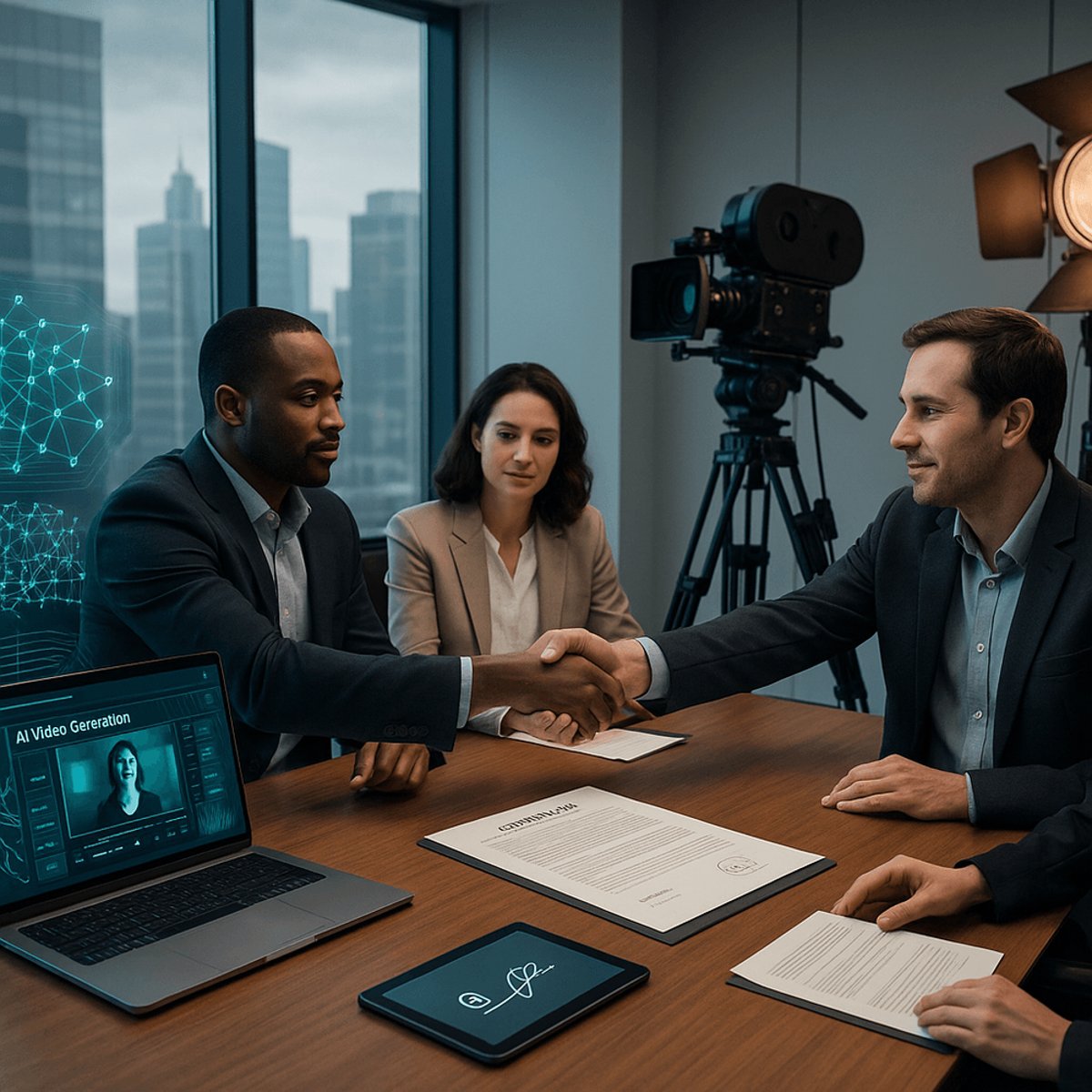
ByteDance just blinked first in its standoff with Hollywood. The company confirmed it will strengthen copyright protections in Seedance 2.0, its sophisticated AI video-making tool, following what sources describe as aggressive legal positioning from the Motion Picture Association and its member studios.
The announcement comes after weeks of escalating tension between the TikTok owner and entertainment industry heavyweights. Disney, Netflix, Paramount, Sony Pictures, and Universal had reportedly sent cease-and-desist letters and threatened coordinated litigation over concerns that Seedance was trained on copyrighted film and television content without permission.
ByteDance's capitulation marks a significant shift for a company that's historically fought regulatory battles on multiple fronts. But the studios' united front appears to have worked. The commitment to add safeguards suggests ByteDance recognizes the existential threat a prolonged legal war with Hollywood's deepest pockets could pose to its AI ambitions.
Seedance 2.0 burst onto the scene as one of the most capable text-to-video AI models available, rivaling offerings from OpenAI and Google. Users can generate photorealistic video clips from simple text prompts, with results that sometimes blur the line between synthetic and real footage. That capability is exactly what terrifies Hollywood executives who worry about both copyright infringement and the potential displacement of human creators.
The copyright question hanging over generative AI has become increasingly urgent. While companies like OpenAI and Anthropic have faced lawsuits from authors and publishers over training data, video AI presents an even thornier challenge. Film and television content represents billions of dollars in production value and intellectual property, making studios far more aggressive in protecting their assets than individual authors could be.
ByteDance hasn't detailed what specific safeguards it plans to implement. Industry observers expect some combination of content filtering to prevent generation of copyrighted characters or scenes, watermarking of AI-generated outputs, and potentially limitations on commercial use. The company may also need to provide more transparency about its training data sources, something AI companies have been notoriously reluctant to do.
The entertainment industry's coordinated response demonstrates a lesson learned from the music industry's struggles with Napster and early streaming services. By presenting a united front early, studios hope to establish legal precedents and industry norms before AI video generation becomes ubiquitous. The MPA has been particularly active in recent months, lobbying for stronger AI regulations and threatening legal action against multiple companies.
What's notable is the speed of ByteDance's reversal. Unlike its years-long fight against a US TikTok ban, the company folded within weeks of Hollywood's legal threats. That suggests either damaging evidence about training data sources or a calculated business decision that fighting studios isn't worth the distraction from other priorities. ByteDance is already navigating complex US-China tech tensions and regulatory scrutiny across multiple markets.
The precedent could reshape how other AI companies approach Hollywood content. Meta recently paused its own video AI rollout, while Adobe has emphasized its use of only licensed training data for Firefly. OpenAI's Sora remains in limited preview months after its announcement, potentially reflecting similar caution about copyright exposure.
For content creators and studios, ByteDance's commitment represents a tactical victory but not the end of their AI concerns. Even with safeguards, these tools could enable new forms of content creation that compete with traditional media. The bigger question is whether copyright law developed for an analog era can adequately address AI systems that learn patterns from vast datasets rather than copying specific works.
The move also exposes tensions within ByteDance itself. TikTok has built its empire on user-generated content that often includes copyrighted music and video clips, navigating those issues through licensing deals. But Seedance operates in murkier territory where the training process itself, not just the output, faces legal scrutiny. Aligning those different content strategies while maintaining innovation will be tricky.
Industry lawyers are watching closely to see if ByteDance's safeguards become an informal industry standard or if studios push for even stronger protections. The lack of clear legal precedent around AI training data means companies are essentially negotiating terms under the shadow of potential litigation, with neither side certain how courts would ultimately rule.
ByteDance's promise to add copyright safeguards to Seedance 2.0 won't end the AI training data debate, but it shows Hollywood's legal threats carry real weight. The question now is whether these protections will be meaningful guardrails or window dressing, and whether other AI companies will follow suit before courts force their hand. What's clear is that the entertainment industry isn't waiting for regulation to catch up - it's using existing copyright law and the threat of expensive litigation to shape AI development in real time. For ByteDance, the retreat might be pragmatic, but it also signals that even tech giants recognize some fights aren't worth having when the opposition comes armed with both legal firepower and decades of IP case law.