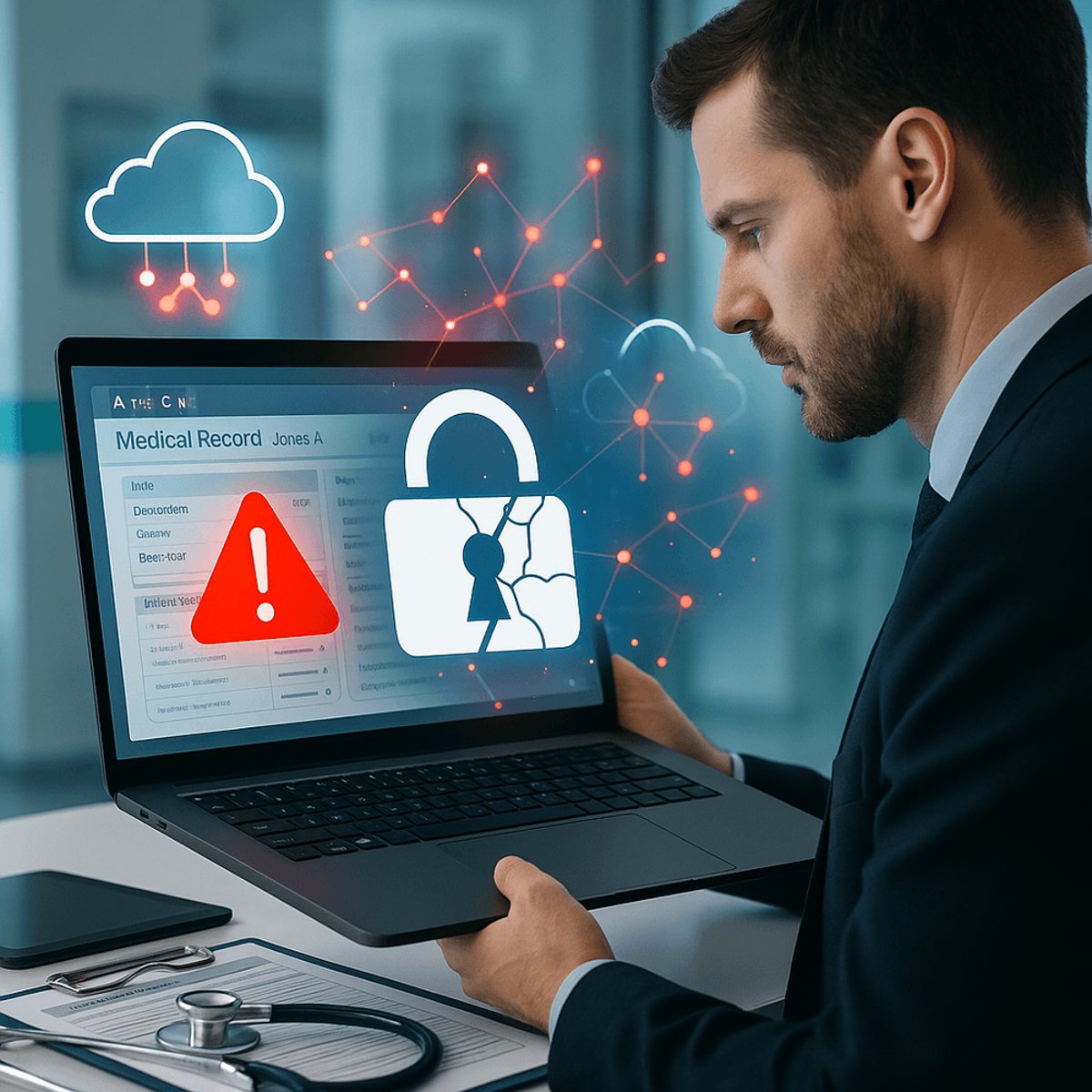
A massive healthcare data breach just exposed millions of Americans' most sensitive information. CareCloud, a major provider of electronic health records technology serving over 45,000 medical providers, confirmed hackers broke into one of its patient data repositories earlier this month. The breach potentially affects millions of patients whose medical histories, diagnoses, and treatment records were stored in the company's cloud-based systems. It's the latest in a growing wave of cyberattacks targeting healthcare infrastructure, where patient data has become among the most valuable commodities on the dark web.
CareCloud, one of the healthcare industry's major technology backbone providers, just confirmed what every patient dreads: hackers accessed a repository containing sensitive medical records. The company disclosed the breach earlier this week, revealing that unauthorized actors infiltrated one of its data storage systems in March 2026.
The timing couldn't be worse for an industry already reeling from escalating cyberattacks. CareCloud's platform serves as the digital nervous system for more than 45,000 healthcare providers across the United States, managing everything from patient scheduling to medical billing to the electronic health records that document every doctor's visit, prescription, and diagnosis. That massive footprint means the breach potentially exposes millions of patients' most intimate health information.
CareCloud hasn't disclosed exactly how many patients were affected or what specific data the hackers accessed. But the company's technology processes records for millions of Americans, making this one of the larger healthcare data breaches in recent memory. Medical records are particularly valuable to cybercriminals because they contain everything needed for identity theft and insurance fraud: Social Security numbers, insurance details, medical histories, and billing information.
The breach highlights a critical vulnerability in modern healthcare delivery. As medical practices have migrated from paper charts to cloud-based electronic health record systems, they've consolidated massive amounts of sensitive data with a handful of technology vendors. When one of these vendors gets breached, the impact cascades across thousands of medical offices and millions of patients who never chose the vendor and may not even know their data was stored there.
Healthcare has become cybercriminals' favorite target. Medical records fetch up to $1,000 each on dark web markets, roughly 50 times what stolen credit card numbers command. Unlike credit cards that can be quickly canceled, medical identities are permanent. Fraudsters use stolen health records to file fake insurance claims, obtain prescription drugs, and even receive medical treatment under someone else's identity.
The breach also exposes CareCloud's healthcare provider clients to serious regulatory headaches. Under HIPAA regulations, medical practices are responsible for protecting patient data even when they've outsourced storage to third-party vendors. Affected providers will need to conduct risk assessments, potentially notify every impacted patient, and offer credit monitoring services. The notification process alone could cost millions as practices mail letters to patients and field questions about what information was exposed.
CareCloud built its business on promising secure, compliant cloud infrastructure for medical practices that lack in-house IT resources. The company went public via SPAC merger and has positioned itself as a one-stop shop for medical practice management. This breach undermines that core value proposition at a time when healthcare organizations are increasingly scrutinizing their vendors' security practices.
The attack method and whether ransomware was involved remain unclear. CareCloud hasn't said if the hackers demanded payment or simply exfiltrated data for later sale. Many recent healthcare breaches have involved ransomware gangs who both encrypt systems and steal data, giving them two forms of leverage: pay to restore access and pay again to prevent data publication.
What's certain is that affected patients face years of potential identity theft risk. Medical identity theft is notoriously difficult to detect and resolve. Victims often don't discover the fraud until they're denied insurance coverage, billed for services they never received, or find someone else's medical history mixed with their own records. Correcting fraudulent medical records can take months or years and potentially affect future care if doctors rely on contaminated records.
For CareCloud, the immediate priority is forensic investigation and damage control. The company likely brought in cybersecurity incident response firms to trace the intrusion, identify what data was accessed, and shore up defenses. But the real reckoning comes later, in the form of class-action lawsuits, regulatory investigations, and the long-term reputational damage from failing to protect millions of patients' most sensitive information.
The CareCloud breach exposes a fundamental tension in modern healthcare: the efficiency gains from centralized cloud platforms create concentrated risk that multiplies with every new provider client. As medical practices continue outsourcing their IT infrastructure to vendors like CareCloud, the healthcare industry needs to reckon with whether current security practices are adequate for protecting society's most sensitive data. For the millions of patients caught in this breach, the consequences will likely persist for years, turning a single security failure into a permanent vulnerability that follows them through every insurance application, prescription fill, and doctor's visit ahead.