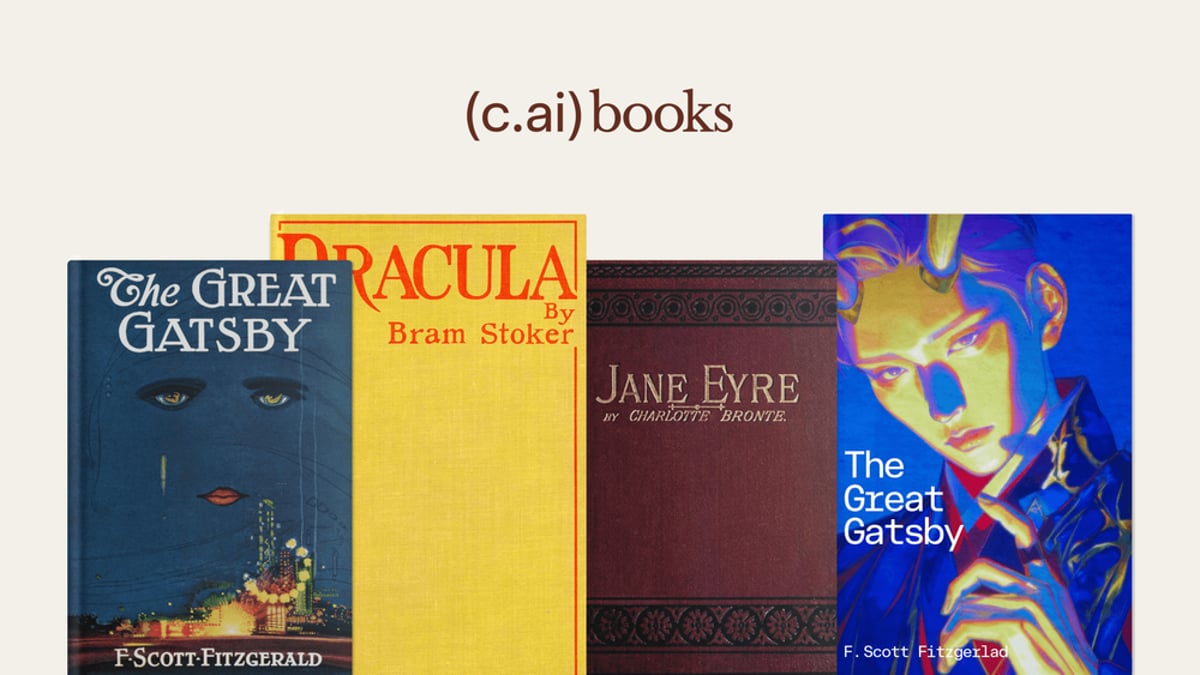
Character.AI is attempting a brand reset. The embattled AI chatbot company just launched Books mode, a new feature that lets users roleplay inside classic literature like Pride and Prejudice and Dracula. It's a sharp pivot from the platform's troubled reputation for chatbots that allegedly encouraged self-harm and violence among teenage users. With over 20 public domain titles from Project Gutenberg, the company's betting that structured literary experiences can rehabilitate its image and prove AI roleplay can be more than a legal liability.
Character.AI is stepping into the pages of classic literature, and the timing couldn't be more deliberate. The company announced Books mode this week, a new feature that transforms public domain classics into interactive AI roleplay experiences. Users can now insert themselves into the worlds of Alice in Wonderland, Pride and Prejudice, Dracula, and Frankenstein, among more than 20 titles sourced from Project Gutenberg.
But this isn't just a product launch. It's damage control wrapped in a literary package. Character.AI has spent months dodging lawsuits and public scrutiny over its core chatbot platform, which has been accused of encouraging violence, promoting self-harm, and romancing minors. The controversies have centered on teenage users who allegedly received harmful messages from AI characters, sparking legal action from parents and advocacy groups.
According to a blog post from Character.AI, Books mode represents a "more structured roleplaying experience" designed to show what AI interaction can be when it's anchored to established narratives rather than free-form chat. Instead of users creating or engaging with potentially dangerous custom characters, they're stepping into pre-existing literary worlds with defined plots and characters. It's AI roleplay with guardrails, essentially.
The catalog focuses exclusively on classics that have entered the public domain, which solves two problems at once. First, it sidesteps copyright complications that would come with modern titles. Second, it positions the platform as educational and culturally enriching rather than the Wild West of user-generated AI companions that got the company into trouble. Parents concerned about their teens chatting with AI boyfriends might feel differently about them exploring Victorian literature through interactive AI.
But the underlying technology remains largely the same. Users still interact through conversational AI that responds to their choices and dialogue, just now within the framework of established stories. Whether you're chatting with Elizabeth Bennet or Count Dracula, it's still Character.AI's language models powering the experience.
The company hasn't disclosed technical details about how Books mode differs from its standard chatbot infrastructure, or what additional safety measures might be in place. That silence is notable given the platform's ongoing legal troubles. Multiple lawsuits allege that Character.AI's systems failed to prevent harmful interactions, particularly with vulnerable teenage users.
This pivot to literary content follows broader industry trends around AI safety and responsible deployment. OpenAI, Google, and Meta have all faced scrutiny over their AI products' interactions with users, though Character.AI's youth-focused user base has made its controversies particularly acute. The company was acquired by Google in a talent deal last year, though it continues to operate independently.
The Books mode launch represents Character.AI's attempt to prove its technology has legitimate educational and entertainment applications beyond the controversial use cases that have dominated headlines. Whether parents, regulators, and users buy that narrative remains to be seen. The feature is available now to all Character.AI users through the platform's mobile and web interfaces.
What's less clear is whether this strategic shift will satisfy the company's critics or simply serve as a PR band-aid over deeper safety concerns. The lawsuits aren't going away, and adding classic literature to the platform doesn't address the fundamental questions about how AI chatbots interact with vulnerable users.
Character.AI's Books mode is a calculated bet that structured, literature-based AI experiences can rehabilitate a platform better known for controversial chatbot interactions. By anchoring users in familiar classics like Pride and Prejudice and Dracula, the company's trying to reframe AI roleplay as educational rather than risky. But launching a new feature doesn't resolve the lawsuits or address the deeper safety questions that have plagued the platform. For Character.AI, Books mode is both a product innovation and a reputation management strategy - whether it succeeds at either remains an open question as legal battles continue and parents remain wary of AI's influence on teenage users.