OpenAI just dropped a game-changer that'll reshape creative workflows forever. ChatGPT can now directly run Adobe Photoshop, Acrobat, and Express apps through simple conversational commands - no app switching required. Users can blur backgrounds, merge PDFs, or design social media graphics by just typing what they want, marking the biggest leap toward truly conversational creative tools since generative AI emerged.
Adobe just rewrote the rules of creative software integration. The company's three flagship apps - Photoshop, Acrobat, and Express - are now running natively inside ChatGPT, turning the AI chatbot into a comprehensive creative workstation that responds to plain English commands.
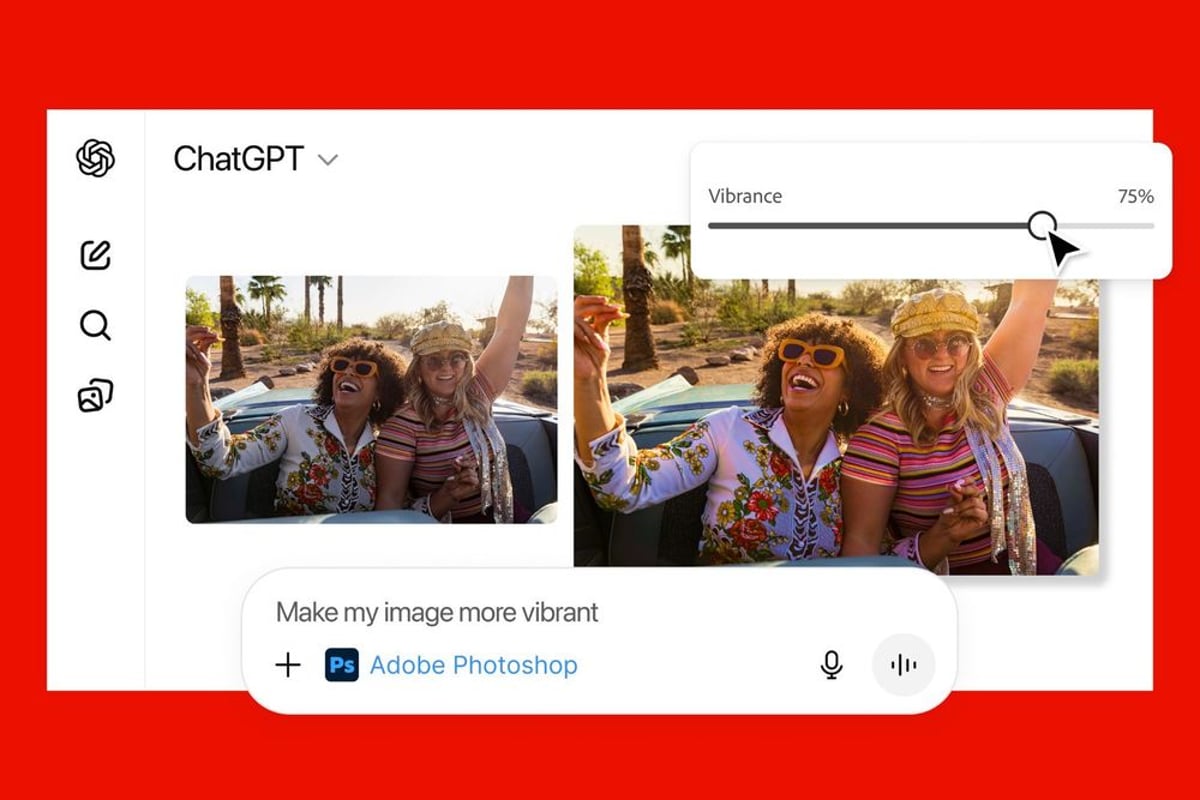
The integration works seamlessly. Users simply upload a file and type something like "Adobe Photoshop, help me blur the background of this image," and the app springs to life within the chat interface. What's clever is the persistent context - once you've mentioned an Adobe app, ChatGPT remembers which tool you're using throughout that conversation, eliminating the need to repeatedly specify the app name.
The features aren't just basic either. Adobe's Photoshop integration can edit specific image sections, apply creative effects, and adjust brightness, contrast, and exposure through intuitive sliders that appear right in the chat. Acrobat handles PDF editing, compression, text extraction, and file merging - essentially bringing enterprise document workflows into conversational AI. Express, meanwhile, generates and edits designs like posters, invitations, and social media graphics with full animation capabilities.
What makes this integration particularly smart is the handoff capability. If users want more granular control, they can seamlessly transfer their ChatGPT-started projects directly into Adobe's full desktop applications, picking up exactly where they left off. It's the best of both worlds - AI simplicity with professional-grade depth when needed.
The rollout is comprehensive too. All three apps are available globally across desktop, web, and iOS platforms today, with Adobe Express already supporting Android. Photoshop and Acrobat Android support is "coming soon," according to Adobe.
This move comes at a critical time in the AI creative tools arms race. Google's Gemini introduced its own image editing capabilities in May, while OpenAI had been building its app ecosystem since launching ChatGPT integrations in October. The timing also follows OpenAI disabling promotional messages for integrated apps last week after user complaints about ad-like behavior.
For Adobe, this represents a major step in its agentic AI strategy - making creative tools more conversational and accessible. By removing traditional skill barriers, the integration could democratize photo editing and design work that previously required extensive training.
The competitive implications are significant. While platforms like Canva have been available in ChatGPT since October, Adobe's integration brings professional-grade tools directly into the AI interface. This could accelerate the shift from traditional creative software licensing to AI-mediated workflows, potentially disrupting how creative professionals work.
The integration also signals a broader trend toward embedded AI experiences rather than standalone applications. Instead of switching between ChatGPT for ideation and Adobe for execution, users can now handle entire creative projects within a single conversational interface.
This integration marks a watershed moment for creative workflows, signaling the end of the era where AI and professional creative tools existed in separate silos. By embedding Adobe's industry-standard applications directly into ChatGPT, both companies are betting that conversational interfaces will become the primary way people interact with complex software. The implications extend far beyond convenience - this could fundamentally reshape how creative work gets done, making professional-grade design and editing accessible to anyone who can describe what they want. As the AI creative tools war intensifies, this partnership gives both OpenAI and Adobe a significant edge over competitors still treating AI as a separate add-on rather than the core interface itself.