CoreWeave's stock tumbled 16% Tuesday after CEO Mike Intrator wouldn't confirm whether Core Scientific caused the data center delays that just torpedoed the AI infrastructure company's full-year revenue guidance. The awkward dance around naming names sent both companies spiraling, with Core Scientific down 10% as investors connected the dots on delayed sites across Texas, Oklahoma and North Carolina.
CoreWeave CEO Mike Intrator looked increasingly uncomfortable Tuesday as CNBC's Jim Cramer pressed him on whether Core Scientific was behind the data center delays that just slashed the AI infrastructure company's revenue outlook. The CEO's refusal to name names didn't stop both stocks from cratering.
"Quite frankly, every single part of this quarter went exactly as we planned, except for one delay at a singular data center," Intrator told CNBC's "Squawk on the Street" Tuesday morning, before quickly correcting himself to say "singular data center provider."
Cramer wasn't buying the semantic games. "Some people might think it's one complex, but when I go over the numbers, we're talking about multiple places," he shot back. "And it just so happens that the places are all connected to an outfit called Core Scientific that you tried to buy."
The timing couldn't be worse for CoreWeave, which has been riding high on massive deals with Meta and OpenAI worth over $36 billion combined. The company reported solid Q3 results Monday evening - revenue jumped 134% to $1.36 billion - but then delivered the gut punch: 2025 revenue guidance now sits between $5.05 billion and $5.15 billion, well below Wall Street's $5.29 billion estimate.
The plot thickens when you consider the messy history between these companies. CoreWeave tried to acquire Core Scientific for $9 billion earlier this year, only to see shareholders reject the deal. Now they're stuck working together on infrastructure projects that are apparently falling behind schedule across multiple states.
During Monday's earnings call, JPMorgan analyst Mark Murphy directly asked if Core Scientific was the culprit, but Intrator deflected. At one point, he suggested just "one data center" was affected, contradicting his later admission about a "singular data center provider" handling multiple sites.
CFO Nitin Agrawal tried to clean up the messaging, referring to delays from "a single provider, data center provider partner." But the damage was done - investors weren't fooled by the corporate speak, and Core Scientific's 10% drop suggests the market has already made up its mind about who's responsible.
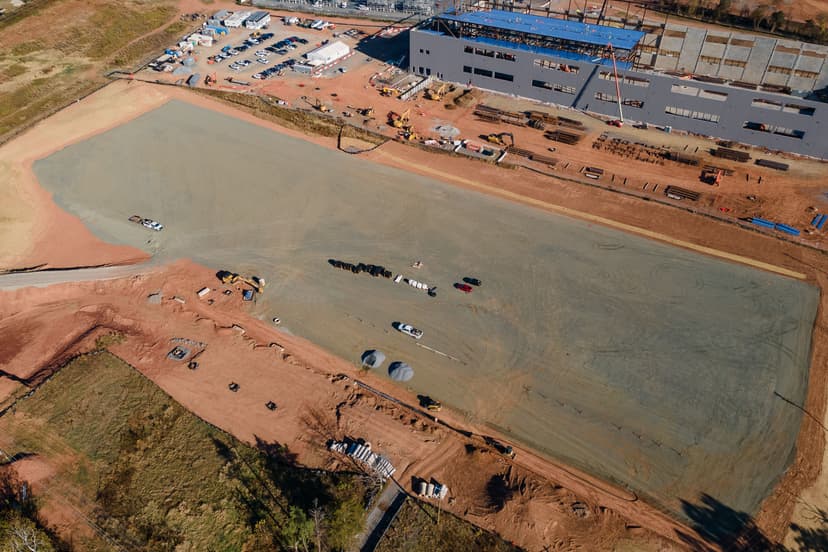
The infrastructure delays expose a crucial vulnerability in the AI boom. While companies like Nvidia grab headlines with chip innovations, the unglamorous business of actually building and powering data centers has become the real bottleneck. CoreWeave's entire business model depends on having reliable partners to house its GPU clusters, and when those partners stumble, the ripple effects hit immediately.
Intrator insisted his teams are "working every single day" with contractors and Core Scientific to get projects back on track. "CoreWeave responded by deploying our own boots on the ground to ensure that everything was being done in order to move those facilities along as quickly as possible," he explained.
But the market isn't waiting around. CoreWeave's stock has now given back much of its recent gains, reminding investors that even hot AI infrastructure plays aren't immune to old-fashioned operational hiccups. The company went public earlier this year amid massive hype around AI demand, but Tuesday's selloff shows how quickly sentiment can shift when execution falters.
The broader implications stretch beyond just these two companies. As hyperscale cloud providers and AI startups race to secure computing capacity, the industry's dependence on a relatively small number of data center operators creates systemic risks. When one major provider hits snags, it can cascade through multiple client relationships.
Core Scientific didn't respond to requests for comment, but their silence speaks volumes. The company's already had a rocky few years, including a bankruptcy filing in 2022 before restructuring. Getting back on solid footing meant landing big infrastructure deals, but if they can't execute reliably, clients like CoreWeave will look elsewhere.
The CoreWeave-Core Scientific saga reveals how quickly infrastructure bottlenecks can derail even the hottest AI plays. While Intrator's diplomatic non-answers might preserve business relationships, they didn't save either stock from investor punishment. As the AI infrastructure build-out accelerates, expect more of these execution stumbles to separate the companies that can scale reliably from those that promise big but deliver late. For CoreWeave, the real test isn't whether they can land billion-dollar contracts - it's whether their partners can actually build the data centers to fulfill them.