Nvidia just dropped €1 billion on Europe's AI sovereignty push. The chip giant inked a massive partnership with Deutsche Telekom to build an "AI factory" in Munich that promises to boost Germany's AI computing power by 50%. The deal signals Nvidia's aggressive expansion beyond U.S. borders as European regulators demand more local AI infrastructure.
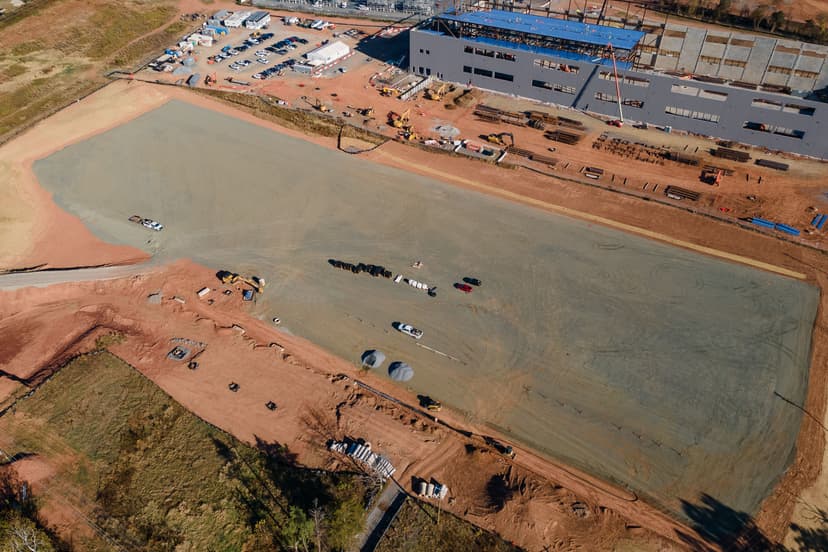
Nvidia is doubling down on its AI dominance with a €1 billion bet on European digital sovereignty. The chip powerhouse announced Tuesday it's partnering with German telecom giant Deutsche Telekom to build what they're calling an "AI factory" in Munich - a massive data center that could reshape Germany's AI landscape.
The numbers tell the story of Nvidia's ambitions. The facility, dubbed the "Industrial AI Cloud," will pack more than 1,000 Nvidia DGX B200 systems and RTX Pro Servers powered by up to 10,000 Blackwell GPUs. According to Deutsche Telekom's announcement, this infrastructure aims to boost Germany's AI computing power by a staggering 50%.
The partnership comes at a critical moment for European AI policy. The EU has been pushing hard for digital sovereignty, with tech industry leaders calling on lawmakers to reduce reliance on foreign infrastructure. At the same time, major tech companies have been criticizing the bloc's AI regulations, arguing they stifle innovation.
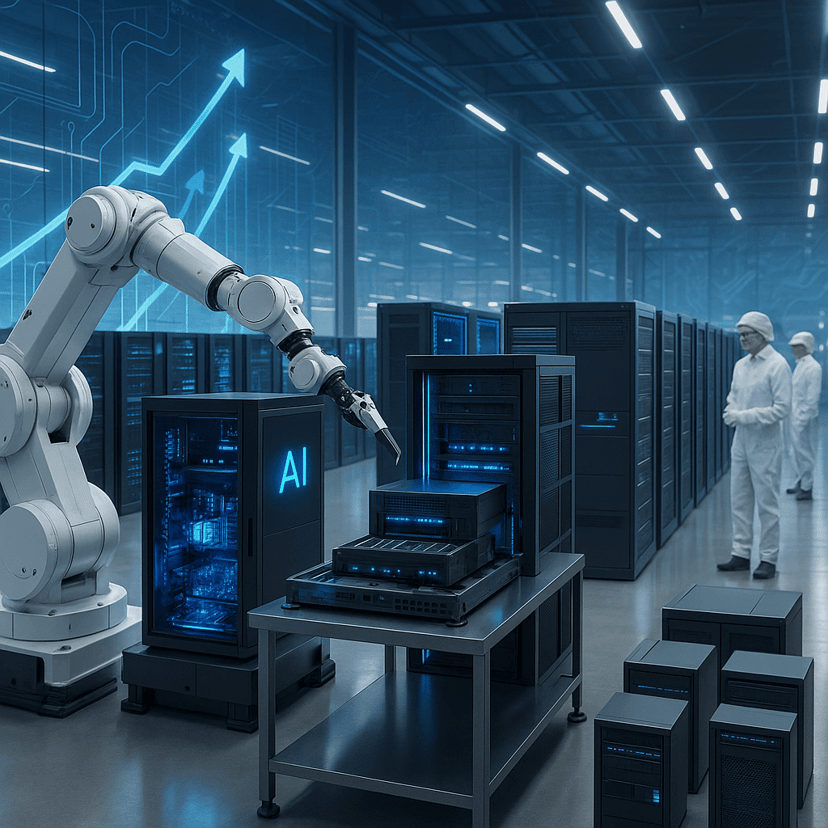
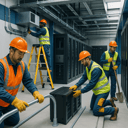
Early customers are already lining up. Perplexity will use the Munich facility to provide "in-country" AI inferencing to German users and companies, addressing data sovereignty concerns that have plagued U.S.-based AI services. Agile Robots is taking a more hands-on approach - their bots will actually install the server racks at the facility.
"Mechanical engineering and industry have made this country strong," Deutsche Telekom CEO Tim Höttges said in a statement. "But here, too, we are challenged. AI is a huge opportunity. It will help to improve our products and strengthen our European strengths."
The technical specs reveal Nvidia's confidence in European demand. The facility will focus on AI inferencing and other services for German companies while strictly complying with German data sovereignty laws. SAP is providing its Business Technology platform and applications, while Deutsche Telekom handles the physical infrastructure.
This isn't just about compliance - it's about market positioning. The EU earlier committed €200 billion to establish "AI gigafactories" across the continent, focusing on industrial and mission-critical applications. But European AI funding still lags far behind the U.S., where Microsoft, Google, and Oracle have poured hundreds of billions into data center infrastructure.
Nvidia's Munich project, set to begin operations in early 2026, runs separately from the EU's official gigafactory initiative. That timing gives the company a head start in capturing European enterprise demand before government-backed competitors come online.
The deal also highlights use cases beyond chatbots and consumer AI. Deutsche Telekom specifically mentioned digital twins and physics-based simulation for industrial companies - applications that could give German manufacturers an edge in automation and predictive maintenance.
For Nvidia, the partnership extends its reach into one of Europe's largest economies while addressing regulatory concerns that have slowed AI adoption. The company's war chest continues growing as it capitalizes on the AI boom, and this €1 billion commitment shows it's not just focused on Silicon Valley anymore.
Nvidia's €1 billion Munich bet represents more than just another data center deal - it's a strategic play for European AI dominance that addresses sovereignty concerns while positioning the company for the next phase of global AI expansion. As 2026 approaches and the facility comes online, this partnership could become the template for how U.S. tech giants navigate Europe's complex regulatory landscape while capturing enterprise demand. The real test will be whether this model of local infrastructure and compliance-first AI services can satisfy both European regulators and the growing appetite for industrial AI applications.