Southeast Asia's largest bank is sounding the alarm on Wall Street's AI obsession. DBS CEO Tan Su Shan warned investors to "buckle up" for continued market volatility, pointing to the dangerous concentration of trillions of dollars in just seven tech giants. Her comments come as global financial leaders predict a 10-20% market correction within two years, with AI valuations reaching unsustainable levels.
The head of Southeast Asia's financial powerhouse just delivered a stark warning that's echoing across trading floors worldwide. DBS CEO Tan Su Shan told CNBC investors should "buckle up" for persistent market turbulence, with her sights set squarely on the dangerous concentration gripping Wall Street.
"We've seen a lot of volatility in the markets. It could be equities, it could be rates, it could be foreign exchange," Tan said, adding that she expects the wild swings to continue. The banking veteran, who took over from longtime CEO Piyush Gupta just eight months ago, isn't mincing words about what's driving the instability.
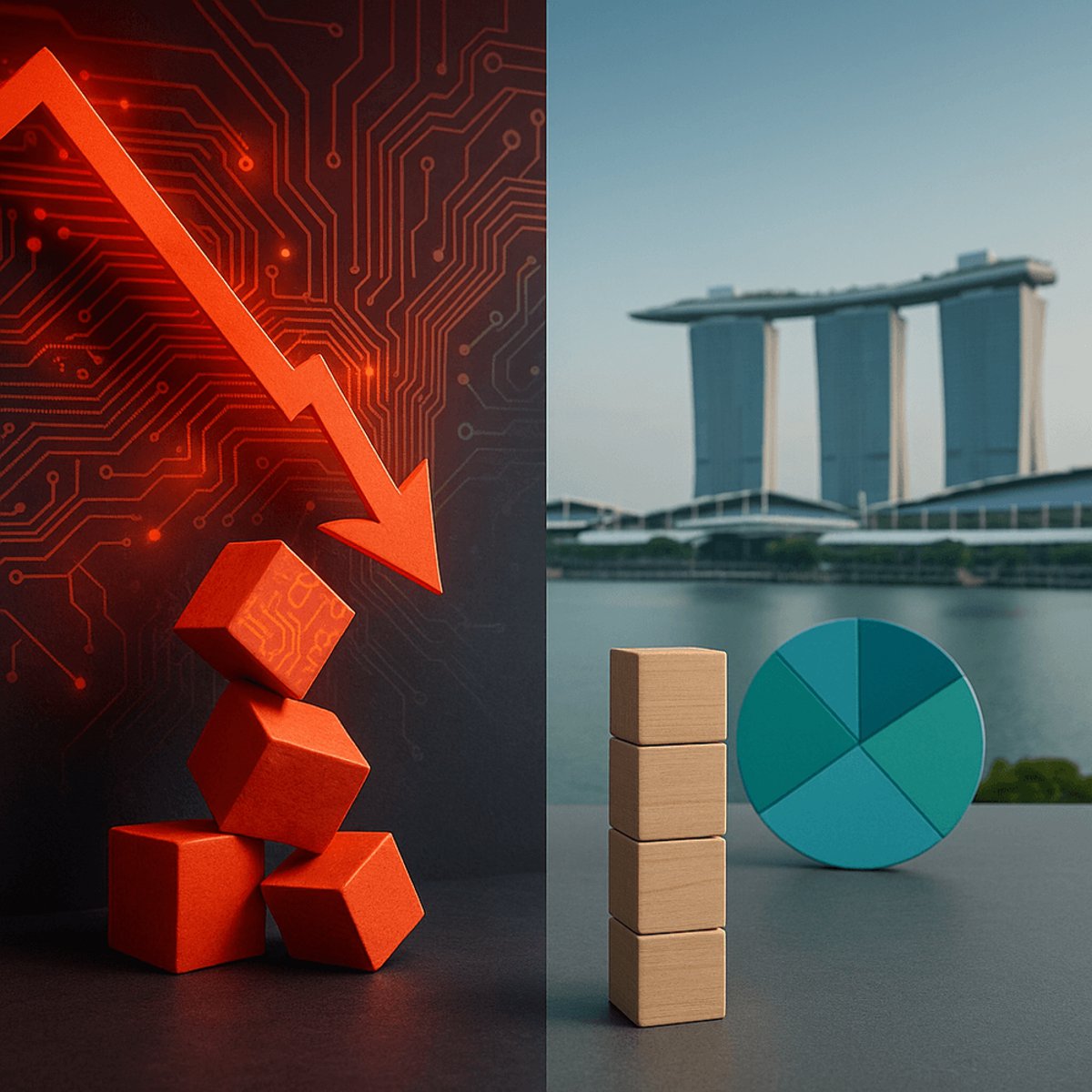
The culprit? What markets call the "Magnificent Seven" - Amazon, Google, Meta, Apple, Microsoft, Nvidia, and Tesla. These AI and tech darlings have captured trillions in market capitalization, creating a concentration risk that has global financial leaders on edge.
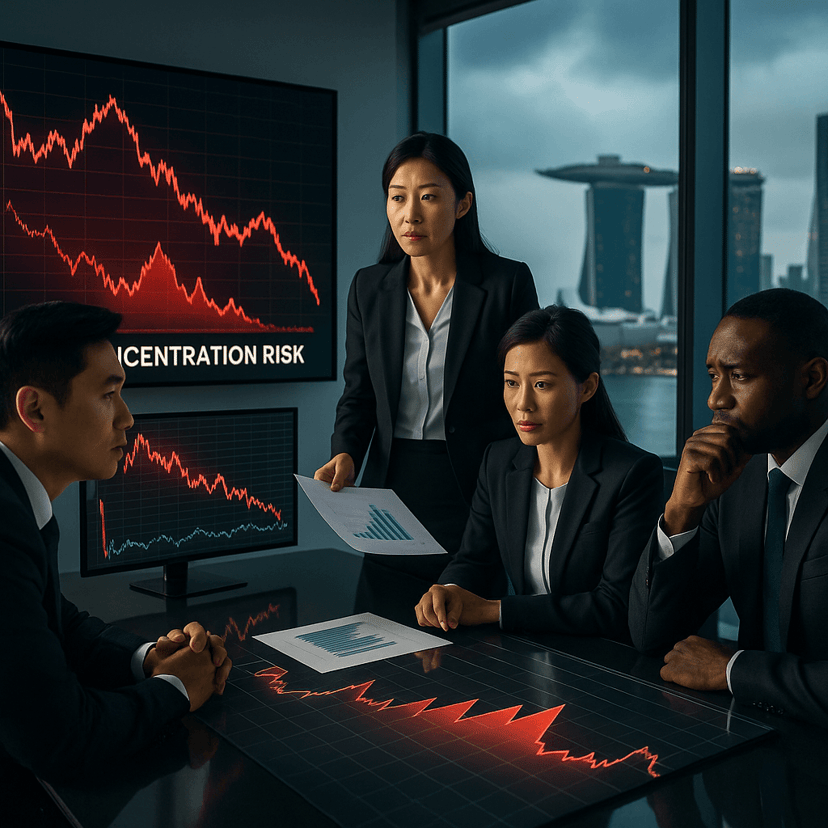
"You've got trillions of dollars tied up in seven stocks, for example," Tan explained during her CNBC interview. "So it's inevitable, with that kind of concentration, that there will be a worry about 'when will this bubble burst?'"
Her timing couldn't be more pointed. Just this week, Advanced Micro Devices and Palantir posted stronger-than-expected quarterly results yet saw their shares tumble alongside the broader Nasdaq. It's the kind of disconnect between fundamentals and market reaction that has seasoned bankers like Tan raising red flags.
The warning comes on the heels of similar alerts from heavyweight institutions. At the Global Financial Leaders' Investment Summit in Hong Kong, industry chiefs predicted a 10-20% market drawdown over the next 12 to 24 months. Morgan Stanley CEO Ted Pick called such pullbacks "healthy developments rather than signs of crisis" - a sentiment Tan echoed directly.
"Frankly, a correction will be healthy," she said, joining a chorus that includes Federal Reserve Chair Jerome Powell and the International Monetary Fund, all of whom have cautioned about inflated stock prices in recent months.
But Tan isn't just diagnosing problems - she's prescribing solutions. The 35-year banking veteran is pushing diversification as the antidote to America's AI fever dream. "Whether it's in your portfolio, in your supply chain, or in your demand distribution, just diversify," she advised.
That's where Singapore enters the picture. As DBS's home base and one of Asia's premier financial hubs, the city-state is positioning itself as what Tan calls a "diversifier market" for investors looking beyond Silicon Valley's grip.
"We've got rule of law. We're a transparent, open financial system and stable politically," Tan pitched Singapore's case. "We're a good place to invest... So I don't think we're a bad place to think about diversifying your investments."
The pitch comes as Singapore's central bank has been actively courting international investment, sensing an opportunity as U.S. valuations stretch beyond historical norms. For a region that's watched American tech stocks command outsized attention and capital allocation, it's a strategic moment to highlight alternatives.
What makes Tan's warning particularly noteworthy isn't just her bank's $800 billion in assets under management, but the timing. DBS operates at the intersection of Asian growth and global capital flows, giving her a front-row seat to how concentrated bets in Silicon Valley are creating ripple effects across international markets.
Tan's warning represents more than typical banking caution - it's a reality check on market dynamics that have global implications. As trillions remain concentrated in a handful of AI-driven stocks, the question isn't whether volatility will continue, but how severe the eventual correction will be. For investors, the message is clear: diversification isn't just smart portfolio management anymore, it's essential risk management in an increasingly concentrated market. Singapore's pitch as an alternative hub might just be arriving at the perfect moment.