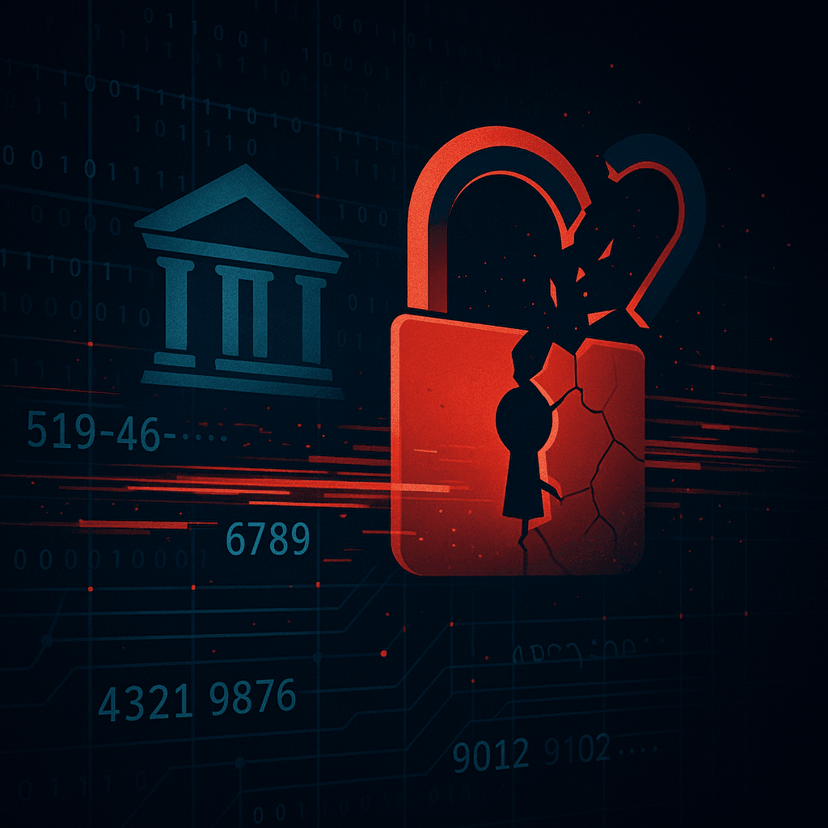
A ransomware attack on Discord's third-party customer service provider has exposed personal data from users who contacted support, including government ID photos from age verification appeals. The breach affects a limited number of users, but highlights growing risks around outsourced customer operations as hackers increasingly target the weakest links in tech companies' security chains.
Discord is scrambling to contain fallout from a security breach that exposed sensitive user data, including scanned government IDs, after hackers compromised one of its third-party customer service providers. The gaming-focused chat platform disclosed the incident late Thursday, revealing that an "unauthorized party" gained access to support tickets and attempted to extort the company for ransom payments.
The breach didn't touch Discord's main systems directly, but it hit something potentially more valuable - the treasure trove of personal information users share when they need help. According to Discord's official statement, the attackers accessed "information from a limited number of users who had contacted Discord through our Customer Support and/or Trust & Safety teams."
What makes this breach particularly concerning is the scope of exposed data. Beyond typical information like names, usernames, and email addresses, the hackers got their hands on the last four digits of credit card numbers and - most alarmingly - actual images of government-issued IDs. These ID photos came from users who had appealed Discord's age determination system, a process that requires uploading official identification documents.
Discord was quick to emphasize what the attackers didn't get. Full credit card numbers and passwords remained secure, the company said, likely because that sensitive financial data is stored separately from customer service systems. But the combination of personal identifiers and government documents creates a perfect storm for identity theft and social engineering attacks.
The incident exposes a growing vulnerability in how tech companies handle customer support. As platforms like Discord scale to hundreds of millions of users, many outsource support operations to specialized third-party providers who can handle volume at lower costs. But these vendors often become the weakest link in the security chain, with less robust protections than the main platforms they serve.
Discord moved swiftly once it discovered the breach. The company immediately revoked the compromised provider's access to its ticketing system and launched an internal security review. "We have reviewed our threat detection systems and security controls for third-party support providers," Discord noted, suggesting this incident will trigger broader changes to how it vets and monitors external vendors.
The gaming platform is now in full damage control mode, sending personalized emails to affected users. If your government ID was among the compromised documents, Discord promises to spell that out clearly in your notification. The company has also contacted data protection authorities and is working with law enforcement to track down the attackers.
For Discord's 200 million monthly users, this breach serves as a stark reminder about the data trails they leave behind. Every support ticket, every age verification appeal, every interaction with customer service creates a digital paper trail that becomes a target for cybercriminals. And when that data sits with a third-party provider, users have even less control over how it's protected.
The timing couldn't be worse for Discord, which has been pushing hard to expand beyond gaming into mainstream communication. The platform recently rolled out new features aimed at attracting business users and communities, but security incidents like this one make it harder to convince organizations to trust Discord with sensitive communications.
This breach also highlights the particular risks around age verification systems that many platforms now operate. As governments worldwide push tech companies to verify users' ages to comply with child safety laws, these systems become honeypots of identity documents. When hackers inevitably target them, the consequences extend far beyond typical data breaches into potential identity theft and fraud.
This Discord breach underscores a critical shift in how cybercriminals target tech companies - by going after their weakest links rather than their strongest defenses. For users, it's a wake-up call about the personal information they share during routine customer service interactions. For Discord and other platforms, it's a costly lesson about the security risks that come with outsourcing customer operations. As the company works to rebuild trust and strengthen its vendor oversight, users should expect more stringent security measures around support systems - and maybe think twice before uploading that government ID for age verification.