A bombshell Inspector General report released today reveals Defense Secretary Pete Hegseth potentially endangered military operations by sharing real-time strike details about Yemen attacks through consumer messaging app Signal. The 'Signalgate' scandal exposes a glaring gap in government cybersecurity protocols that a single policy change could have prevented.
The Pentagon just dropped a classified bombshell that reads like a cybersecurity nightmare. Defense Secretary Pete Hegseth used Signal to share real-time details about planned attacks on Houthi rebels in Yemen back in March, potentially putting American troops and military operations at risk. The Inspector General's report, released publicly today after being shared with Congress Tuesday, exposes how consumer messaging apps can become national security liabilities in the wrong hands.
What makes this particularly embarrassing? Then-national security adviser Michael Waltz accidentally invited Jeffrey Goldberg, The Atlantic's editor-in-chief, to the classified Signal chat. Goldberg later went public about his mistaken inclusion, creating a real-world demonstration of why DOD has strict communication protocols. According to the IG report, Hegseth was sharing "extremely specific information about the strike, including details like the timing of bomb drops" while messaging "We are currently clean on opsec" - referring to operations security.
The fix, surprisingly, isn't complicated. The Inspector General made just one direct recommendation: that US Central Command's Special Security Office review classification procedures and issue additional training "to ensure proper portion marking of classified information." That's it. No massive system overhauls, no new encryption protocols - just better training on what information requires classification and how to handle it properly.
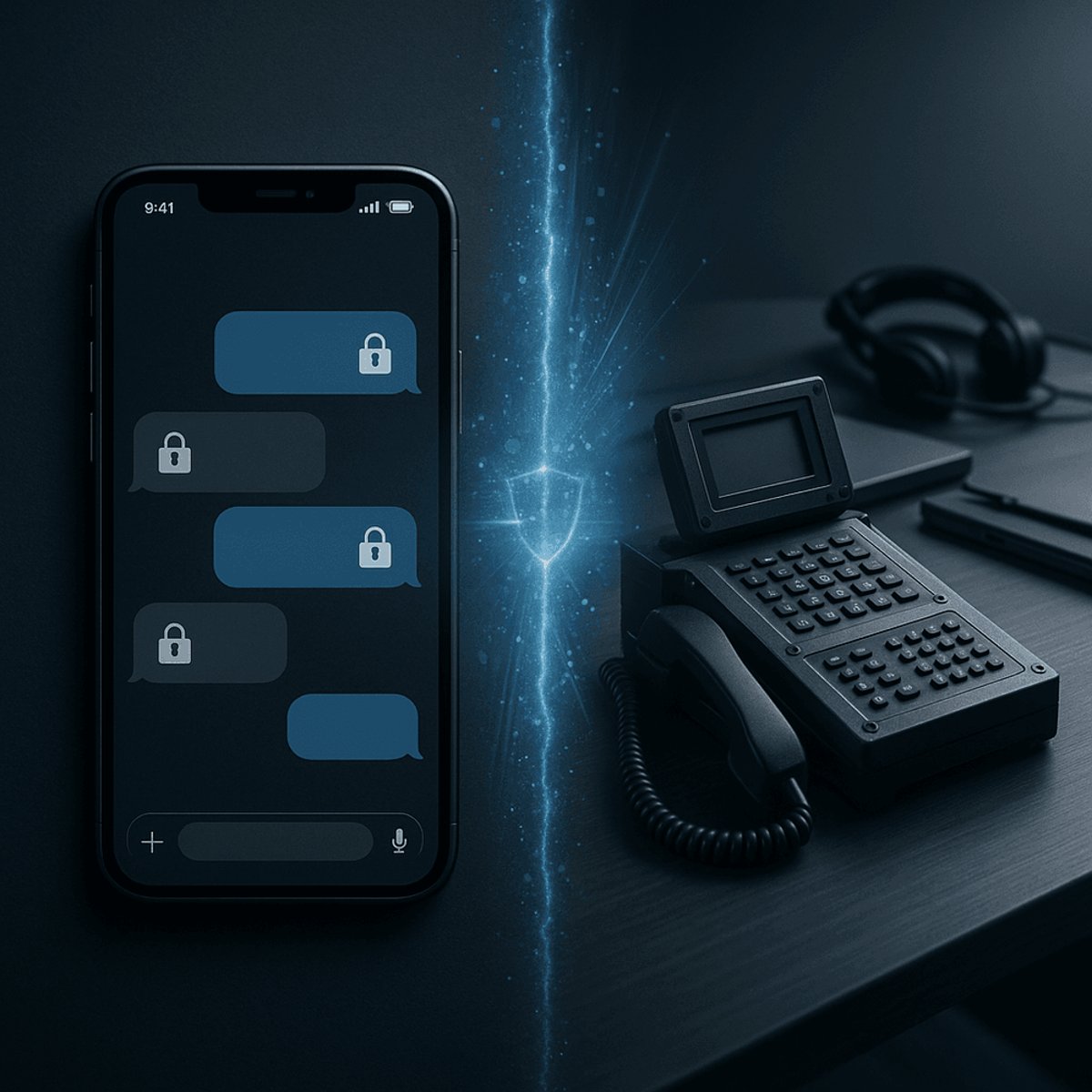
This highlights a fundamental misunderstanding about Signal's role in secure communications. While Signal represents the gold standard for consumer messaging with end-to-end encryption and minimal metadata collection, the app wasn't designed for high-stakes government operations. The platform encrypts messages so thoroughly that even Signal itself can't access them, making it excellent for personal privacy but potentially problematic when government oversight and accountability are required.
Hegseth, who holds ultimate classification authority in the DOD, declined to be interviewed for the report, submitting only a written statement. The IG concluded that while Hegseth determined the shared information didn't require classification, his use of Signal on a personal device violated DOD Instruction 8170.01, which explicitly prohibits using personal devices for official business and non-approved messaging applications for DOD information.
The broader implications extend beyond one official's messaging habits. Government agencies worldwide are grappling with the tension between secure communications and operational oversight. While platforms like Signal protect against external threats, they can create internal blind spots that compromise institutional security protocols.
What's particularly striking is how this incident unfolded in real-time, with a journalist accidentally witnessing classified communications as they happened. This kind of operational security failure would have been impossible with traditional government communication channels, which maintain strict access controls and audit trails.
The Pentagon's muted response - declining to comment to WIRED's request - suggests this investigation touched on sensitive operational details that extend beyond messaging protocols. The classified nature of the full report, shared only with Congress initially, indicates the security implications may be more significant than the public summary reveals.
The 'Signalgate' incident reveals how even the most secure consumer technologies can create unexpected vulnerabilities when misapplied in government contexts. While Signal's encryption makes it excellent for personal privacy, the Pentagon's simple fix - better classification training - addresses the real issue: human judgment in handling sensitive information. This case will likely influence how government agencies approach secure communications, balancing the benefits of encrypted messaging with the need for institutional oversight and accountability.