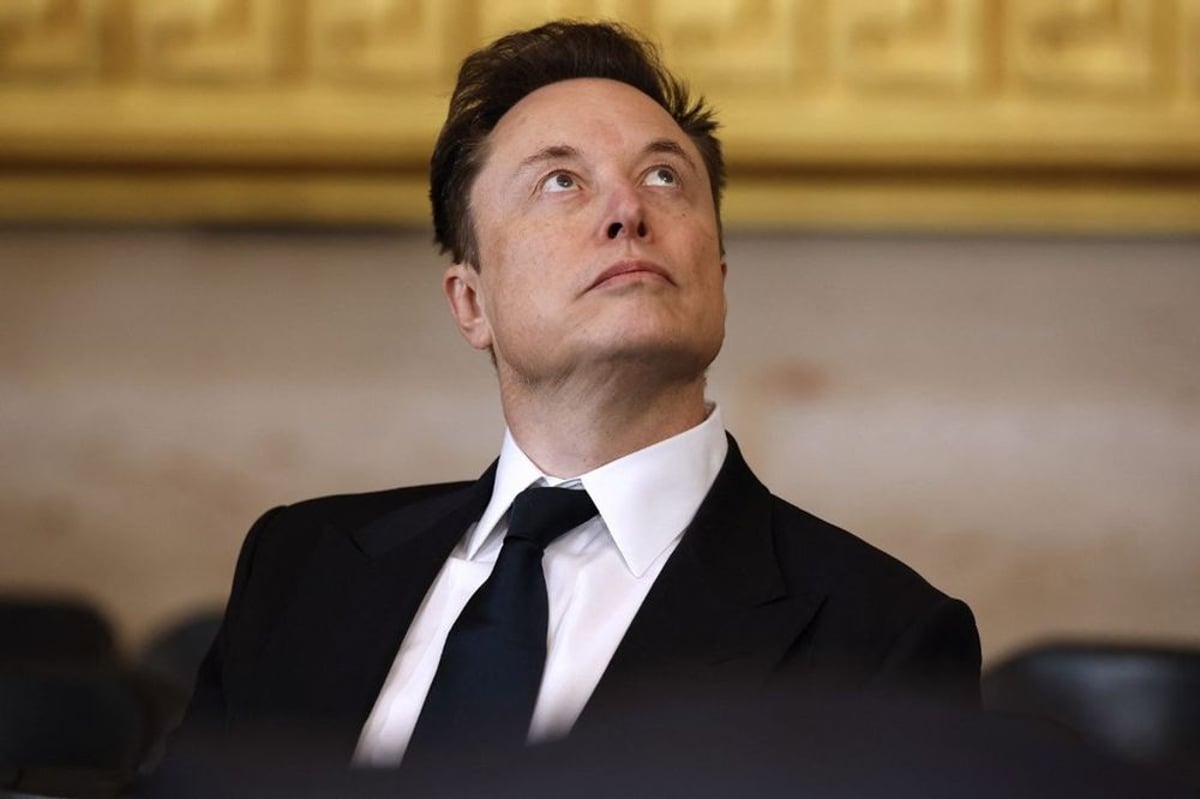
In San Francisco federal court this week, the hardest task has been finding nine people who do not arrive with an opinion about Elon Musk already fully formed.
Musk is set to face trial over claims that he manipulated Twitter’s stock during the chaotic $44 billion takeover of the company, now folded into X. Before the case even begins, jury selection has turned into a referendum on his public persona.
Judge Charles R. Breyer asked a simple question of more than 90 prospective jurors: can you put aside whatever you think about Musk, Tesla, Twitter, or the presidency and focus only on the evidence? More than a third said no. They were dismissed.
Others admitted they held sharply negative views but insisted they could still be fair. That did not sit well with Musk’s attorney, Stephen Broome, who argued that open hostility toward a defendant would normally be grounds for removal. Judge Breyer countered that public figures generate strong reactions by definition. The legal standard is not neutrality of feeling. It is neutrality of judgment.
Politics looms in the background. Musk’s close ties to Donald Trump, including massive campaign donations and his leadership role in the administration’s Department of Government Efficiency, surfaced repeatedly during questioning. The judge reminded jurors that whatever they think about the White House has no bearing on a securities case.
At issue are Musk’s 2022 tweets claiming the Twitter deal was “on hold” over concerns that spam accounts exceeded the company’s stated five percent figure. The stock fell sharply after the posts. Plaintiffs say the statements were misleading and moved the market in Musk’s favor.
The trial will run with nine jurors and no alternates.