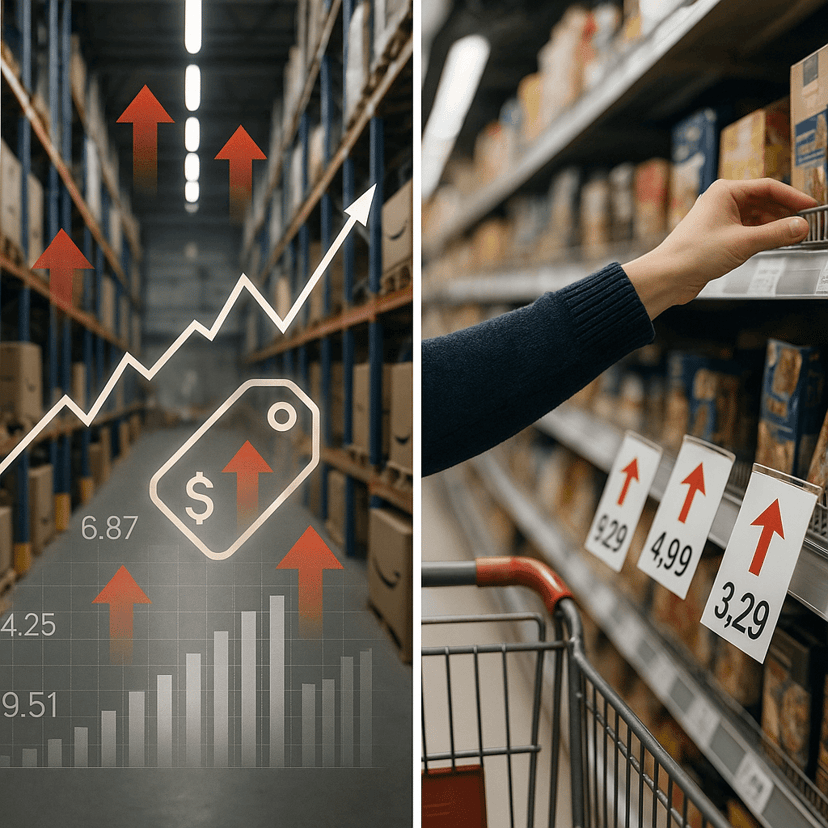
Amazon's dynamic pricing algorithm is wreaking havoc on school budgets nationwide, with districts paying 17% more for basic supplies compared to traditional procurement contracts. A damning new report reveals how the same pack of Sharpie markers cost one Colorado district three times more than a neighboring city paid on the identical day, exposing the hidden costs of algorithmic pricing in public sector purchasing.
Amazon's business empire just got caught squeezing America's schools. The tech giant's dynamic pricing algorithms are driving up costs for basic classroom supplies by an average of 17%, hitting cash-strapped districts where it hurts most, according to explosive new research from the Institute for Local Self-Reliance.
The price manipulation is brazen. On the same December day in Colorado, an employee from Boulder's city government bought a 12-pack of Sharpie markers for $8.99 through Amazon Business. Just miles away, Denver Public Schools paid $28.63 for the identical product - a staggering 218% markup that no human negotiator would ever accept.
That's not an outlier. The ILSR report documents similar price swings across classroom staples - Crayola markers, Kleenex tissues, Expo dry erase markers, and Elmer's glue all subject to Amazon's algorithmic whims. "Among the 100 most frequently ordered products, the highest prices Amazon charged were, on average, 136 percent higher than the lowest," researchers found after analyzing thousands of transactions.
The pricing chaos stems from Amazon Business abandoning the traditional procurement model that protected schools for decades. Where districts once negotiated fixed-price contracts with local suppliers who competed on transparent bids, Amazon's platform offers no price guarantees. Instead, its black-box algorithm adjusts costs in real-time based on demand patterns, purchase frequency, and other opaque factors.
This isn't just about overpriced markers. School administrators told ILSR they're seeing their carefully planned budgets blown apart by unexpected price spikes mid-semester. One district reported spending an extra $50,000 on office supplies after Amazon's algorithm decided their frequent orders triggered premium pricing tiers.
The market dominance makes it worse. Amazon Business has systematically eliminated competition, with the number of independent school suppliers dropping from 1,300 to 900 over the past decade. That consolidation gives Amazon unprecedented leverage to extract maximum prices from captive government buyers.
Yet when researchers compared current Amazon pricing to remaining independent suppliers, the results were stark. Local vendors beat Amazon's prices on 68% of commonly purchased school supplies, often by significant margins. The difference? Those suppliers still operate on traditional contract terms with predictable, negotiated rates.
Amazon maintains its platform delivers value, pointing to a company-funded study showing 14% lower prices compared to 23 major retailers. But that analysis deliberately excludes the bulk discounts and contract pricing that independent suppliers offer government clients - exactly what schools are losing by switching to Amazon's volatile marketplace.
The transparency problem runs deeper than pricing. ILSR researchers found Amazon refuses to explain how its pricing algorithm works or what triggers different rates for different buyers. School procurement officers - who are legally required to demonstrate they're getting taxpayers the best deals - can't audit or validate Amazon's pricing decisions.
Some districts are already pushing back. Philadelphia's school system recently pulled back from Amazon Business after budget overruns, while Austin's district is piloting a return to traditional supplier relationships. But for thousands of smaller districts lacking procurement expertise, Amazon's convenience still outweighs the hidden costs.
The timing couldn't be worse for America's schools. With federal pandemic aid expiring and state budgets tightening, every dollar matters more than ever. When algorithmic pricing can triple the cost of basic supplies overnight, it's not just inefficient - it's actively undermining public education funding.
Amazon's dynamic pricing experiment on America's schools reveals the hidden costs of algorithmic commerce in public sector procurement. While the company optimizes for maximum revenue extraction, school districts face budget chaos and reduced transparency. As more districts recognize these unsustainable cost increases, expect a broader reckoning over whether convenience justifies the premium - and whether taxpayers should subsidize Amazon's pricing algorithms at their children's expense.