Microsoft just transformed Excel into an AI powerhouse. The tech giant launched a new COPILOT function that lets users prompt AI to automatically fill, classify, and analyze spreadsheet data using natural language commands. This puts Microsoft head-to-head with Google Sheets' similar AI capabilities while deepening its partnership with OpenAI.
Microsoft is making its biggest Excel play in years, and it's all about AI. The company just launched a game-changing COPILOT function that transforms how millions of users interact with spreadsheets, putting artificial intelligence directly into formula bars. The move arrives just months after Google rolled out similar capabilities in Sheets, setting up a heated battle for the future of productivity software.
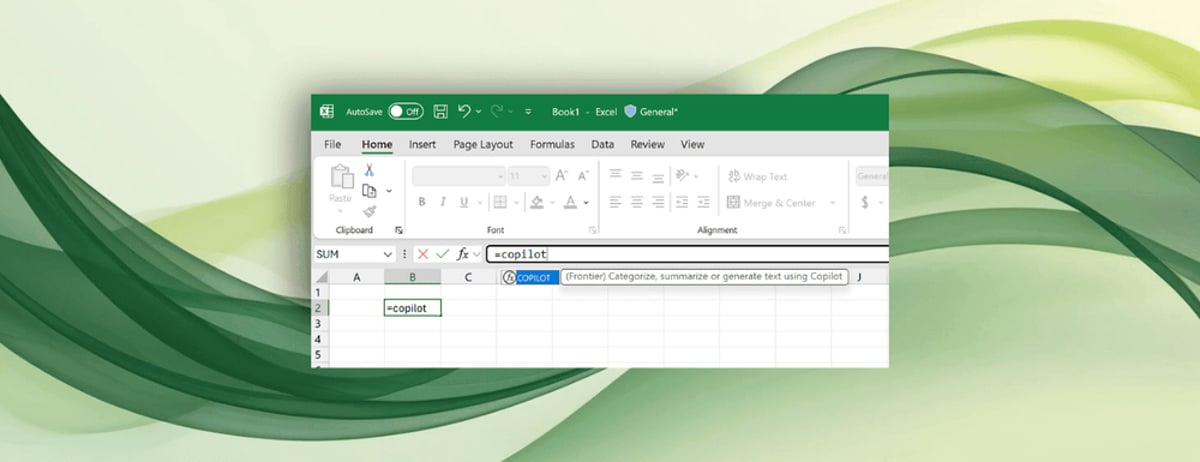
The timing couldn't be more strategic. According to Microsoft's announcement, the COPILOT function lets users type natural language prompts like "=COPILOT('Classify this feedback', D4:D18)" to automatically analyze and categorize data across specified cells. The AI then generates classifications, summaries, product descriptions, and more - all powered by OpenAI's GPT-4.1-mini model.
This represents a massive evolution from Microsoft's experimental LABS.GENERATIVEAI function that the company started testing back in 2023. "You can combine its new AI function with other Excel functions, including IF, SWITCH, LAMBDA, or WRAPROWS," Microsoft notes, revealing how deeply integrated this AI capability becomes within Excel's existing ecosystem.
The competitive implications are immediate. Google Sheets launched its own AI cell-filling feature in June, but Microsoft's approach appears more comprehensive, offering formula combinations and enterprise-grade privacy protections. "Information sent through Excel's COPILOT function is 'never' used for AI training," Microsoft emphasizes, addressing a key concern for corporate users handling sensitive data.
Yet Microsoft is being surprisingly transparent about limitations. The function caps usage at 100 calculations every 10 minutes and explicitly warns against using it for "numerical calculations or in high-stakes scenarios with legal, regulatory, and compliance implications," since COPILOT "can give incorrect responses." This cautious messaging reflects growing enterprise scrutiny around AI accuracy in business-critical applications.
The rollout strategy reveals Microsoft's enterprise-first priorities. Currently available only to Windows and Mac users in the Beta Channel with a Microsoft 365 Copilot license, the feature targets power users willing to pay premium subscription fees. This mirrors how Microsoft has positioned its broader Copilot suite - as a differentiator for high-value business customers rather than a mass-market play.
Industry observers see this as Microsoft doubling down on its OpenAI partnership while pressuring competitors across the productivity software landscape. Notion, Airtable, and other workflow platforms have all rushed to integrate AI capabilities, but none have the installed base of Excel's estimated 750 million users worldwide.
"Microsoft plans on refining this feature in the future by upgrading the function's underlying model and potentially adding support for web access," the company stated, signaling this is just the beginning of Excel's AI transformation. The web access addition could be particularly significant, allowing the AI to pull real-time data from external sources - a capability that would leapfrog current limitations.
Microsoft's COPILOT function represents more than just another AI feature - it's a strategic move to cement Excel's dominance in an increasingly competitive productivity landscape. While current limitations around accuracy and usage caps suggest this remains early-stage technology, the integration with OpenAI's models and promise of future enhancements signal Microsoft's commitment to AI-first business tools. For enterprise users already invested in the Microsoft 365 ecosystem, COPILOT offers a compelling reason to deepen that relationship. The bigger question is whether Google and other competitors can match both the technical capabilities and enterprise trust that Microsoft is building around AI-powered productivity.