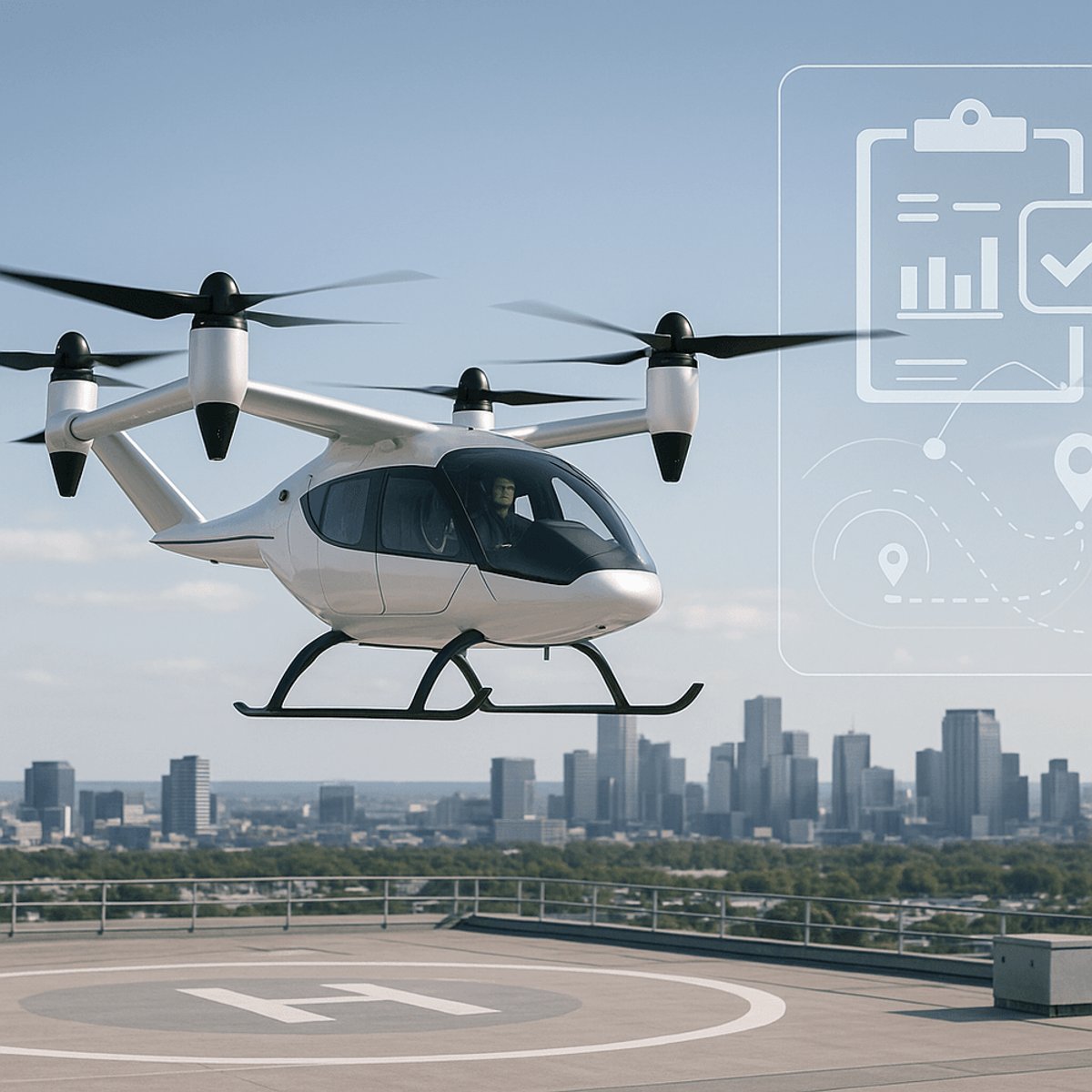
The federal government just handed the electric air taxi industry its biggest regulatory win yet. Eight proposals to test electric vertical takeoff and landing aircraft have been approved across 26 states, clearing the runway for companies like Archer Aviation and Joby Aviation to prove their flying taxis can work in real-world conditions. This marks a pivotal shift from prototype demonstrations to actual operational testing, potentially bringing sci-fi transportation closer to everyday reality.
The Urban Air Mobility revolution just got federal clearance for takeoff. In a move that could reshape how Americans think about transportation, the government has selected eight proposals to conduct electric aircraft testing across 26 states, giving the nascent eVTOL industry its most significant regulatory endorsement to date.
Archer Aviation and Joby Aviation, the two highest-profile players in the electric air taxi race, are among the companies expected to benefit from this approval. Both have spent years burning through cash while navigating the FAA's rigorous certification process. This testing framework represents a crucial bridge between controlled demonstrations and actual commercial operations.
The scale of the approval is telling. Twenty-six states means diverse operating environments - from dense urban corridors to sprawling suburban landscapes - giving these companies the data they need to prove their aircraft can handle real-world conditions. It's one thing to fly a prototype around a test facility in California; it's another to operate in varying weather, across different altitudes, and near existing air traffic patterns.
Beta Technologies, which has taken a quieter approach than its West Coast rivals, also stands to gain. The Vermont-based company has focused on cargo applications and emergency medical services rather than the consumer air taxi vision that dominates headlines. The multi-state approval suggests federal regulators see value in testing multiple use cases simultaneously.
The timing couldn't be more critical for an industry that's faced mounting skepticism from investors. eVTOL companies have collectively raised billions but haven't generated meaningful revenue. Archer and Joby have both gone public via SPAC mergers, and their stocks have been volatile as the market waits for proof that flying taxis aren't just expensive science experiments.
This federal blessing changes the narrative. It signals that regulators believe the technology has matured beyond the experimental phase. The FAA doesn't hand out multi-state testing approvals lightly - these companies have clearly demonstrated enough safety and reliability to warrant expanded operations.
But approval to test isn't the same as approval to operate commercially. These programs will be heavily monitored, with strict protocols around everything from pilot training to maintenance procedures. Any serious incident could set the entire industry back years. The companies know they're not just testing aircraft - they're testing public confidence in a completely new form of transportation.
The competitive dynamics are also shifting. While Archer has partnered with United Airlines and Joby has backing from Toyota and a deal with Delta, the real race is now about who can generate operational data fastest. The company that proves its aircraft can maintain reliability across thousands of flights in varying conditions will have a massive advantage when commercial certification arrives.
There's also the infrastructure question. Electric air taxis need vertiports - specialized landing pads with charging capabilities. Some states in this 26-state framework have been more proactive than others about developing this infrastructure. The testing phase will reveal which regions are genuinely ready for urban air mobility and which are still years away.
For Beta Technologies, this could validate its strategy of starting with cargo and medical transport rather than passengers. Moving packages and medical supplies faces less regulatory scrutiny than putting civilians in pilotless aircraft. If Beta can prove reliable operations first, it might leapfrog competitors when passenger certification eventually arrives.
The market is watching closely. eVTOL stocks have been punished for overpromising and underdelivering. This federal approval offers something the sector desperately needs - tangible progress. But it also raises the stakes. If these 26-state tests reveal fundamental operational challenges, the entire urban air mobility thesis could unravel.
What happens in the next 12-18 months will determine whether electric air taxis become a real transportation option or remain an expensive curiosity. The federal government just said it's willing to find out.
The federal government's decision to approve electric aircraft testing across 26 states is the clearest signal yet that urban air mobility is transitioning from concept to reality. For Archer, Joby, and Beta, this represents both an enormous opportunity and a high-stakes test - they need to prove their aircraft can deliver on years of promises. The next phase isn't about flashy demonstrations or celebrity endorsements. It's about boring reliability, operational data, and proving that electric air taxis can work as actual transportation rather than expensive science projects. The industry just got its shot to prove the skeptics wrong.