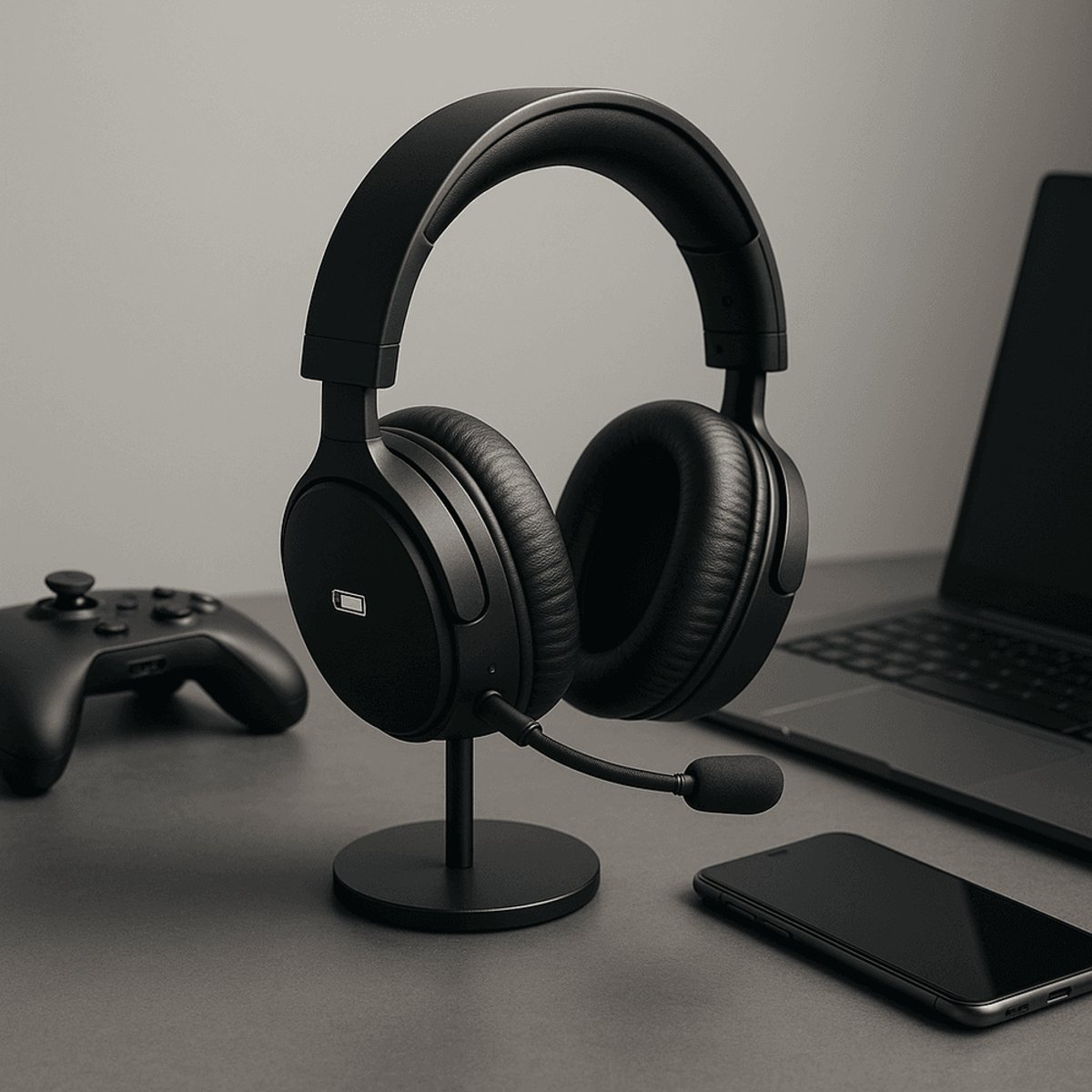
Gaming hardware makers are pushing new boundaries in 2025 with headsets that prioritize extreme battery life and cross-platform compatibility. The latest roundup of gaming headsets shows manufacturers focusing less on flashy RGB and more on practical features like 300+ hour battery life and seamless console switching. This shift reflects the gaming industry's maturation as players demand professional-grade audio without the gamer aesthetic.
The gaming headset landscape is experiencing its biggest transformation in years, with manufacturers moving away from RGB-heavy designs toward practical, professional-grade audio solutions. The shift becomes clear when examining this year's standout performers, led by products that prioritize battery endurance and universal compatibility over flashy aesthetics.
HyperX has set a new industry benchmark with its Cloud Alpha Wireless headset, achieving what seemed impossible just two years ago. The device delivers 325 hours of continuous usage on a single charge - more than 10 times the industry standard. This achievement was so remarkable that iFixit conducted a full teardown to understand the engineering behind it.
"Most gaming headsets offer 30 hours of battery life. This one is rated for 300 hours," according to testing by WIRED's review team. The breakthrough represents a fundamental shift in power management that could influence the entire consumer electronics industry.
SteelSeries has taken a different approach, focusing on ecosystem compatibility with its Arctis Nova line. The Nova 3P Wireless works seamlessly across PlayStation, Xbox, Nintendo Switch, and PC platforms through a single USB-C dongle. This universal approach addresses a long-standing pain point for gamers who own multiple consoles.
The company's premium Nova Pro Wireless pushes features even further, including a desktop DAC with built-in display and dual swappable batteries. When one battery runs low, users can charge the spare inside the DAC while continuing to play - effectively eliminating downtime.
"The wireless version comes with two batteries, each providing around 25 hours on a full charge," explains the technical documentation. This system ensures continuous operation for competitive players who can't afford interruptions during extended gaming sessions.
Perhaps the most surprising trend is the emergence of gaming earbuds as legitimate alternatives to traditional over-ear designs. SteelSeries' Arctis GameBuds scored a rare 9/10 rating from reviewers, challenging assumptions about form factor limitations in gaming audio.
The earbuds deliver game-specific audio profiles through the SteelSeries app, allowing users to optimize sound for different genres. While battery life remains shorter at 10 hours per charge, the 40-hour case capacity and portability appeal to mobile gaming and everyday use.
First-party console makers are also evolving their approaches. Microsoft's Xbox Wireless Headset emphasizes simplicity with direct console pairing and large volume knobs for quick adjustments. Sony's Pulse Elite for PlayStation 5 uses planar magnetic drivers and includes a wireless charging hanger that maintains battery levels through contact points.
The premium segment shows increasing sophistication in audio processing. Razer's BlackShark V3 Pro combines active noise canceling with THX Spatial Audio, while maintaining microphone quality that impressed veteran reviewers. "It's the first time friends have commented unprompted on my microphone quality without using a stand-alone USB or XLR mic," noted one extended review.
Budget options haven't been forgotten in this evolution. Logitech's G321 Lightspeed delivers wireless connectivity and memory foam comfort for under $60, proving that advanced features can reach mainstream price points.
The industry's technical progress reflects broader changes in gaming culture. As esports professionalization accelerates and remote work normalizes gaming hardware in professional settings, manufacturers must balance performance with aesthetics suitable for video calls and office environments.
Traditional gaming markers like RGB lighting and aggressive styling are giving way to clean, minimalist designs that work equally well for gaming sessions and Zoom meetings. This aesthetic shift mirrors similar transformations in gaming keyboards and mice as the gaming hardware market matures.
Connectivity standards are also stabilizing around 2.4GHz wireless dongles for low-latency gaming, with Bluetooth reserved for mobile device pairing. Most premium headsets now support multiple simultaneous connections, allowing users to receive phone calls while gaming or switch between devices without re-pairing.
The gaming headset market's 2025 evolution represents more than incremental improvements - it signals the industry's transition from niche gaming peripherals to mainstream audio solutions. With battery life measured in days rather than hours, universal compatibility across gaming platforms, and designs suitable for professional environments, these headsets reflect gaming's integration into daily digital life. As manufacturers continue prioritizing practical innovation over flashy aesthetics, consumers benefit from more reliable, versatile, and long-lasting audio solutions that work as well in conference rooms as they do in gaming setups.