Google just rewrote the Android playbook. The company rolled out Android 16 with AI-powered notification summaries that turn messy group chats into clean overviews, while ditching its traditional yearly update cycle for more frequent releases. Pixel users get first dibs on features that could reshape how we interact with our phones daily.
Google just flipped the script on Android updates. The tech giant announced Android 16 on Tuesday, bringing AI-powered notification summaries that automatically condense lengthy group chats and messages into digestible overviews. But the bigger story? Google's abandoning its traditional once-a-year update schedule for more frequent feature drops.
The shift marks a fundamental change in how the world's most popular mobile operating system evolves. Instead of waiting months for new capabilities, Android users will see regular improvements flowing to their devices throughout the year. Pixel owners are getting the first taste, with Android 16 rolling out starting Tuesday.
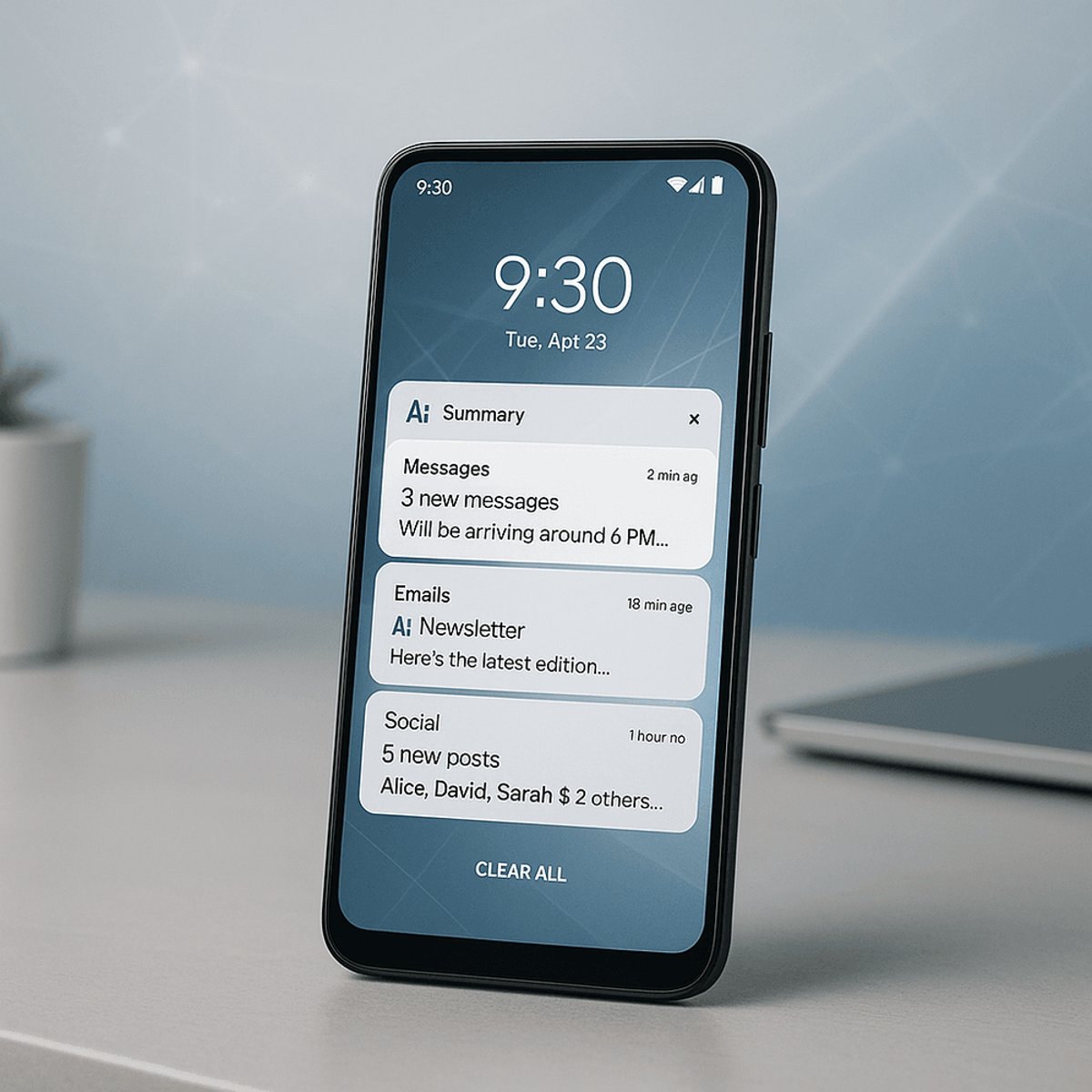
The headline feature tackles notification chaos head-on. Android 16's AI notification summaries use machine learning to parse through cluttered message threads and deliver quick, scannable overviews. A companion "Notification organizer" automatically sorts and silences lower-priority alerts like promotional messages, news updates, and social media pings - essentially creating a VIP lane for what actually matters.
Google isn't stopping at notifications. The update introduces deeper customization options, including custom icon shapes, themed icons, and automatic dark mode for apps that don't natively support it. Parents get new controls within Android Settings to manage their children's screen time, set downtime schedules, and monitor app usage.
The company's also rolling out broader Android features that aren't tied to version 16. "Call Reason" lets users flag calls to contacts as urgent, ensuring time-sensitive communications break through the noise. "Expressive Captions" add emotional context tags like [sad] or [joyful] to video content, helping users understand tone when audio's off.
Google's Circle to Search feature gains scam detection capabilities. Users can now analyze suspicious messages using the gesture-based search tool, with AI providing instant feedback on whether content appears fraudulent. It's a direct response to rising mobile phishing attempts that target Android's massive user base.
Accessibility improvements showcase Google's broader AI integration strategy. Smart Dictation with Gemini now supports natural language editing commands like "replace Monday with Tuesday" or "make it shorter." The Pixel camera's Guided Frame feature provides richer descriptions for visually impaired users, moving beyond basic face detection to detailed scene descriptions.
Voice Access users no longer need to physically interact with their devices to begin hands-free control. A simple "Hey Google, start Voice Access" activates the feature, removing another friction point for users with mobility challenges.
The timing aligns with Google's broader push to integrate AI across its product ecosystem. These Android 16 features mirror capabilities already deployed in Gmail's Smart Compose and Google Photos' automatic organization. The company's betting that AI-powered assistance will differentiate Android from Apple's iOS in an increasingly competitive mobile landscape.
Fast Pair support for hearing aids, starting with Denmark's Demant brands including Oticon and Bernafon, signals Google's commitment to accessibility hardware integration. It's a market Apple's dominated with AirPods Pro hearing aid features, but Android's open ecosystem could accelerate adoption across more device manufacturers.
This frequent update model resembles Google's Chrome browser strategy, where features arrive continuously rather than in major version bumps. The approach could help Android compete more effectively with iOS updates, which traditionally generated more user excitement due to their consolidated annual releases.
Google's Android 16 represents more than just another software update - it's a strategic shift toward AI-first mobile experiences and continuous feature delivery. By moving away from annual release cycles, Google can respond faster to user needs and competitive pressures from Apple. The real test will be whether this new cadence maintains quality while delivering the innovation Android users expect. For now, Pixel owners get to preview the future of mobile AI integration.