Google just gave its troubled Home app the makeover it desperately needed. The tech giant unveiled a complete redesign featuring Gemini AI integration, 70% faster startup times, and 80% fewer crashes - finally addressing years of user complaints about the smart home control center that manages over 800 million connected devices.
Google isn't sugar-coating it anymore. After years of user frustration, the company's admitting its Home app has been a mess - and now it's doing something about it. The complete overhaul rolling out today represents the biggest shakeup to Google's smart home strategy since it acquired Nest back in 2014.
"I want to be very direct, the Google Home app has not been the experience that we've always wanted it to be," Anish Kattukaran, Chief Product Officer at Google Home and Nest, told reporters during a briefing ahead of today's announcement. That brutal honesty sets the tone for what Google's calling its most significant smart home update in years.
The numbers tell the story of just how broken things were. Over the past year alone, Google shipped more than 100 performance updates trying to fix the app that now manages over 800 million devices from 50,000-plus manufacturers. The latest overhaul delivers 70% faster startup times and slashes crashes by 80% - improvements that should have happened years ago.
But performance fixes are just the foundation. The real news is how Google is weaving its Gemini AI throughout the entire smart home experience, turning what was once a clunky device manager into something approaching an intelligent home assistant.
The redesigned app strips away complexity with just three main tabs: Home, Activity, and Automation. It's a dramatic simplification from the previous interface that often left users hunting through menus. New gesture controls let you swipe between device views and camera feeds, borrowing familiar patterns from apps like YouTube.
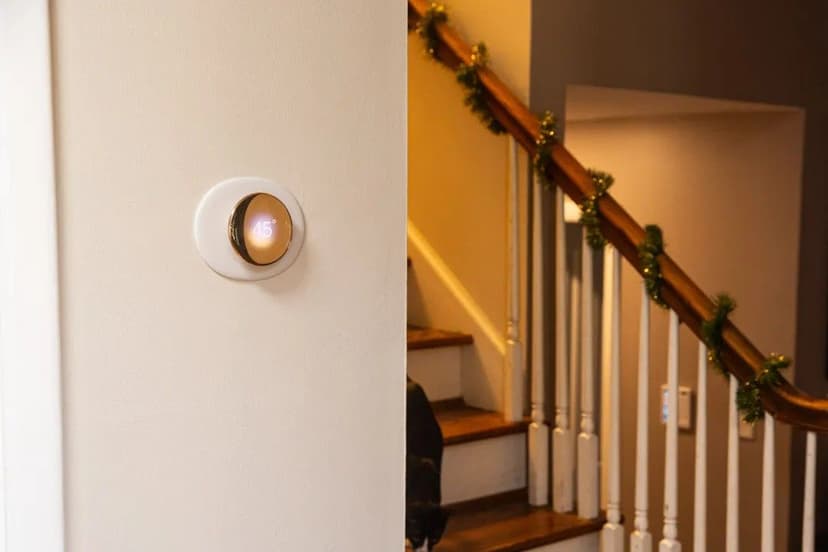
Google is finally consolidating its Nest acquisition too. More than a decade after buying the smart device maker, the company is migrating all Nest functionality into the Google Home app. Nest thermostats from 2015 onward, cameras, doorbells, Protect smoke detectors, and Yale lock integrations are all moving over. The standalone Nest app isn't disappearing immediately, but its days are clearly numbered.
The AI integration goes beyond simple voice commands. A new "Ask Home" feature lets users type or speak natural language queries like "when did the kids come home?" or "did I leave the car door open?" Gemini can control multiple devices simultaneously, find specific camera clips, and even create complex automations just by describing what you want.
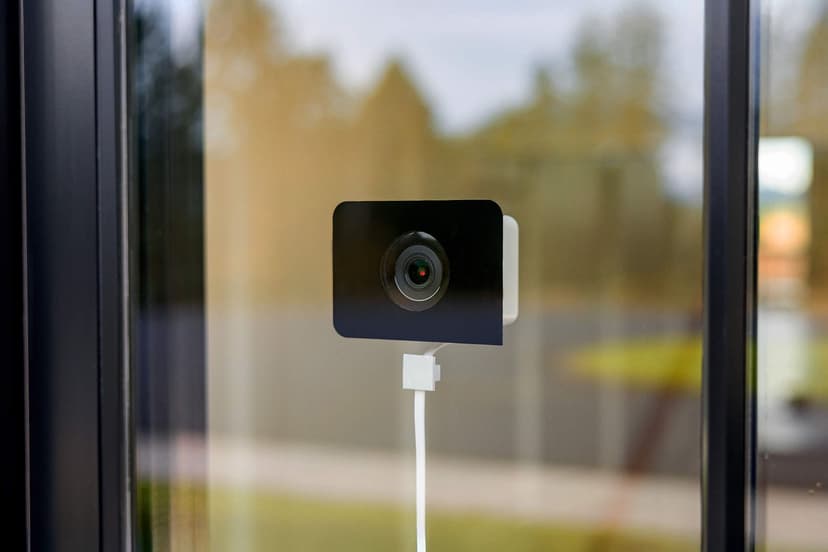
Camera improvements showcase Google's focus on visual AI. Live views now load 30% faster with 40% fewer playback failures. The camera history scrubbing experience gets a 6x frame rate boost, while AI-powered descriptions replace generic "motion detected" alerts with specific details about what actually happened.
The Activity tab introduces a "Home Brief" that uses Gemini to summarize your entire home's daily activity, potentially saving hours of scrolling through individual alerts. Instead of manually checking each device, you get an AI-generated overview of everything that mattered.
Not everything comes free, though. The most powerful AI features - including Home Brief, Ask Home, and natural language automation creation - require a new Google Home Premium subscription at $10 monthly. It's included with Google's AI Pro and Ultra subscriptions, but adds another monthly fee to Google's growing services stack.
The timing isn't coincidental. As Amazon struggles with Alexa monetization and Apple focuses on premium HomeKit experiences, Google is betting that AI-powered smart homes represent the next major platform battle. With over 800 million connected devices in its ecosystem, Google has the scale to make this vision work.
Competitors should take notice. The integration of large language models into everyday home management could fundamentally change how people interact with connected devices. Instead of remembering specific commands or hunting through apps, users can simply describe what they want in plain English.
The Google Home 4.0 update begins rolling out globally today, with full availability expected within days. Users can jump the queue by enabling "Early Access" in the app's Home Settings menu - a fitting way to test whether Google has finally delivered the smart home experience it promised years ago.
Google's Home app overhaul represents more than just bug fixes - it's a fundamental reimagining of how smart homes should work. By finally integrating its Nest acquisition and adding genuine AI capabilities, Google is positioning itself as the platform that makes connected homes actually intelligent. The question now isn't whether this update will improve the user experience, but whether competitors can match Google's combination of device ecosystem scale and AI sophistication. For the millions of frustrated Google Home users, this long-overdue update can't come soon enough.