Smart lighting just hit its stride. The perfect storm of falling LED costs, expanded Matter compatibility, and platform integration means homeowners can finally mix brands without headaches. From Apple's circadian rhythm features to Philips Hue's theater setups, smart bulbs are transforming how we light our homes - and the timing couldn't be better for fall upgrades.
The smart lighting revolution is finally hitting its sweet spot. After years of fragmented ecosystems and premium pricing, the convergence of falling LED costs and universal Matter compatibility is making intelligent illumination accessible to mainstream homeowners.
The Verge's Jennifer Pattison Tuohy highlights this shift in her comprehensive smart lighting guide, noting how Philips Hue Essentials pricing has dropped while cross-platform support has expanded. The timing aligns perfectly with fall home improvement season, when homeowners typically tackle indoor upgrades before winter.
The biggest breakthrough? Apple's Adaptive Lighting feature now works across brands like Philips Hue, Nanoleaf, Aqara, and Lifx - something previously impossible in the walled-garden smart home era. This circadian rhythm technology automatically adjusts color temperature throughout the day, shifting from cool morning tones to warm evening hues that support natural sleep cycles.
"The light inside my home feels more like the light outside," Tuohy explains, describing how the feature runs seamlessly in background without manual scene programming. For Apple ecosystem users, this requires an Apple TV, HomePod, or HomePod Mini as a hub, but the investment pays dividends in daily quality of life improvements.
Competing ecosystems aren't standing still. Ikea's Dirigera hub offers similar circadian features, while Google and Amazon continue expanding their smart home integrations. The key difference: Matter's universal standard means consumers aren't locked into single-brand solutions anymore.
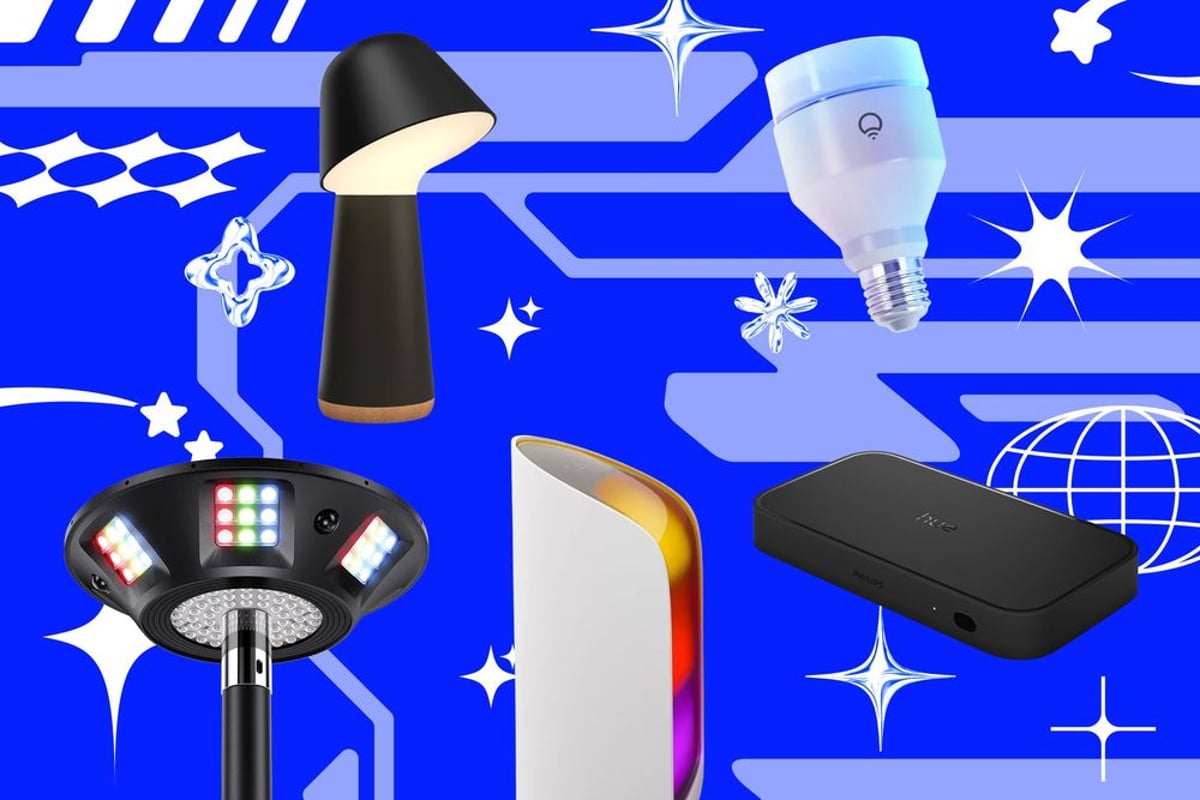
The premium end showcases where smart lighting is headed. Philips Hue's new Twilight Sleep & Wake light represents a $307 evolution beyond basic smart bulbs, featuring dual light sources and 0.02% dimming capability - 10 times more precise than standard Hue bulbs. For shift workers or anyone struggling with morning routines, the investment in gentler wake-up experiences could justify the cost.
Television integration remains a compelling use case, though the math gets expensive quickly. Hue's 8K Sync Box paired with Wall Washers creates stunning ambient effects that respond to on-screen content, but the complete setup approaches $1,000. More budget-conscious alternatives from Govee and Nanoleaf use camera-based systems starting around $100, though they require comfort with living room surveillance.
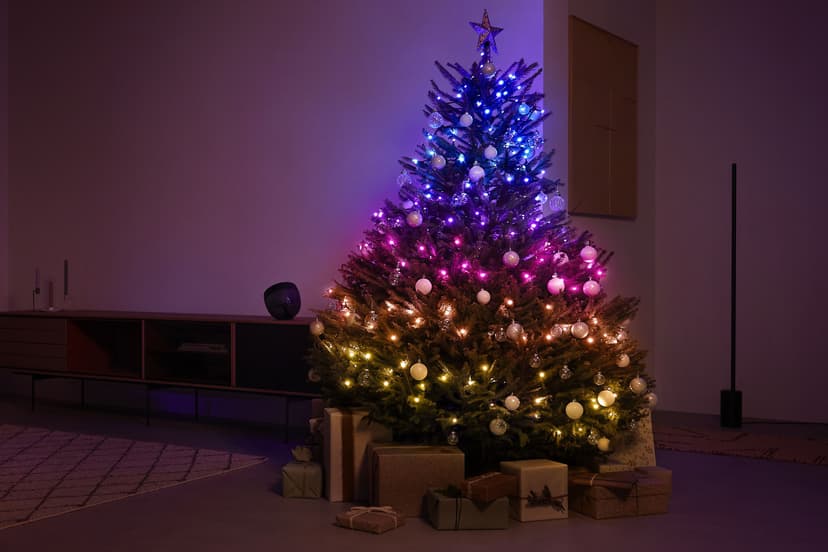
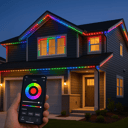
Outdoor applications show the biggest innovation momentum. Permanent holiday lighting systems eliminate the annual ladder dance while providing year-round accent capabilities. Govee's Prism series leads this category with IP68 weatherproofing and three-LED-per-bulb architecture, though the $540 starting price positions it as premium infrastructure rather than impulse purchase.
The broader trend points toward lighting as ambient computing. Smart bulbs increasingly serve as notification systems, security indicators, and mood enhancers - functions that extend well beyond illumination. Voice control integration with Amazon Alexa and Google Assistant makes these features accessible through natural commands rather than app navigation.
Retail momentum is building at the right time. Home improvement retailers are expanding smart lighting sections ahead of fall renovation season, while online prices continue dropping on entry-level products. The combination of better technology and lower barriers to entry suggests 2025 could mark smart lighting's mainstream tipping point.
For homeowners considering upgrades, the current market offers unprecedented choice without ecosystem lock-in penalties. Whether starting with basic Matter-compatible bulbs or investing in premium wake-up systems, the foundation is finally solid for long-term smart home evolution.
Smart lighting's maturation coincides perfectly with growing consumer demand for automated home experiences. The combination of falling prices, universal compatibility, and genuinely useful features like circadian rhythm support creates a compelling upgrade path for homeowners. While premium systems require significant investment, the foundation technologies are now solid enough to justify long-term smart home planning. For anyone considering home automation, lighting offers the most immediate quality-of-life improvements with the least complexity - making it the ideal entry point into connected living.