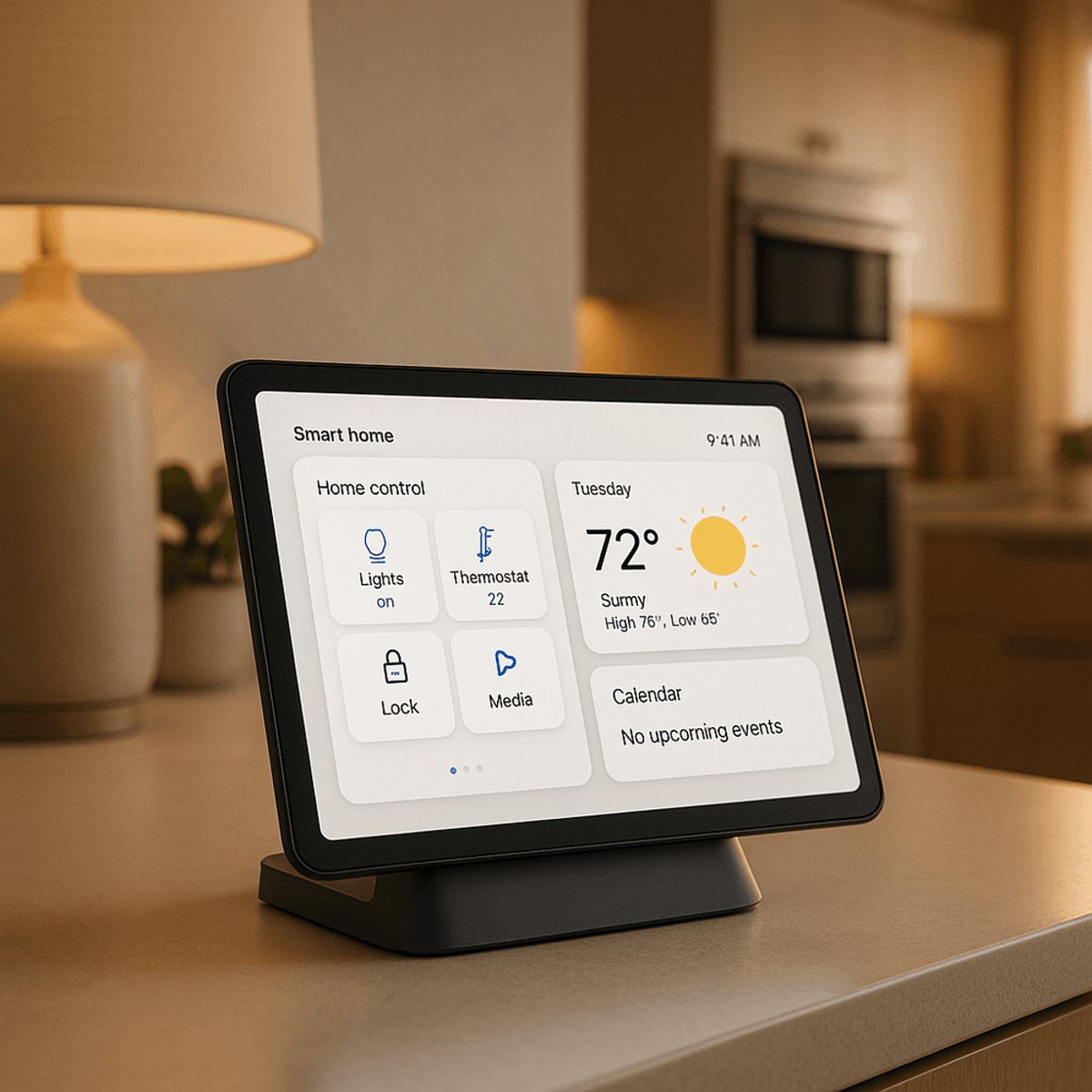
The smart display market just got reshuffled. Wired has crowned Google's Pixel Tablet as the best smart display of 2025, marking a significant shift in the competitive landscape dominated by Amazon's Echo Show series. The tech publication's comprehensive testing reveals how the market is evolving beyond traditional voice-first devices.
Google's Pixel Tablet just claimed the smart display crown, according to Wired's latest buying guide. The publication's comprehensive testing positions Google's tablet-turned-smart-display ahead of Amazon's entire Echo Show lineup, signaling a major shift in how consumers think about connected home screens.
The victory comes as the smart display market faces an identity crisis. Meta killed its Portal line that reviewers once praised, while Google stopped issuing software updates for third-party smart displays, leaving many devices in digital limbo. "We're not sure how long they'll be worth it, or even exist, in their current form," Wired's Nena Farrell writes in the guide.
For traditional smart displays, Amazon's Echo Show 8 (3rd Gen) takes the top spot at $150. The device features an 8-inch HD screen, 13MP camera with auto-framing, and built-in smart home hub capabilities. Wired praised its balance of features and price point, making it the sweet spot for most households looking to add a voice-controlled screen to their kitchen or living room.
The recommendation comes as Amazon prepares to launch Alexa+, a premium version of its voice assistant powered by generative AI. The new service will cost $20 monthly or be included free with Amazon Prime membership. Early access begins next month, starting with Echo Show devices including the recommended Show 8.
Google's strategy shift toward the Pixel Tablet reflects broader market consolidation. The device functions as both a standalone Android tablet and a smart display when docked, offering versatility that dedicated smart displays can't match. This dual-purpose approach addresses concerns about the long-term viability of single-purpose smart displays.
The market uncertainty extends beyond hardware. Amazon reportedly lost $10 billion on Alexa in 2022, leading to significant layoffs across the voice assistant team. Despite continued hardware releases, the financial pressures raise questions about sustained investment in the category.
Smaller displays also made Wired's list, with Google's Nest Hub securing a spot at $100 for users who don't need a camera. The second-generation device offers sleep tracking and gesture controls using radar technology, though Wired notes the sleep tracking quality "isn't great."
Amazon's Echo Show 5 (3rd Gen) rounds out the recommendations at $90, positioned as a bedside companion rather than a kitchen centerpiece. The 5.5-inch screen works well for personal use but lacks the presence needed for shared spaces.
The guide also highlights what to avoid. Amazon's Echo Show 10, with its rotating screen that follows users around the room, earned a skip recommendation due to positioning challenges in tight spaces. The larger Echo Show 15 and 21 models failed to impress, described as awkward hybrids that don't excel as either smart displays or TVs.
Looking ahead, the smart display category faces headwinds that could reshape the entire market. Apple still hasn't entered the dedicated smart display space, instead offering iPhone StandBy Mode as a limited alternative. The feature transforms charging iPhones into basic digital clocks but lacks the comprehensive functionality of purpose-built devices.
Digital calendar displays represent an emerging adjacent category, with companies like Skylight and Hearth offering family-focused screens. However, these devices require monthly subscriptions and family coordination that may limit their appeal compared to shared Google Calendar access.
The consolidation toward tablet-based solutions like Google's Pixel Tablet suggests the market is moving away from dedicated smart displays toward more versatile devices. This shift could accelerate if economic pressures continue affecting major players' investments in voice-first hardware.
The smart display landscape is consolidating around versatile devices rather than dedicated voice-first screens. Google's Pixel Tablet victory suggests consumers prefer multi-purpose devices over single-function displays, while Amazon's upcoming Alexa+ premium service indicates the industry is seeking new revenue models. With Meta out of the market and economic pressures mounting, the next year will likely determine whether smart displays evolve into something more sustainable or fade into tech history.