Google is pushing ahead with a major overhaul of its Play Store billing structure, even as courts continue to review the settlement in Epic Games' antitrust case. Starting next week, the company will replace its controversial flat 30% commission with a new "decoupled" fee system that separates charges for app distribution from payment processing. The change affects developers worldwide and marks one of the biggest shifts in app store economics since Google Play launched, potentially reshaping how billions in mobile revenue flows between platform and creators.
Google is rolling out sweeping changes to how it charges developers for transactions on the Play Store, implementing a new fee structure that breaks apart distribution and billing costs even before a judge signs off on the company's settlement with Epic Games. The move represents a significant concession in the ongoing battle over app store economics that's been reshaping the mobile industry.
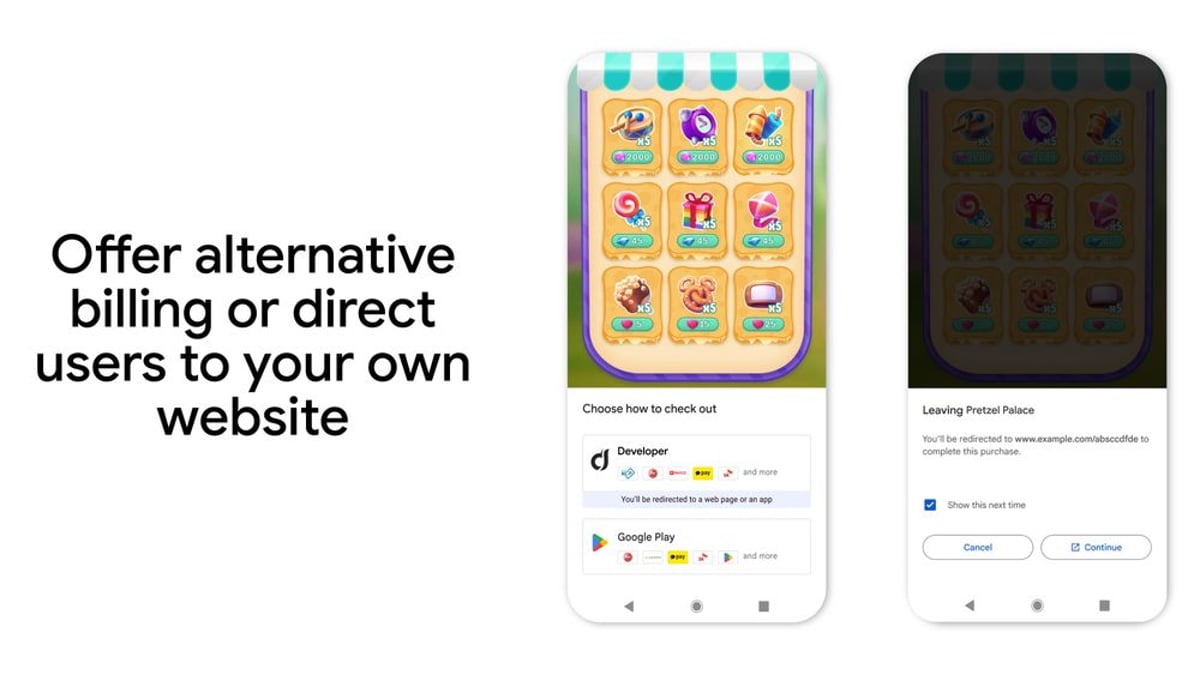
According to Google's official developer blog, the new "expanded billing" system goes live next week for developers worldwide. It replaces the standard 30% cut Google has taken from most transactions with what the company calls "lower, decoupled fees" that separate the cost of app distribution from payment processing services.
The change stems directly from Epic's legal victory. The game developer behind Fortnite sued Google in 2020, arguing that the company maintained an illegal monopoly over Android app distribution and in-app payments. After a jury sided with Epic in December 2023, Google announced in March it would restructure its fee system as part of a broader settlement.
But here's where it gets complicated. How much Google takes from each transaction now depends on multiple factors, according to the company's support documentation. The fee structure varies based on whether a user first installed an app before or after the new system launched, how much total revenue a developer has earned, and critically, whether they're using Google's billing system or an alternative payment processor.
For developers who stick with Google Play Billing, the fees range from 12% to 27% depending on the circumstances. But developers who opt for alternative billing options - like Stripe or other payment processors - will pay a separate "platform fee" for app distribution that's notably lower than the traditional commission. Google hasn't disclosed exact percentages for all scenarios, but the company emphasizes the new structure offers "more choice and flexibility."
The timing is striking. Google is implementing these changes before the court has officially approved the settlement agreement, signaling either confidence in the deal's approval or recognition that the old fee structure has become legally untenable. The company faces similar pressure in other markets, particularly the European Union, where the Digital Markets Act is forcing both Google and Apple to open their app ecosystems to alternative payment systems.
For smaller developers, the changes could mean substantial savings. A developer earning under $1 million annually might see their effective commission drop from 15% (Google's reduced rate for smaller developers) to potentially single digits if they use alternative billing. But there's a catch - developers who choose alternative payment processors will need to handle additional technical integration, customer support for payment issues, and compliance with various financial regulations.
The app developer community has been cautiously optimistic but wary. Many remember Apple's implementation of alternative payment options, which some developers criticized as maintaining the status quo through complicated rules and fees. Google's approach appears more flexible, but developers are waiting to see how the system works in practice.
Competitors are watching closely too. Epic Games CEO Tim Sweeney has been vocal about app store policies for years, and this settlement could set precedents that affect how Apple, Amazon, and other platform operators structure their own marketplaces. The ripple effects could extend beyond mobile apps to gaming consoles, smart TV platforms, and emerging ecosystems in virtual reality.
The changes also arrive as Google faces broader antitrust scrutiny. The Department of Justice is pursuing a separate case against Google's search and advertising businesses, and regulators globally are questioning whether tech platforms wield too much control over digital commerce. How developers and consumers respond to these new billing options could influence regulatory thinking about platform power.
One unanswered question is how this affects Google's revenue. The company doesn't break out Play Store earnings separately, but analysts estimate app store commissions generate tens of billions annually across Google and Apple combined. Lower fees mean less revenue unless transaction volumes increase significantly, which could happen if more developers feel comfortable pricing apps and in-app purchases more aggressively.
Google's new billing structure represents a fundamental shift in how one of the world's largest app marketplaces operates, driven by legal pressure and changing regulatory expectations. While the decoupled fees promise savings for many developers, the real test comes in implementation - whether alternative billing truly delivers freedom or simply adds complexity. As this rolls out next week, the entire mobile industry will be watching to see if this marks the beginning of genuinely open app store economics or just a new variation on platform control. Either way, the days of the simple 30% commission are over, and what replaces it could reshape billions of dollars in digital commerce.