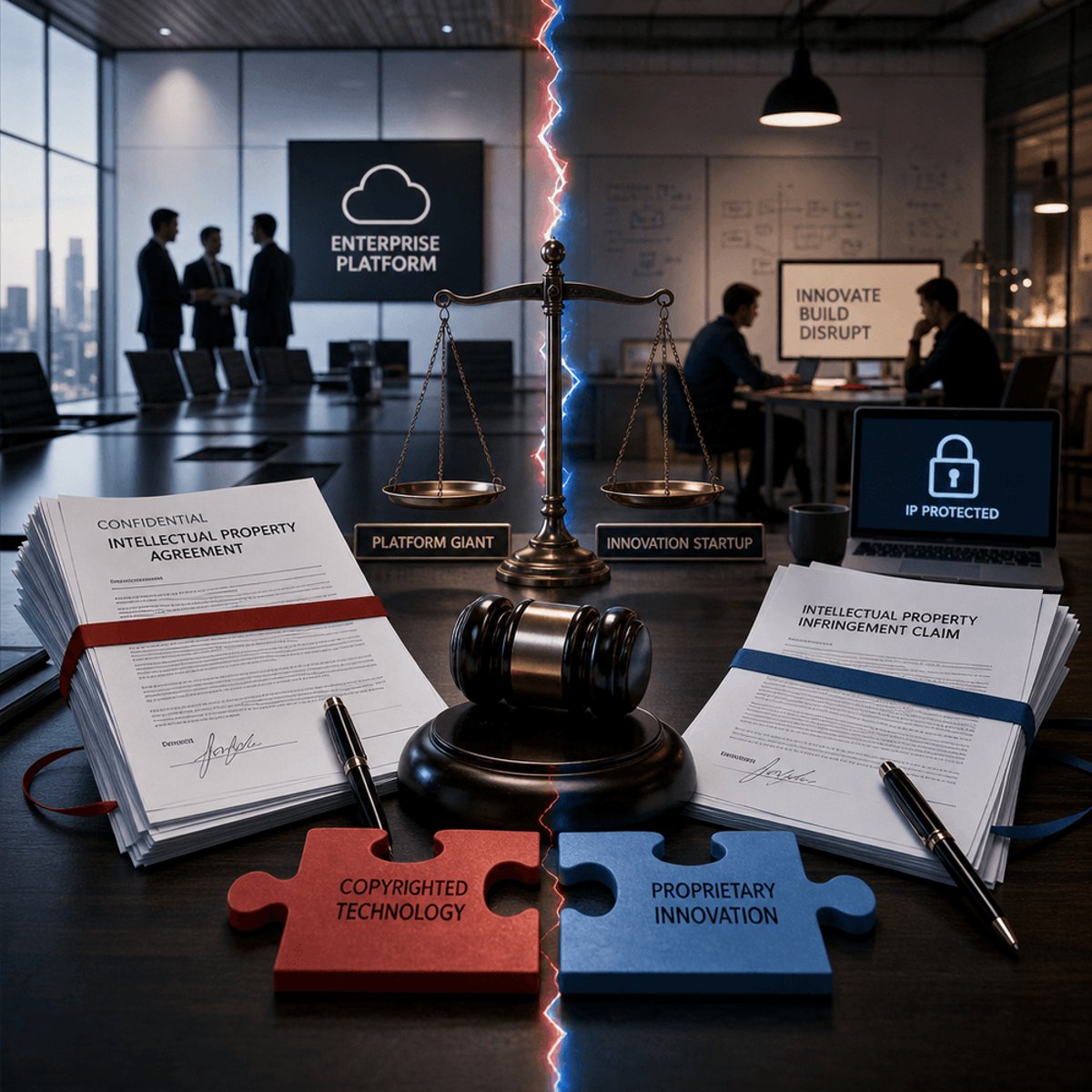
Rippling, the $13.5 billion HR platform, just escalated its legal fight with tiny startup Runlayer, filing a counter-lawsuit that flips the script on allegations it stole product ideas. The move comes weeks after Runlayer accused the unicorn of IP theft, setting up a David-versus-Goliath courtroom showdown that's sending chills through the enterprise SaaS world. For startups pitching to platform giants and enterprises evaluating vendor partnerships, this case is becoming a cautionary tale about what happens when collaboration turns confrontational.
Rippling isn't backing down. The HR and IT management unicorn filed a countersuit against Runlayer in response to allegations that surfaced last month, when the smaller startup accused Rippling of stealing its product innovations. According to TechCrunch, the legal filing marks a dramatic escalation in what started as a partnership discussion and devolved into a full-blown IP dispute.
The countersuit represents more than just corporate sparring. It's become a test case for how platform companies and smaller startups navigate the murky waters of collaboration, where sharing product roadmaps and technical capabilities can blur into IP exposure. For Runlayer, a company with a fraction of Rippling's resources and market presence, the decision to sue first was bold. For Rippling, the counter-punch signals it won't let allegations stand unchallenged, regardless of the optics of a unicorn battling a minnow.
The original lawsuit from Runlayer claimed that Rippling had appropriated core product concepts after the two companies engaged in partnership talks. While specific details of the alleged theft remain under seal, the case centers on whether Rippling improperly used information shared during those discussions to build competing features. It's a scenario playing out with increasing frequency as platform companies expand their offerings and smaller vendors struggle to protect their innovations while seeking distribution partnerships.
Rippling's countersuit flips the narrative. While the company hasn't publicly detailed its claims, counter-lawsuits in similar cases typically allege breaches of contract, defamation, or unfounded accusations designed to extract settlements. The move also serves a strategic purpose: forcing Runlayer to defend its own conduct while draining resources that a small startup can ill afford to spend on prolonged litigation.
For the broader enterprise SaaS ecosystem, this case is a wake-up call. Startups routinely pitch integration ideas to larger platforms, sharing technical architectures and product roadmaps to demonstrate value. But those conversations carry risk. Without airtight NDAs and clear IP ownership agreements, smaller companies can find their innovations replicated by the very partners they courted. On the flip side, platforms face their own exposure: every partnership conversation becomes potential litigation fodder if relationships sour.
The timing is particularly sensitive for Rippling, which has built its reputation on rapid product expansion and aggressive market positioning. The company has absorbed criticism before for its hard-charging sales tactics and competitive moves, but an IP theft lawsuit threatens a different kind of reputational damage. Enterprise buyers already wary of vendor lock-in and platform risk may think twice about partnering with a company embroiled in allegations of copying smaller competitors.
Meanwhile, Runlayer faces its own challenges. Taking on a well-funded unicorn in court requires deep pockets and a willingness to endure years of legal warfare. Most startups in similar positions settle quietly, lacking the resources or risk tolerance for protracted litigation. By filing first and now defending against a countersuit, Runlayer has committed to a battle that could define its future—or drain what resources it has left.
Legal experts watching the case point to a broader pattern in tech litigation. As platform companies expand vertically and horizontally, conflicts with smaller vendors intensify. The playbook is familiar: a startup builds a niche product, pitches integration to a larger platform, shares its technology, and later discovers the platform launching competing features. Proving IP theft requires demonstrating not just similarity, but that the platform wouldn't have developed the feature independently—a high bar in court.
For now, both companies are dug in. The countersuit ensures this won't be resolved quickly or quietly, and discovery could reveal uncomfortable details about how both sides operate. Enterprise buyers and startup founders alike are watching closely, knowing the outcome will influence how they approach partnerships, vendor relationships, and IP protection going forward. In an ecosystem built on collaboration, this case is a reminder that trust only goes so far when billions in market value are at stake.
This legal showdown between Rippling and Runlayer is more than a courtroom drama—it's a stress test for how the enterprise SaaS ecosystem handles collaboration when trust breaks down. Startups now face stark choices about how much to reveal when pitching partnerships, while platforms must navigate the perception risk of crushing smaller competitors through litigation or product mimicry. As both sides prepare for discovery, the real impact will be felt in boardrooms and pitch meetings across the industry, where every NDA and partnership agreement gets a second look. The verdict won't just decide this case—it'll shape how companies protect their innovations and negotiate partnerships for years to come.