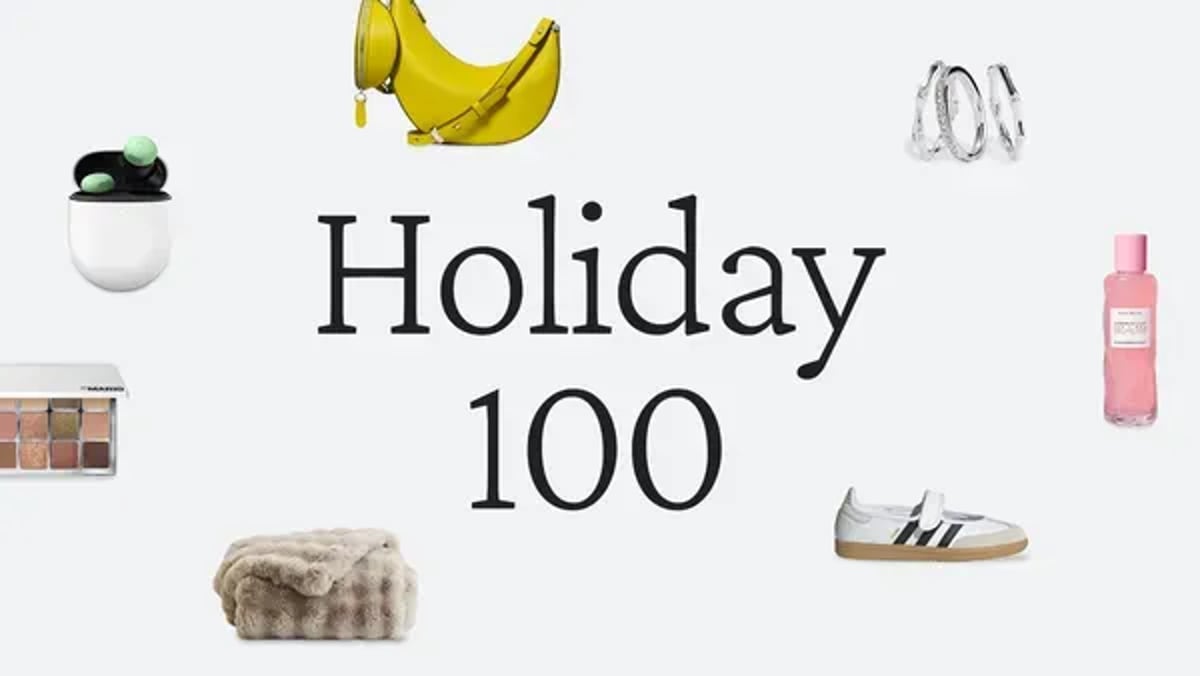
Google just dropped its annual Holiday 100 list, revealing the year's most-searched gift ideas based on over 1 billion daily shopping queries. The data shows some surprising trends - movie projector searches exploded 945% while weighted vests and red light therapy masks hit all-time highs. This isn't just another gift guide; it's a real-time snapshot of what Americans actually want under the tree this year.
Google is essentially giving retailers and shoppers a crystal ball into holiday demand. The tech giant's newly released Holiday 100 list doesn't just guess what people want - it tracks the shopping behavior of over a billion daily search queries to reveal what's actually trending.
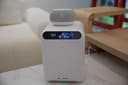
The numbers tell a fascinating story about shifting consumer preferences. Movie projectors absolutely dominated search trends, with queries spiking an incredible 945% this year. Home projectors weren't far behind, jumping 60% as people apparently decided their living rooms needed a cinematic upgrade. According to Google Shopping data, this trend reflects a broader move toward home entertainment investments.
But it's not just about bringing the theater home. Fashion searches reveal some unexpected comebacks - drop waist dresses hit an all-time high, proving that 1920s style is having its moment. Meanwhile, "stackable ring sets" doubled in search volume, and "crescent bags" became what Google calls a "breakout search" - essentially going viral in shopping terms.
The wellness category shows where Americans are putting their money in 2025. Red light therapy mask searches reached unprecedented levels, while weighted vests became the year's surprise fitness accessory with record search volumes. "We're seeing people invest in both immediate gratification and long-term wellness," notes the search data pattern.
What makes this different from typical gift guides is the methodology. Google processes shopping queries from retailers and brands across the entire web, not just its own ecosystem. The company identified trending products across apparel, accessories, home goods, electronics, toys, beauty, and health categories by analyzing year-over-year search spikes and breakout terms.
Some trends feel almost predictable in hindsight - kids' scooters are up 50%, and styling wands continue their annual holiday surge that's been happening since 2011. But others, like the explosion in "packing cube" searches hitting all-time highs, suggest people are planning their post-pandemic travel adventures.
The data also reveals micro-trends that traditional market research might miss. "Backpack charms" reached an all-time high in U.S. searches - a signal that even small accessories can create massive demand when they hit the right cultural moment. Similarly, "stretching straps" achieved breakout status, indicating the home fitness trend is evolving beyond basic equipment.
For retailers, this represents invaluable demand forecasting. Google's Holiday 100 essentially shows which products to stock up on versus which trends might be losing steam. The company notes that gift-finding remains challenging for most U.S. holiday shoppers, according to recent Ipsos research of 940 online consumers.
The timing of this release - early November - gives retailers about seven weeks to adjust inventory and marketing strategies based on actual search behavior rather than seasonal guesswork. It also helps consumers understand what's likely to be in high demand (and potentially harder to find) as the shopping season intensifies.
Google's Holiday 100 represents more than just seasonal marketing - it's a real-time barometer of American consumer preferences backed by massive search volume data. For shoppers, it offers insights into what's genuinely trending versus what retailers are simply pushing. For the broader retail industry, it's become an essential planning tool that can predict demand weeks before traditional market signals appear. The 945% spike in movie projector searches alone suggests this holiday season might look quite different from previous years, with home entertainment and wellness taking center stage over traditional gift categories.