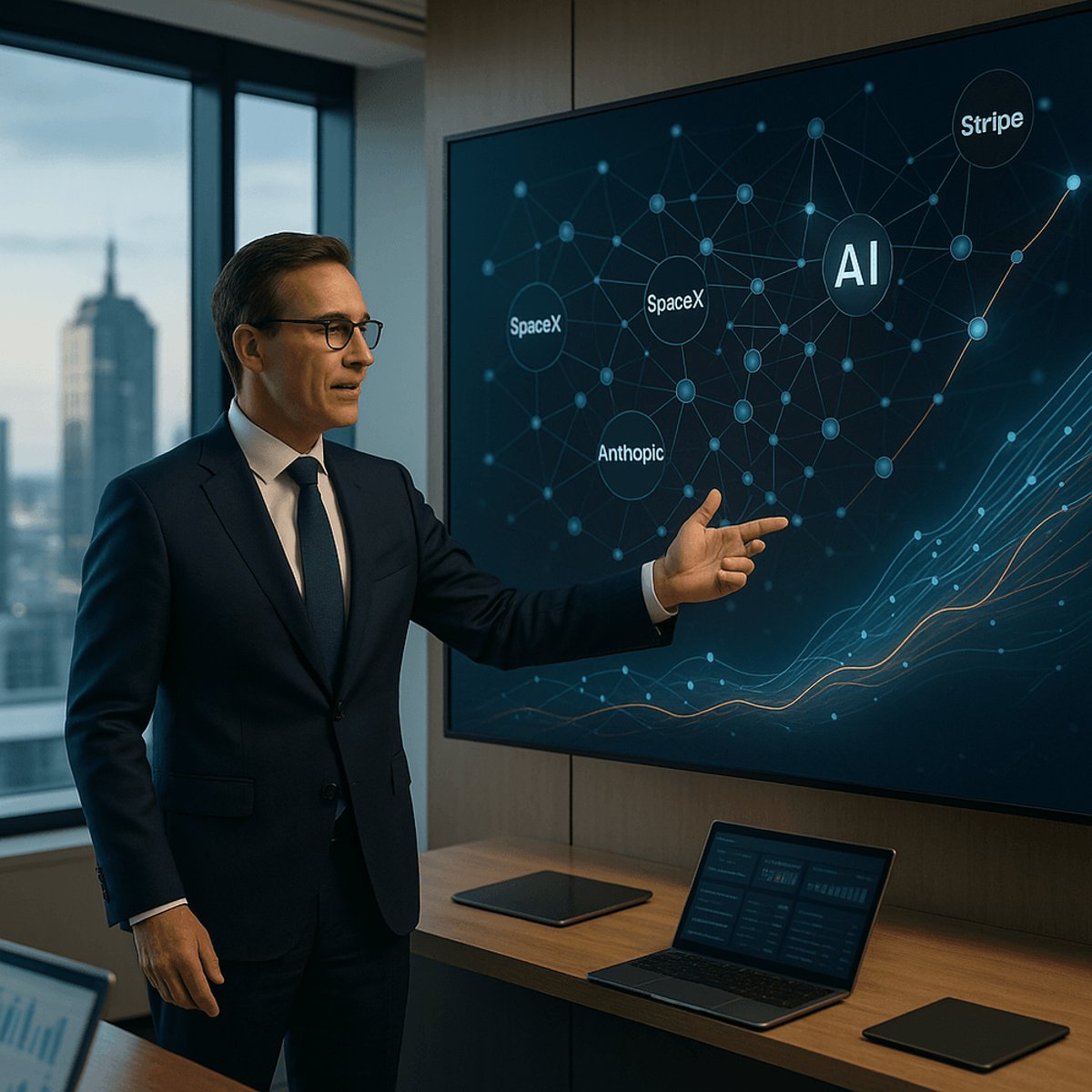
Google CEO Sundar Pichai is positioning the AI revolution as a once-in-a-generation opportunity for corporate venture capital, signaling that Alphabet plans to expand its already aggressive startup investment strategy. The comments come as the tech giant maintains stakes in some of the world's most valuable private companies, including SpaceX, Anthropic, and Stripe, while competitors race to lock down strategic AI partnerships.
Google CEO Sundar Pichai just gave the clearest signal yet that Alphabet sees the AI era less as a product race and more as a venture capital land grab. Speaking about the company's investment philosophy, Pichai framed the ongoing AI shift as opening fresh opportunities to back startups at the frontier of the technology transformation.
The timing matters. While Microsoft famously locked down OpenAI with a $13 billion commitment and Amazon poured $4 billion into Anthropic, Google has been playing a different game entirely. The company backed Anthropic early with over $2 billion before the ChatGPT frenzy even began, giving it a hedge against its own Gemini models while maintaining access to cutting-edge AI research.
But Anthropic is just the headline. Alphabet's portfolio reads like a who's-who of the next decade's potential mega-exits. The company holds positions in SpaceX, valued north of $200 billion in private markets, and Stripe, the payments infrastructure giant that's become essential plumbing for the internet economy. Through its CapitalG and GV (formerly Google Ventures) arms, Alphabet has quietly assembled a war chest of strategic bets that extend Google's influence far beyond search and advertising.
Pichai's comments suggest this strategy is about to accelerate. The AI shift he's referencing isn't just about large language models - it's about the entire stack of infrastructure, tooling, and applications being rebuilt for an AI-native world. That means opportunities in everything from specialized AI chips to vertical-specific agents to new data infrastructure that can handle the computational demands of modern AI systems.
What makes Alphabet's approach particularly shrewd is the strategic optionality it creates. By investing in potential competitors like Anthropic, Google ensures it has a seat at the table regardless of which AI architectures dominate. By backing infrastructure plays like cloud security startups and developer tools, it strengthens the ecosystem that ultimately benefits its own Google Cloud platform.
The strategy also provides defensive cover against antitrust scrutiny. Rather than acquiring companies outright - something that would trigger immediate regulatory alarm bells - Alphabet takes minority stakes that give it influence without the appearance of monopolistic consolidation. It's a playbook Microsoft has deployed effectively with its OpenAI partnership, which technically remains an investment rather than an acquisition.
For startups, Pichai's comments signal that Google money comes with strings attached. These aren't passive financial investments - they're strategic partnerships designed to extend Alphabet's platform advantages. A startup that takes CapitalG funding can expect integration discussions around Google Cloud, potential distribution through Google's properties, and alignment with the company's broader AI roadmap.
The competitive implications are stark. As the big tech platforms race to lock down the AI stack through investments, independent startups face a narrowing window to maintain true independence. Taking money from Alphabet, Microsoft, or Amazon increasingly means picking sides in the broader platform wars - a choice that will define the next generation of tech ecosystems.
What remains unclear is where Pichai sees the biggest opportunities. Will Alphabet focus on AI infrastructure and foundational models, or pivot toward application-layer companies building AI-powered products for specific industries? The company's existing portfolio suggests a barbell strategy - big bets on moonshots like SpaceX combined with infrastructure plays that strengthen Google's core platforms.
One thing is certain: the era of tech giants simply building everything in-house is over. In its place, a new model is emerging where companies like Google use strategic capital to construct ecosystems of aligned startups, each reinforcing the platform's broader competitive moat. Pichai's framing of AI as an investment opportunity rather than just a product challenge shows exactly how the game has changed.
Pichai's framing of the AI shift as an investment opportunity reveals how the competitive dynamics of tech have fundamentally changed. This isn't about building the best product anymore - it's about assembling the most strategically valuable portfolio of aligned companies. For startups, that means venture capital increasingly comes with platform lock-in. For Google, it means the company can hedge its bets while maintaining influence across multiple potential futures. The question now is whether regulators will allow this investment-based empire building to continue unchecked, or whether Alphabet's growing portfolio of strategic stakes will eventually trigger the same scrutiny that traditional acquisitions face.