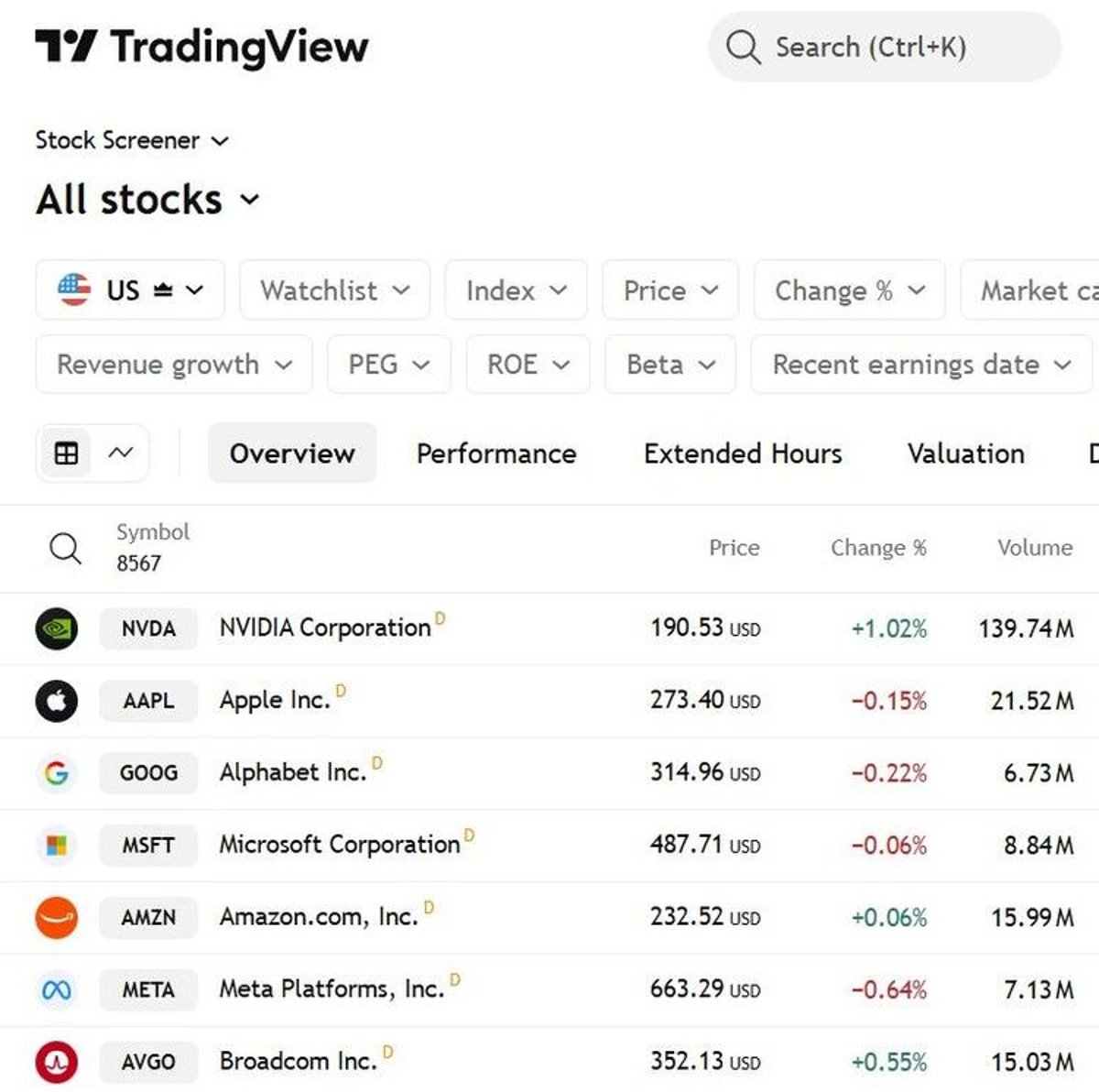
Every trading day, the market presents investors with an overwhelming amount of information — price movements, breaking news, social media opinions, analyst calls, and endless charts. For many traders, this constant flow creates confusion rather than clarity. Decisions start to feel rushed, emotional, or influenced by noise instead of logic.
The real challenge isn’t the lack of data. It’s knowing what to ignore. This is where a systematic approach becomes essential. One of the most effective ways to filter distractions and focus only on meaningful opportunities is by using a stock screener. When used correctly, it transforms chaos into structure and enables traders to act with confidence rather than impulse.
Why Market Noise Is a Real Problem
Market noise refers to short-term, often irrelevant information that distracts traders from what truly matters. This includes sudden price spikes, trending stock tips, speculative headlines, and emotional reactions from other market participants.
Noise becomes dangerous when it:
- Pushes traders into rushed entries
- Creates fear during temporary pullbacks
- Encourages chasing trends without a plan
- Distracts from long-term strategy
Without a clear filtering system, traders may end up reacting instead of analyzing.
The Power of Structured Filtering
Successful trading is less about predicting the future and more about improving decision quality. Structured filtering enables traders to narrow down thousands of stocks to a manageable list based on predefined rules.
Instead of asking, “What stock should I trade today?” the better question becomes, “Which stocks meet my criteria?”
This mindset shift removes emotion and replaces it with logic. It’s not about finding the perfect stock; it’s about finding stocks that fit your strategy.
What a Stock Screener Really Does
A stock screener scans the market using filters you choose. These filters can be based on price movement, volume, technical indicators, or company fundamentals. The goal is simple: eliminate stocks that don’t matter to you and highlight the ones that do.
Rather than staring at dozens of charts, traders start with a shortlist that already matches their trading style. This saves time and improves focus.
Used consistently, screening becomes the foundation of a repeatable trading process.
Turning Noise into Signals
Not all movement is meaningful. A stock rising due to hype is very different from one that rises with strong volume and clear technical strength.
Screeners help traders distinguish between:
- Random price fluctuations
- Temporary reactions to news
- Stocks showing genuine strength or weakness
By focusing solely on stocks that meet specific conditions, traders can eliminate distractions and concentrate on signals that truly matter.
Building Filters That Match Your Style
There’s no universal “best” screening setup. What works for a day trader may not be suitable for a long-term investor. The key is aligning filters with your goals.
Some traders focus on momentum, looking for stocks making new highs with strong volume. Others prefer stability, screening for consistent performers with steady growth. The process is personal, but the structure remains the same.
Once filters are defined, the market becomes quieter. Instead of endless choices, you see a refined list that fits your plan.
Reducing Emotional Decision-Making
Emotions often drive poor trades. Fear causes early exits, while greed leads to chasing prices. Screening helps reduce this emotional cycle.
When traders rely on predefined rules:
- Entries feel more confident
- Exits are more disciplined
- Losses feel manageable
- Wins feel repeatable
The screen becomes a neutral decision-maker, reminding traders to stick to logic rather than impulse.
Saving Time Without Cutting Corners
One of the biggest advantages of screening is efficiency. Instead of manually scanning charts, traders can analyze only the most relevant setups.
This doesn’t mean skipping research; it means focusing research where it matters. Time saved from unnecessary analysis can be spent on planning entries, managing risk, or reviewing past trades.
In a fast-moving market, this efficiency becomes a competitive advantage.
From Overwhelm to Opportunity
Many beginners feel overwhelmed because they try to watch everything at once. Screeners shift the focus from watching the market to listening to it selectively.
Once noise is filtered out:
- Opportunities become clearer
- Patterns become easier to spot
- Confidence grows naturally
- This clarity allows traders to act with intention rather than hesitation.
The Role of Consistency in Screening
Screening works best when done regularly. Markets change daily, and new opportunities appear constantly. By running screens consistently, traders stay aligned with current conditions instead of reacting late.
Consistency also builds familiarity. Over time, traders recognize recurring setups and improve timing. What once felt complex becomes intuitive.
This habit transforms screening from a tool into a daily trading companion.
Avoiding the Trap of Over-Filtering
While filtering is powerful, too many conditions can limit results. Over-filtering may cause traders to miss good opportunities.
The goal isn’t perfection, it’s relevance. A few strong criteria are often better than dozens of restrictive ones. The best screeners strike a balance between focus and flexibility.
This balance keeps traders alert without overwhelming them.
Making Screening Part of a Bigger Process
Screening is not a trading strategy by itself; it’s the starting point. Once stocks are shortlisted, traders still need to analyze charts, plan risk, and define exits.
Think of screening as the gatekeeper. It decides which stocks deserve attention, not which trades should be taken blindly.
When combined with proper analysis, it becomes a powerful decision-making system.
Learning to Trust the Process
Trust develops over time. Early on, traders may still feel tempted to chase news or tips. But as screened trades start showing consistent results, confidence grows.
The market no longer feels random. It feels structured. And structure brings discipline.
That’s when traders realize the real value of using a stock screener, not just for finding trades, but for building long-term consistency.
Conclusion
Markets will always be noisy. Headlines will change, opinions will clash, and prices will fluctuate unpredictably. The difference between confusion and clarity lies in how traders filter information.