Instacart just hit the kill switch on its controversial AI pricing experiments. The grocery delivery platform announced it's immediately discontinuing its Eversight technology that allowed retailers to run dynamic pricing tests, effectively ending a practice that had triggered widespread backlash after researchers found shoppers were paying wildly different prices for the same items from the same store.
The decision came with a rare acknowledgment of failure from Instacart. In a Monday blog post, the company admitted that the pricing tests "missed the mark" and that the practice had left customers "questioning the prices they see on Instacart." The company framed its reversal as a matter of principle: "That's not okay - especially for a company built on trust, transparency, and affordability."
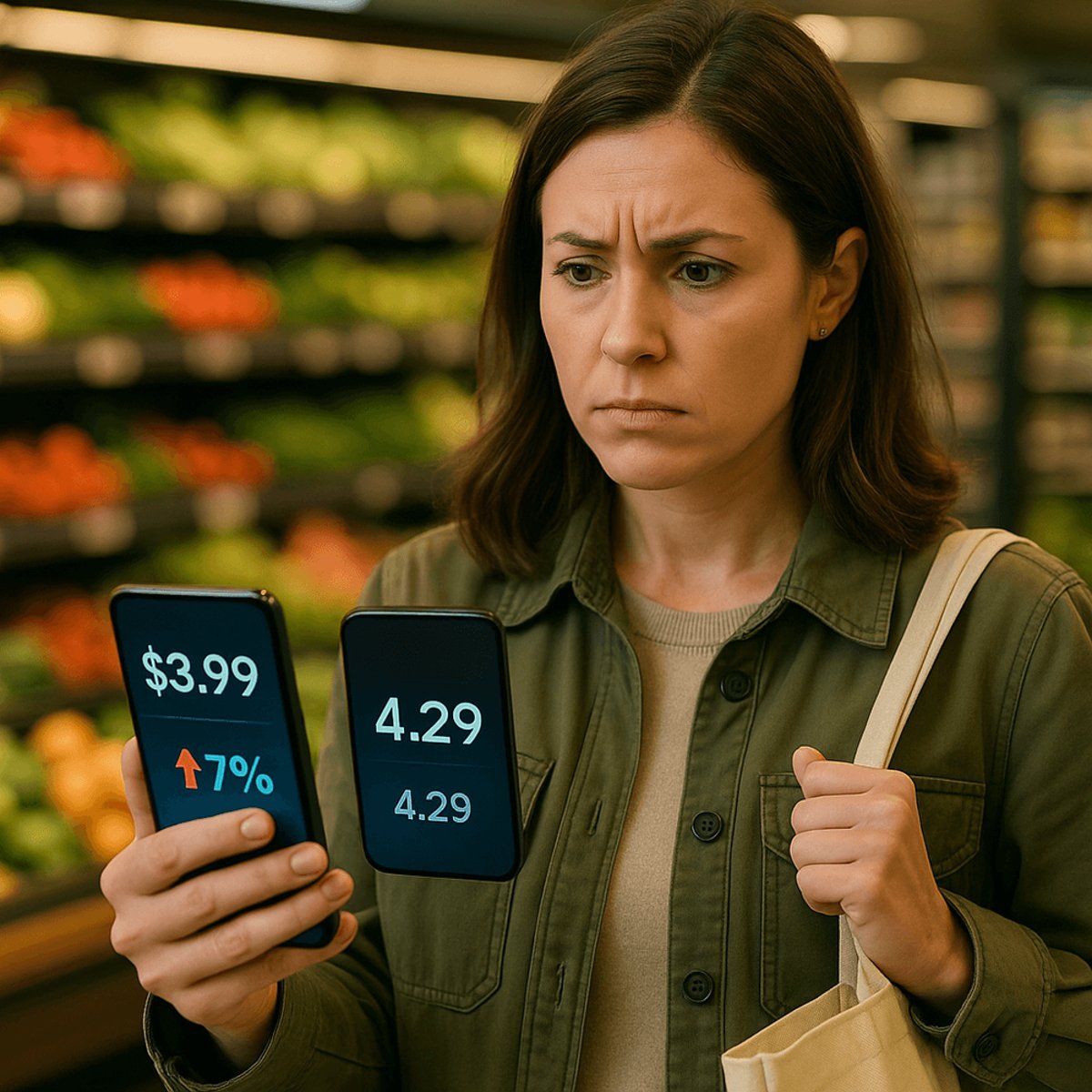
The timing here is significant. Just weeks ago, Consumer Reports released findings showing that Instacart's algorithmic pricing tools caused the same basket of groceries to cost wildly different amounts depending on which shopper was looking at it. The price swings hovered around 7%, which sounds small until you do the math - that translates to more than $1,000 in additional annual costs for some customers. It's the kind of headline that turns casual shoppers into angry customers.
The backlash was swift and bipartisan. Lawmakers who rarely agree on tech regulation suddenly found common ground criticizing Instacart for what felt like digital price discrimination at the grocery store checkout. Senator Elizabeth Warren and others took shots at the practice, framing it as exploitative during a time when families are genuinely struggling with inflation and food costs. That political heat combined with the FTC's scrutiny forced Instacart's hand.
The FTC angle here is particularly important for understanding the urgency. Last week, Reuters reported that the agency had sent a civil investigative demand to Instacart about its pricing practices - essentially a formal request for all documents and data related to how the company was experimenting with different prices for different customers. That's the FTC's version of showing up with a search warrant.
Then, just days later, Instacart faced another massive hit. The company was ordered to pay $60 million to settle FTC charges that it used deceptive tactics with its subscription service sign-ups and misleading "satisfaction guarantee" advertising. While Instacart denied wrongdoing in that settlement, the company acknowledged it had answered FTC questions about its AI pricing tools as part of the process. The optics were terrible - a company under investigation for deceptive practices while simultaneously running experiments that made customers pay different prices for the same product.
Understanding how we got here requires rewinding to 2022. Instacart spent $59 million to acquire Eversight, a company whose software allows retailers to run pricing experiments. At the time, the acquisition seemed like a smart play for improving margins and understanding customer behavior. But what works in theory often crashes into reality when customers discover they're paying more than their neighbor for identical milk and bread.
Instacart has been pushing back on characterizations of this as "dynamic pricing" or "surveillance pricing," arguing that retailers - not Instacart - ultimately control what gets listed where and at what price. The company also claimed the tests never used personal demographic data to determine who saw higher prices. But those technical distinctions matter less to consumers who just see their grocery bill swelling unexpectedly.
The shutdown of Eversight experiments represents a significant tactical retreat for a company that's spent years trying to become more than just a grocery delivery logistics platform. Instacart has been positioning itself as a data and advertising business, with CEO Fidji Simo emphasizing how the platform helps retailers target customers more effectively. That strategy relied on increasingly sophisticated tools to understand shopper behavior and optimize for merchant revenue. Dynamic pricing was supposed to be part of that playbook.
But Instacart learned what many tech companies eventually discover: consumer trust isn't fungible. You can't swap it out for incremental revenue gains. Once customers feel like they're being systematically charged more than others for the same thing, the relationship breaks. And in grocery delivery - where margins are already thin and competition from Amazon Fresh, Walmart+, and traditional retailers is fierce - losing shopper confidence is a luxury Instacart can't afford.
Instacart's decision to kill its Eversight pricing experiments is a watershed moment for algorithmic commerce. It shows that even well-funded tech companies can't outrun public backlash when consumers feel exploited, and it suggests regulators like the FTC are willing to make AI pricing practices a priority enforcement area. For the broader e-commerce and grocery delivery sector, this signals that the era of quietly experimenting with dynamic pricing on unsuspecting shoppers is ending. Companies betting on algorithmic optimization need to ask themselves how customers will react when they find out - and increasingly, they will find out.