Merriam-Webster has made its annual pronouncement, and it's a stinging indictment of our AI moment. The dictionary's 2025 word of the year is 'slop' - defined as low-quality digital content produced in bulk by artificial intelligence. It's a phrase that's become painfully familiar as AI-generated posts, images, and videos flood the internet. The choice captures a year when the tech industry fundamentally split over whether to fight the tide of mediocre automation or ride it.
The moment felt inevitable. As AI-generated content has flooded every corner of the internet throughout 2025, the cultural conversation has hardened around one uncomfortable reality: a lot of this stuff is just bad. It's generic, derivative, soulless. And now, the people who literally write the dictionary agree - that stuff has a name, and the name is slop.
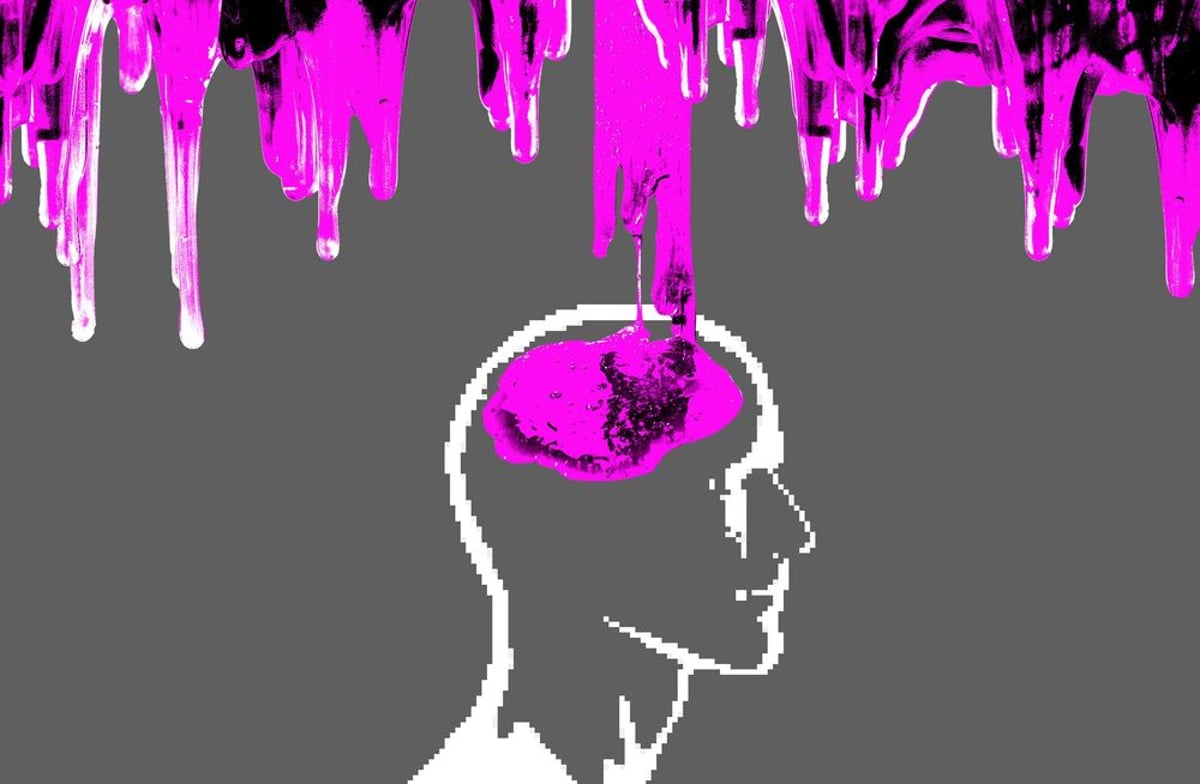
"Like slime, sludge, and muck, slop has the wet sound of something you don't want to touch," Merriam-Webster wrote in its official announcement. "The word sends a little message to AI: when it comes to replacing human creativity, sometimes you don't seem too superintelligent." It's a rare moment of personality from a dictionary institution, and it hints at something deeper than just language tracking. This is how the internet is processing its anxiety about the technology reshaping what we consume.
The year 2025 became the moment when the industry's schism over AI content became impossible to ignore. On one side, you have platforms that decided slop needed to be actively resisted. YouTube tightened its monetization policies to crack down on AI spam. Wikipedia implemented community-driven speediness deletion protocols to catch AI-generated articles before they took root. Spotify required AI tracks to disclose their origin, while Pinterest added AI image labels and filters to help users identify generated content. These platforms made an implicit bet that their audiences don't want the internet filled with indiscriminate machine output.
But then there's everyone else. Meta quietly launched dedicated apps that turned AI-generated video streams into an actual product you could scroll through like any other feed. OpenAI, riding high on the success of its Sora video generation tool, did the same thing. Both companies essentially looked at the problem of low-quality AI content and decided to turn it into a feature rather than a bug. They're betting that the experience of consuming streams of AI content - even if that content is objectively mediocre - might be entertaining or useful in ways we haven't fully understood yet.
Then came the Disney move, which somehow managed to be even bolder. The entertainment giant struck a deal to bring Sora-generated videos to its streaming platform while simultaneously taking a billion-dollar equity stake in OpenAI. It's a massive validation of the idea that AI-generated content doesn't need to be artisanal or carefully crafted to have commercial value. It just needs to exist at scale.
This divergence reveals something crucial about where the tech industry actually stands on AI content. The platforms that depend on user-generated content and community trust are rejecting slop. The companies that make the models themselves are embracing it. It's not a bug in their respective business models - it's a fundamental feature. There's money in slop, whether it comes from advertising on feeds stuffed with it, from charging for access to slop-generation tools, or from licensing those tools to entertainment companies.
Merriam-Webster's choice to elevate the term to word of the year matters because it signals something important about culture lag. The technology has been racing ahead for years, but language - actual human language - was still catching up. Now it has. When a formal dictionary institution names your problem, validates that millions of people experience it the same way, and gives it a succinct term, something shifts. "Slop" isn't just a descriptor anymore. It's a judgment. It's the internet's collective shrug at a year when we couldn't stop making and spreading things we ourselves don't actually want to consume.
Merriam-Webster's choice of 'slop' as 2025's word of the year marks a cultural turning point where internet anxiety about AI-generated content finally crystallized into mainstream language. It's a year when the industry fundamentally split - some platforms chose to defend their users from mediocre automation while others decided to commercialize it. That tension, captured perfectly in one wet, unflattering word, is likely to define the next phase of how we interact with technology. The dictionary has spoken, and for once, it sounds almost human.