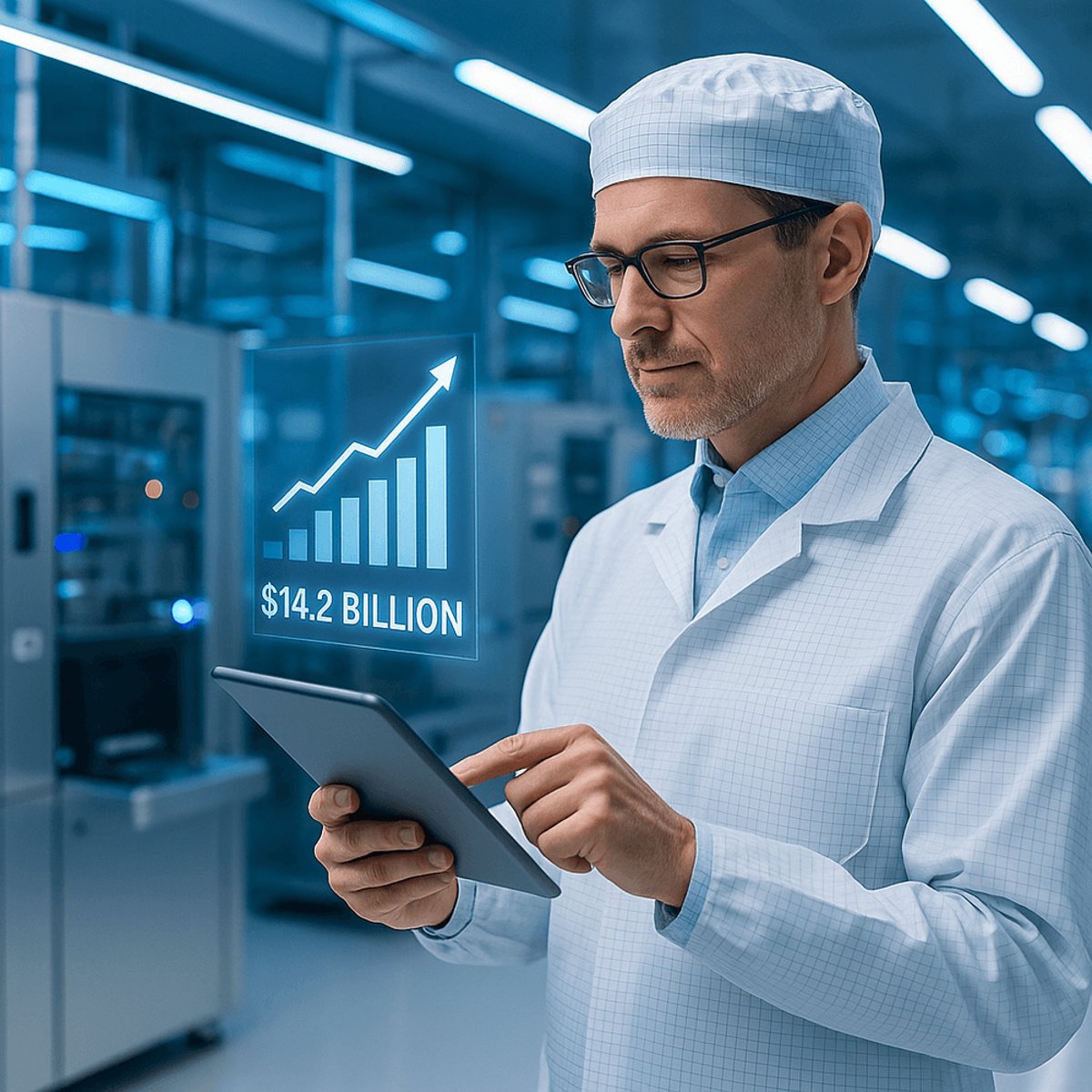
Intel just made its boldest move in years, spending $14.2 billion to buy back full control of its Ireland semiconductor factory from Apollo Global Management. The chipmaker's stock jumped 10% on the news, as investors interpreted the massive repurchase as a sign that Intel's turnaround is gaining real momentum. Just two years after selling nearly half of Fab 34 to raise cash during darker days, the company's willingness to pay a premium to reacquire the facility signals that its foundry ambitions are back on track.
Intel is taking back what it once had to sell. The semiconductor giant announced it's repurchasing the 49% stake in its Ireland manufacturing facility that it offloaded to Apollo Global Management just two years ago, paying $14.2 billion to regain full ownership of Fab 34. The market's response was immediate - Intel shares jumped 10% as investors saw the move as concrete evidence that the company's expensive turnaround strategy is actually working.
The timing tells the whole story. Back in 2024, Intel was scrambling. The company was burning through cash trying to rebuild its manufacturing edge while competitors like TSMC and Samsung dominated the foundry business. Selling half of Fab 34 to Apollo gave Intel the breathing room it desperately needed. Now, flush with renewed confidence and apparently improved finances, the company wants that asset back entirely.
"This repurchase reflects our strengthened financial position and our commitment to owning the critical infrastructure that will power our foundry services," an Intel spokesperson said in a statement to CNBC. The Ireland facility produces some of Intel's most advanced chips and has become increasingly strategic as the company pushes its Intel Foundry Services to compete with pure-play manufacturers.
The $14.2 billion price tag is substantial - nearly double what Apollo likely paid for its stake two years ago, based on typical deal structures. That premium suggests Intel either believes the facility's value has skyrocketed, or the company is willing to pay up to control its manufacturing destiny. Probably both.
Fab 34 has been cranking out chips using Intel's advanced process nodes, and the facility is positioned to play a crucial role in the company's plan to become the world's second-largest foundry by 2030. The Ireland location also gives Intel a manufacturing footprint in Europe at a time when governments worldwide are throwing billions at domestic chip production through initiatives like the EU Chips Act.
Apollo is walking away with what appears to be a tidy profit on a two-year hold. The private equity firm specializes in these sale-leaseback and minority stake deals with capital-intensive companies, and the Intel transaction followed its playbook perfectly - provide liquidity when a company needs it, then exit when conditions improve.
For Intel, the buyback marks a dramatic reversal of fortune from the company's struggles in recent years. After losing its manufacturing lead to TSMC and watching customers like Apple and AMD defect to competitors, Intel embarked on an ambitious plan to catch up technologically while simultaneously building a foundry business to manufacture chips for other companies.
That strategy required massive capital expenditure - Intel has been spending upwards of $25 billion annually on new fabs and equipment. The Apollo deal in 2024 helped fund that buildout without taking on more debt. Now, the fact that Intel can afford to buy back the stake suggests the company's financial position has stabilized significantly.
The stock market's enthusiastic response reflects broader optimism about Intel's trajectory. Shares had been climbing steadily over the past year as the company hit manufacturing milestones and secured major foundry customers. The 10% pop on the buyback news pushed Intel's market cap back above levels not seen since before its struggles began.
Industry analysts see the move as Intel putting its money where its mouth is. "Actions speak louder than roadmaps," one semiconductor analyst noted. "Intel is telling the market it believes in its foundry future enough to spend $14 billion buying back manufacturing capacity instead of returning that cash to shareholders or paying down debt."
The transaction also reflects the wild swings in the semiconductor industry's fortunes. What seemed like a necessary asset sale during a downturn now looks like an opportunity for a strategic buyback during recovery. It's a reminder of how quickly the chip business can shift from feast to famine and back again.
What happens next will determine whether Intel's bet pays off. The company needs to prove it can not only manufacture advanced chips at competitive yields but also attract enough external foundry customers to justify the massive capital investments. Owning 100% of Fab 34 means Intel captures all the upside if the facility becomes a manufacturing powerhouse - but it also means carrying all the risk if demand softens or technical challenges emerge.
Intel's $14.2 billion bet on itself sends a clear signal - the chipmaker believes its darkest days are behind it. By repurchasing full ownership of Fab 34 just two years after selling half to stay afloat, Intel is demonstrating the kind of financial strength and strategic conviction that's been missing for years. The market's 10% endorsement suggests investors are ready to believe in the comeback story. But the real test isn't whether Intel can afford to buy back a fab - it's whether the company can execute on the foundry vision that makes owning these expensive facilities worthwhile. The chip giant has placed its bet. Now it needs to prove the hand plays out.