Oura, the Finnish smart ring maker that's been quietly dominating the wearables space, just filed to go public. The move comes after the company sold 5.5 million rings by September 2025, positioning itself as one of the few hardware startups ready to test public markets. While smartwatches grab headlines, Oura's bet on sleek, subscription-powered sleep tracking could reshape how investors value consumer health tech.
Oura is making its move. The Finnish company filed paperwork to go public today, betting that investors are ready to embrace a hardware business built on subscriptions, sleep data, and a product category it essentially created. According to TechCrunch, the company disclosed it has sold 5.5 million rings as of September, a milestone that transforms what started as a Kickstarter curiosity into a legitimate consumer electronics player.
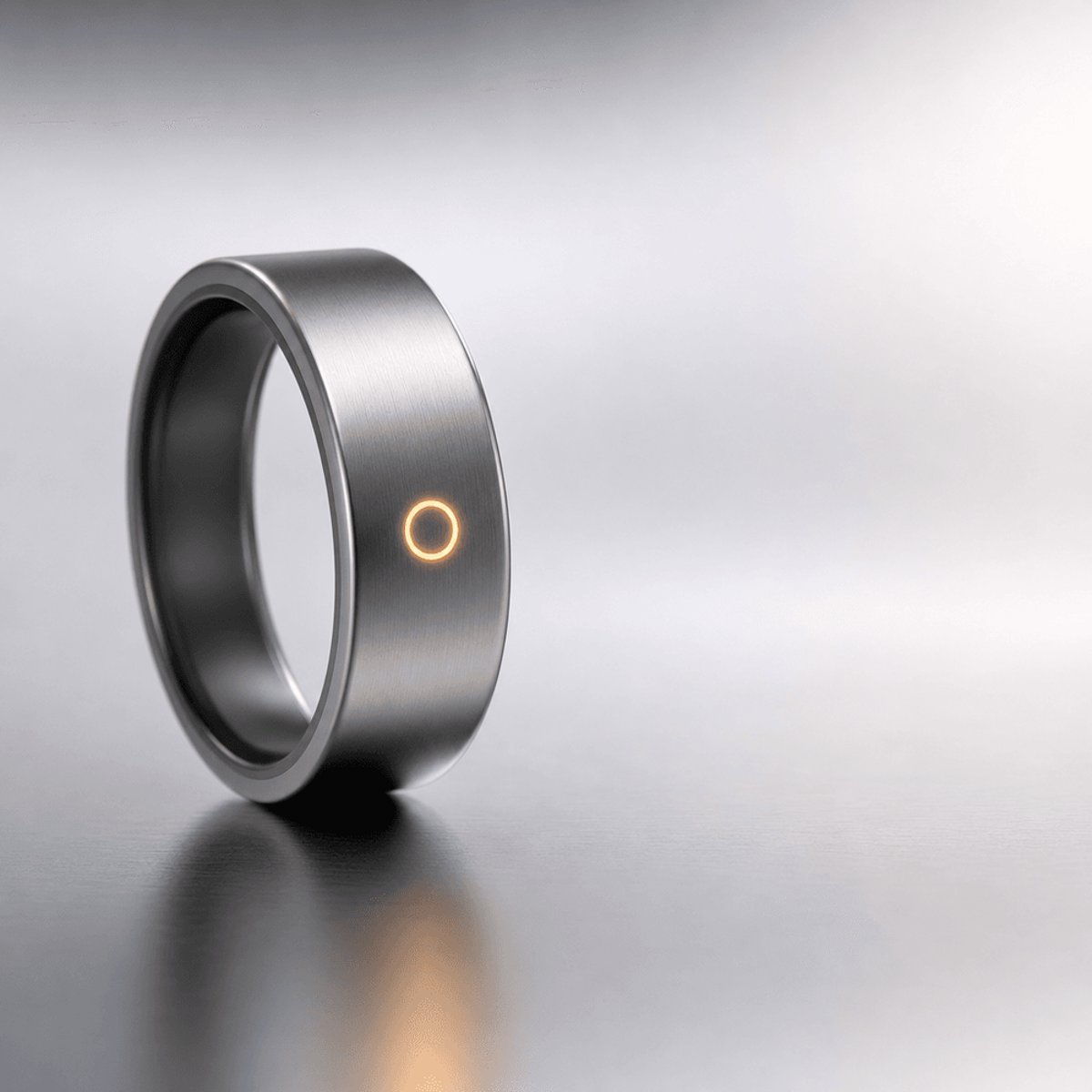
The timing is strategic. Oura enters public markets as wearables shift from step-counting novelties to clinical-grade health monitors. Its Oura Ring - a titanium band packed with sensors that track sleep stages, heart rate variability, and body temperature - has become the go-to device for biohackers, athletes, and anyone obsessed with optimizing recovery. Unlike Apple Watch or Fitbit, Oura doesn't demand daily charging or screen time. You wear it, forget about it, and check your sleep score over morning coffee.
But the real story isn't hardware - it's the subscription model underneath. Oura charges $5.99 monthly for access to its app's full features, turning one-time ring buyers into recurring revenue. That's the pitch to Wall Street: predictable cash flow from a loyal user base willing to pay for insights, not just gadgets. The company hasn't disclosed subscriber counts or revenue figures yet, but with 5.5 million units sold, even modest conversion rates could mean tens of millions in annual recurring revenue.
Oura's path to IPO reads like a masterclass in patience. Founded in Finland in 2013, the company raised over $200 million from investors including The Chernin Group, Forerunner Ventures, and Gradient Ventures. It avoided the hyper-growth-at-any-cost trap that killed hardware darlings like Jawbone and Pebble. Instead, Oura focused on product iteration - the third-generation ring added period prediction and workout heart rate - and celebrity endorsements from figures like Prince Harry and Jack Dorsey that built cult status without mass-market dilution.
The filing drops as competition heats up. Samsung launched its Galaxy Ring earlier this year, bringing smart ring tech to its ecosystem of 300 million Galaxy users. Apple's been rumored to explore the category, though nothing's materialized yet. Oura's first-mover advantage means it owns the brand mindshare - when people think smart rings, they think Oura - but it also faces the classic innovator's dilemma: defend turf against giants with infinite resources or expand fast enough to stay ahead.
Investors will scrutinize Oura's unit economics. Hardware startups live or die on margins, and titanium rings with custom sensors aren't cheap to manufacture. The subscription model helps, but only if retention stays high. Churn rates, customer acquisition costs, and lifetime value will determine whether Oura's valued like a hardware commodity or a SaaS business in ring form. Early wearables IPOs like Fitbit struggled post-debut as growth stalled; Oura needs to prove it's different.
The IPO also tests appetite for consumer hardware after years of drought. Outside of Apple and Samsung, the category's been dominated by acquisitions - Google bought Fitbit, Amazon scooped up Blink - not public offerings. If Oura prices well and sustains momentum, it could open doors for other hardware companies sitting on the sidelines. If it stumbles, it reinforces the narrative that hardware belongs inside big tech ecosystems, not as standalone public companies.
Oura hasn't announced pricing, share count, or exchange details yet. The filing kicks off a roadshow where CEO Tom Hale will pitch institutional investors on why a Finnish company selling $300 rings deserves a spot in their portfolios. Expect the pitch to lean heavily on health data as the new oil, subscription resilience, and international expansion potential - Oura's strongest in the US and Europe but barely scratched Asia.
For now, the company's betting that Wall Street sees what early adopters already know: wearables don't need screens to be sticky, and sometimes the best tech disappears into your daily routine. Oura's ring does that better than anything else on the market. Whether that translates into public market success is the next chapter in a story that started with a crowdfunding campaign and might end with a Nasdaq ticker.
Oura's IPO filing marks a rare moment when hardware innovation meets public market scrutiny. The company built something genuinely different - a wearable people actually want to wear - and wrapped it in a business model investors understand. Whether that's enough to thrive as a public company depends on execution, retention, and proving that smart rings aren't a niche curiosity but the next phase of wearables. With Samsung circling and Apple watching, Oura's about to find out if being first means winning, or just being the one that validated the category for bigger players to dominate.