LG just dropped a bombshell ahead of CES, unveiling an entirely new line of gaming monitors that position AI upscaling as the must-have feature for high-end displays. The UltraGear evo lineup brings three flagship models unified by 5K resolution and AI-powered image enhancement, signaling that the gaming monitor space is about to get a lot smarter. Here's what gamers need to know about LG's latest play.
LG just made a major play in the gaming monitor space. The South Korean display maker announced a fresh lineup of UltraGear evo gaming monitors on Friday, and they're not messing around with the specs. Each model in this new generation brings 5K resolution and what LG is calling "world-first AI upscaling" technology - a feature that's becoming impossible to ignore in the tech industry right now.
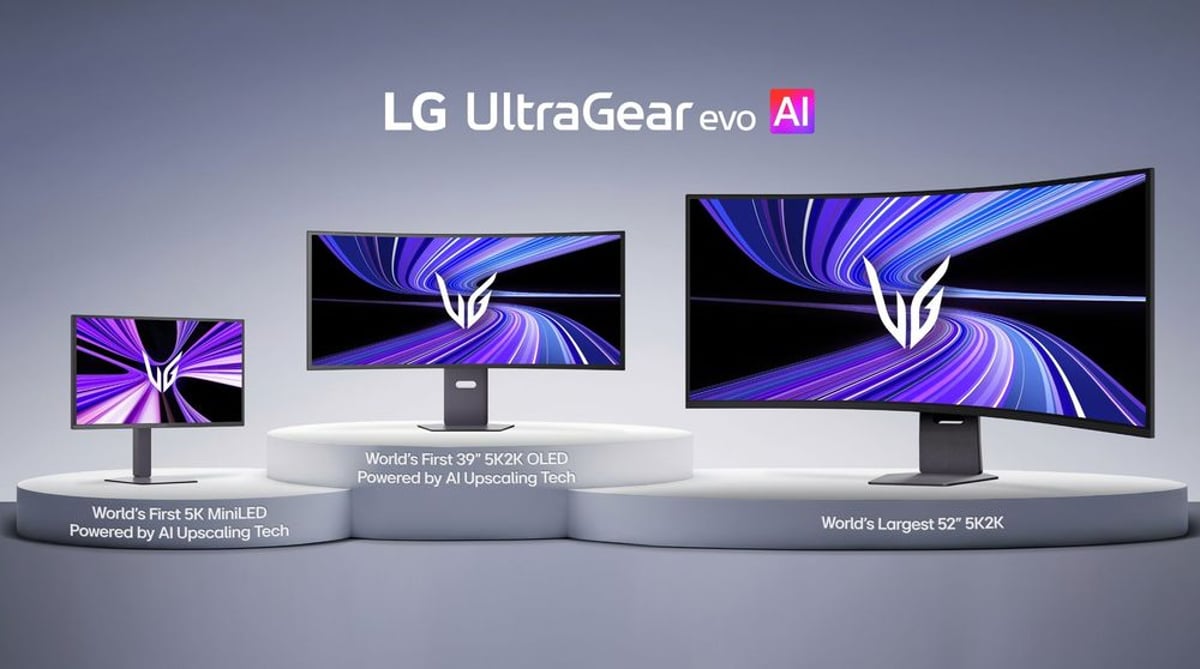
Three flagships anchor this launch, and they cover nearly every gaming preference imaginable. The 39GX950B is a 39-inch ultrawide beast running a 21:9 aspect ratio with 5K2K resolution. Here's the clever part: it's built with an OLED display that can push 165Hz at full resolution for those who want pristine image quality, or jump to 330Hz at lower resolution for competitive gamers who need every frame they can get. That dual-mode flexibility is exactly what high-end gaming is becoming.
The 27-inch GM9 takes a different approach with what LG is branding as "New" MiniLEDs. The company's pitching this as the best of both worlds - brighter images than OLED without the blooming problems that have plagued MiniLED implementations. That's important because it suggests LG has actually solved a real problem that's been nagging the display industry. The GM9's particularly interesting because LG makes the panels for Apple's Pro Display XDR, and there's chatter that Apple's legendary monitor is finally getting a much-needed refresh soon. This new panel tech could be a preview of what's coming.
Then there's the absolute unit: the 52-inch G9. Imagine a curved gaming monitor so massive it dominates your entire desk setup. This thing delivers a 12:9 panoramic view at 240Hz in its native 5K2K resolution. That's almost surreal when you think about it - we're talking about a display that covers your entire field of vision with a frame rate most gaming rigs could barely dream of hitting a few years ago.
What ties all three together is the AI upscaling angle. We're living in an era where every hardware maker is slapping AI somewhere into their product, but here it actually makes sense. Gaming at 5K is demanding, especially at high refresh rates. AI upscaling lets you render games at lower resolution and scale them up intelligently without the usual blurriness you'd get from traditional upscaling. That's a legitimate way to squeeze more performance without nuking visual quality - which is the eternal gaming trade-off.
The timing is classic tech industry theater. LG's holding all three monitors for display next month at CES, which means we'll get hands-on time with these things before the rest of the industry moves. That's when the real details will emerge - pricing, exact availability, performance benchmarks, the whole story. Right now, LG is being tight-lipped about those specifics, which usually means they're either trying to preserve surprise or still figuring out the pricing strategy.
What's interesting about this launch is how it reflects where the entire gaming hardware space is headed. A year ago, AI upscaling was a software feature. Now it's becoming a hardware selling point baked into the display itself. This isn't purely marketing - it's actually useful technology that solves real performance problems for gamers. The question is whether LG's AI implementation is meaningfully better than what Nvidia or AMD can do in software, or if this is mostly about having something to talk about during the CES keynote.
LG's UltraGear evo launch signals that the premium gaming monitor space is entering a new phase where AI upscaling isn't a gimmick - it's table stakes. Whether you're chasing frame rates, pristine image quality, or just want the most immersive gaming setup possible, LG has built something for you here. The real test comes next month at CES when hands-on reviews will determine whether the AI upscaling lives up to the hype, and whether these monitors justify the premium price tags that almost certainly accompany 5K gaming displays. Until then, expect this to be the opening salvo in what'll probably become a race among display makers to bake their own AI smarts into gaming monitors.