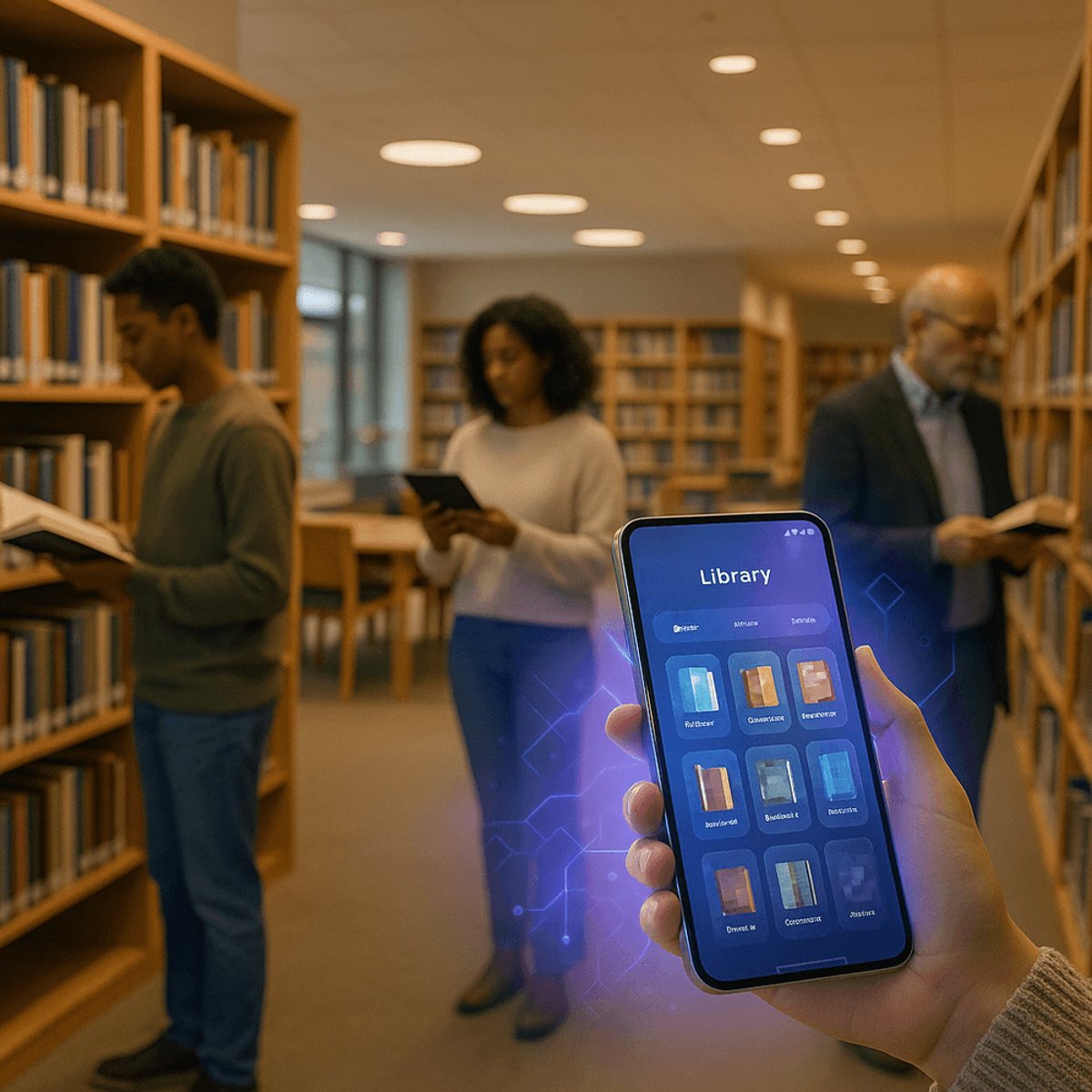
Library e-book app Libby just rolled out its controversial "Inspire Me" AI feature, triggering immediate backlash from readers and librarians who are questioning whether artificial intelligence belongs in their beloved reading sanctuary. The generative AI tool promises to surface book recommendations from local library collections, but critics worry it's another unnecessary AI insertion into spaces that worked perfectly well without it.
OverDrive just inserted AI into one of the last bastions of analog discovery – the local library experience. The company's Libby app, used by millions to borrow e-books and audiobooks from their local libraries, quietly rolled out "Inspire Me," a generative AI feature that's already dividing the reading community.
The backlash was swift and pointed. Librarians took to social media expressing frustration at yet another AI insertion into spaces that functioned beautifully through human curation. Reddit users discovered the feature during its soft launch earlier this month, sparking debates about whether AI recommendations can match the nuanced understanding of a skilled librarian.
"Inspire Me uses responsible AI integration to help patrons dive deeper into the incredible catalogs their local libraries have curated," OverDrive Chief Marketing Officer Jen Leitman told TechCrunch in a statement clearly anticipating the controversy. "It's not about replacing human insight, it's about making discovery easier, smarter, and more intuitive."
The feature works through a guided prompt system on Libby's home page. Users select fiction or nonfiction, then narrow recommendations using descriptive tags like "spine-tingling" or "amusing." The AI can generate suggestions for oddly specific scenarios – think "dark humor about modern family dysfunction" or "time travelers rescue dragons from medieval knights." The system returns five relevant titles from the user's local library's digital collection, prioritizing immediately available books.
OverDrive went to significant lengths to address privacy concerns that have plagued other AI implementations. According to the company's AI policy document, user details and reading activity aren't shared with AI models. When users leverage saved tags for recommendations, the AI only receives book titles – not personal information, device details, or tag descriptions.
But the privacy protections haven't quelled the fundamental resistance. The controversy reflects a broader tension in consumer AI adoption – the gap between what companies think users want and what devoted communities actually value. Library users and librarians have spent decades perfecting discovery through human connection, staff picks, and community recommendations.
The timing is particularly fraught for AI adoption. While major tech companies race to embed AI everywhere, consumer backlash is mounting against unnecessary AI features that feel more like marketing checkboxes than genuine improvements. Amazon faced similar criticism for AI-generated product reviews, and Netflix users regularly complain about algorithm-driven recommendations missing the mark.
OverDrive's challenge now is proving "Inspire Me" adds genuine value rather than replacing the human-centered discovery that makes libraries special. The company soft-launched the feature through a "#InspireMe" search function, allowing early users to test it before the official September rollout to all Libby users.
The library tech space has traditionally moved cautiously with new features, prioritizing functionality over flashy additions. This makes OverDrive's AI push particularly bold – and potentially risky if the backlash intensifies as more users gain access to the feature.
OverDrive's "Inspire Me" feature represents a critical test case for AI adoption in beloved consumer apps. While the company has addressed privacy concerns and emphasized complementing rather than replacing human curation, the early user resistance suggests successful AI integration requires more than technical competence – it demands proving genuine value to communities that already have trusted discovery methods. The September rollout will reveal whether users embrace AI-powered book discovery or continue favoring the human touch that has defined library culture for generations.