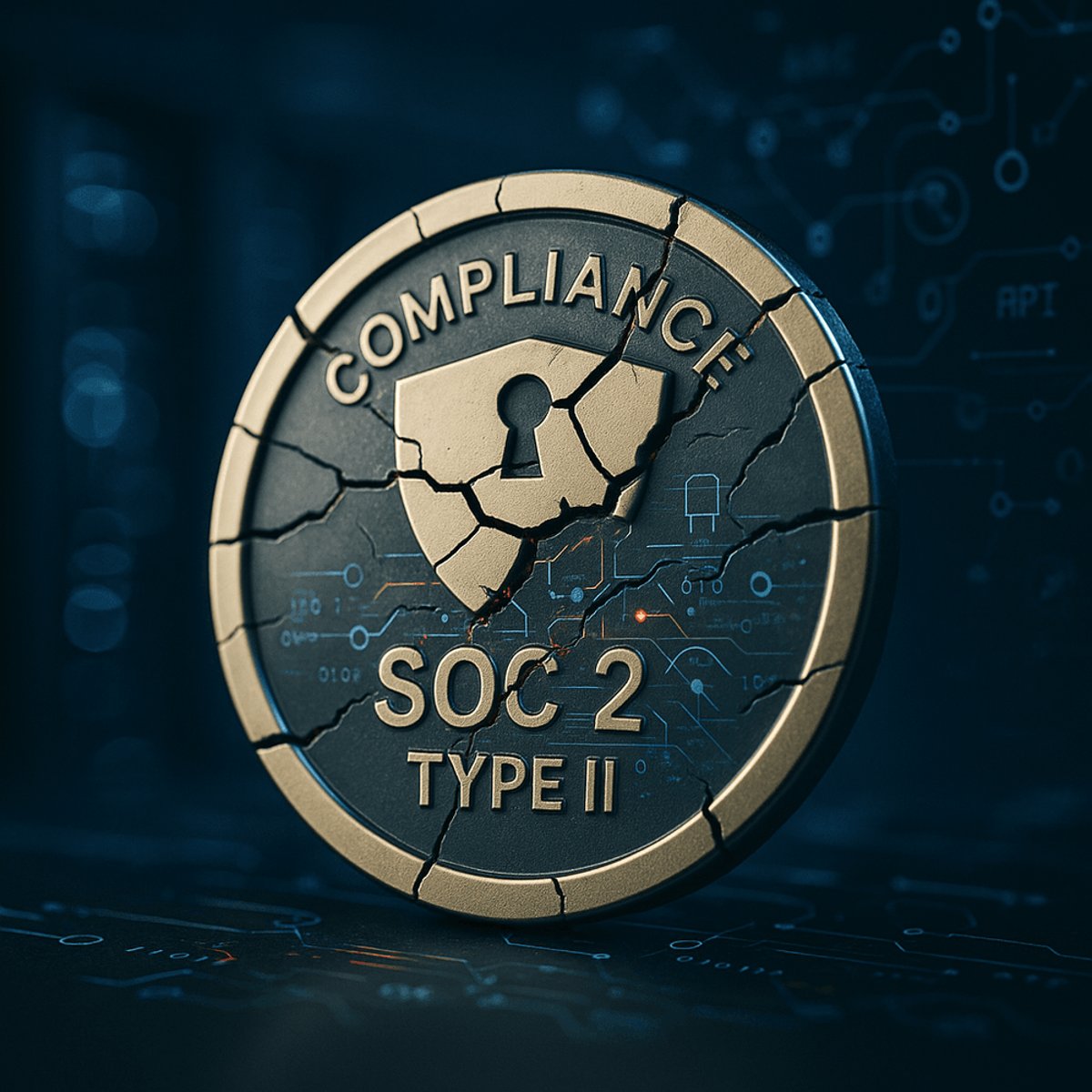
The fallout from Delve's compliance shortcuts just claimed its first major victim. LiteLLM, a popular AI gateway startup used by thousands of developers to manage large language model access, severed ties with the controversial security compliance vendor after falling prey to credential-stealing malware last week. The breach raises alarm bells about the rush for security certifications in AI startups, where founders are increasingly pressured to fast-track SOC 2 and ISO compliance to close enterprise deals.
LiteLLM, which provides API gateway services for developers building AI applications, disclosed the security incident in a terse blog post Monday evening. The company confirmed that attackers had stolen authentication credentials and accessed customer API keys through malware that infiltrated its systems. Within hours of containing the breach, LiteLLM's leadership made the decision to immediately drop Delve, the compliance automation startup that had helped them achieve their security certifications.
The timing couldn't be worse for Delve. Just last week, TechCrunch reported on whistleblower allegations claiming the company was rubber-stamping security audits without proper verification. Now those accusations have materialized into real-world consequences, with LiteLLM joining what sources say is a growing exodus of customers questioning whether Delve's streamlined approach to compliance actually delivers security.
"We take full responsibility for this incident," LiteLLM co-founder Krrish Dholakia wrote in the company's disclosure. "We're conducting a complete review of our security infrastructure and partnerships." The statement didn't explicitly blame Delve, but the decision to terminate the relationship speaks volumes about where leadership believes the vulnerabilities originated.
LiteLLM had proudly displayed its SOC 2 Type II and ISO 27001 certifications on its website - badges increasingly required to land contracts with enterprise customers wary of AI security risks. According to sources familiar with the matter, LiteLLM obtained both certifications through Delve's platform in under 60 days, a timeline that typically takes companies six months to a year through traditional auditors.
The credential-stealing malware, which security researchers are still analyzing, appears to have exploited gaps in LiteLLM's access controls and monitoring systems - precisely the areas that SOC 2 audits are designed to scrutinize. Industry experts say this disconnect between certification and actual security posture reflects a broader problem in the startup ecosystem.
"Everyone wants the compliance badge to check the box for enterprise sales, but not everyone wants to do the actual work," a security engineer at a competing AI infrastructure company told me, speaking on condition of anonymity. "Services like Delve promised you could have both - fast certifications and real security. This incident suggests that's not always true."
The breach impacted an undisclosed number of LiteLLM customers who use the platform to route requests across multiple AI providers including OpenAI, Anthropic, and Google's Gemini. LiteLLM has begun notifying affected customers and recommends they rotate all API keys and credentials as a precaution.
For Delve, the LiteLLM incident represents a nightmare scenario. The company had raised $8 million in seed funding last year on the promise of democratizing security compliance for resource-strapped startups. Investors including Andreessen Horowitz and Y Combinator backed the vision that automated compliance could be both faster and more rigorous than traditional approaches.
But the whistleblower allegations and now this breach suggest Delve may have optimized for speed at the expense of thoroughness. Multiple sources in the compliance industry say they've heard similar concerns from other Delve customers, though few are willing to speak publicly while they assess their own security postures.
Delve did not respond to requests for comment on the LiteLLM breach or the company's decision to end their partnership. The startup's website remains live, though several prominent customer logos that were previously featured have been quietly removed.
The incident puts pressure on other AI startups that rushed through compliance certifications to meet investor or customer demands. Security experts say companies should treat their certifications as starting points, not finish lines, and invest in ongoing monitoring and improvement regardless of which vendor helped them achieve initial compliance.
For LiteLLM, the path forward involves rebuilding trust with customers who chose the platform partly because of those security badges. The company says it's engaging a traditional Big Four auditing firm to conduct a comprehensive security assessment and will pursue fresh certifications through more established channels.
The breach also highlights the unique security challenges facing AI infrastructure companies. Unlike traditional SaaS platforms, AI gateways handle sensitive prompts and responses that may contain proprietary business data, personal information, or trade secrets. A credential compromise doesn't just expose user accounts - it potentially leaks the intellectual property flowing through those AI interactions.
Industry watchers say expect this to accelerate scrutiny of compliance vendors across the board. Enterprise buyers are already asking tougher questions about how startups achieved their certifications and demanding evidence of actual security practices beyond the paperwork.
The LiteLLM breach marks a turning point for the compliance-as-a-service industry and the AI startups that rely on it. As enterprise adoption of AI tooling accelerates, the gap between certification theater and actual security can no longer be papered over with slick automation platforms and 60-day audit timelines. For founders racing to prove their security bona fides, the message is clear: shortcuts in compliance don't just risk your certifications - they risk your entire business and your customers' data. The real question now is how many other Delve customers are quietly reassessing their security posture before they become the next headline.