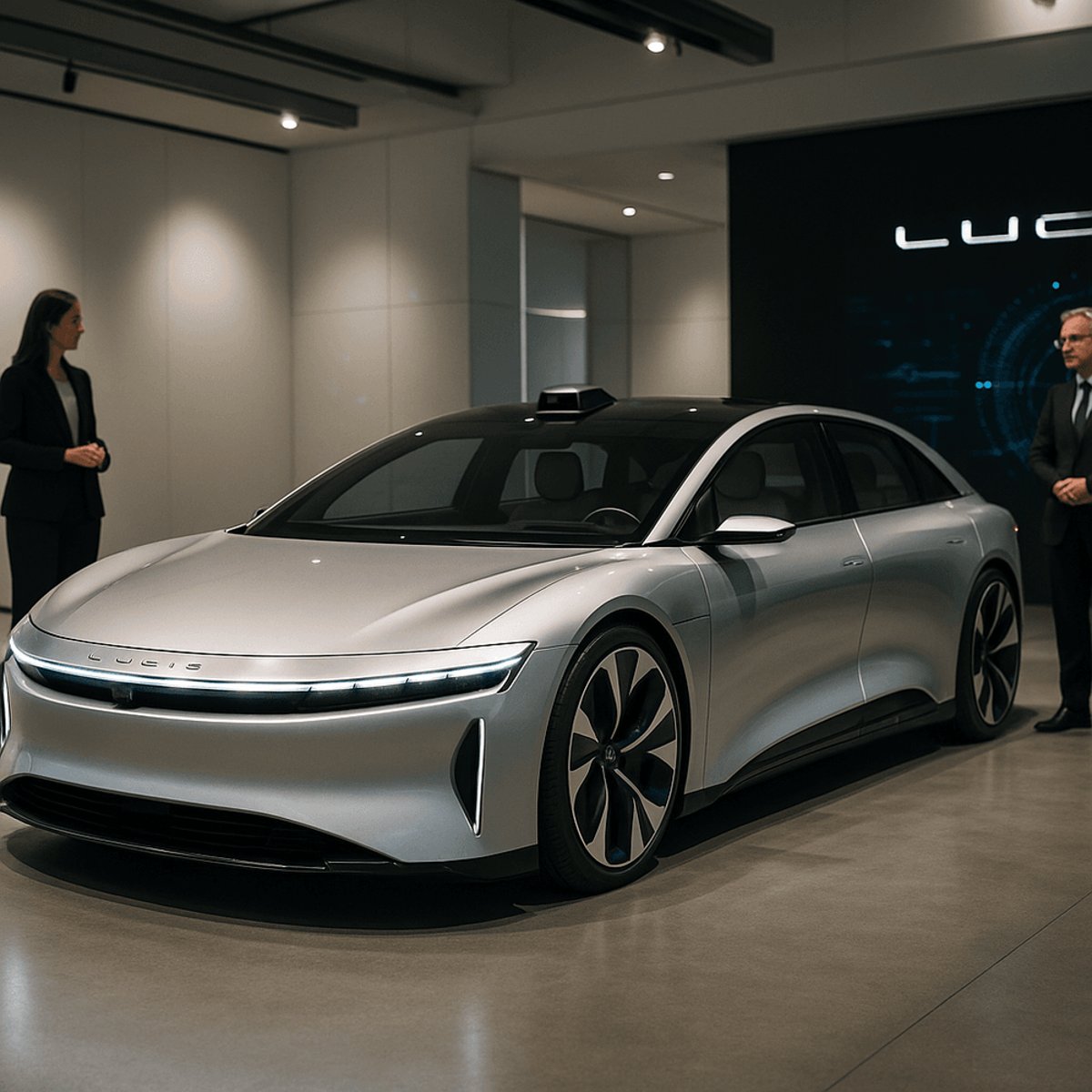
Lucid Motors just threw its hat into the robotaxi ring. The struggling EV maker unveiled 'Lunar,' an autonomous vehicle concept, during its investor day presentation today, signaling a dramatic strategic shift toward self-driving technology. The move comes as the luxury electric carmaker races to expand beyond its premium Air sedan into more affordable vehicles while Wall Street watches its cash reserves dwindle.
Lucid Motors is making a bold bet on autonomy at a time when the company can least afford distractions. The California-based EV maker pulled back the curtain on Lunar, a sleek robotaxi concept that represents the company's vision for autonomous mobility, during its investor day presentation in Silicon Valley. The reveal marks a significant strategic pivot for a company that's spent the past few years fighting production delays and hemorrhaging cash.
The Lunar concept showcases Lucid's signature design language—flowing lines, aerodynamic efficiency, and a focus on interior space optimization. But the real story isn't the styling. It's what the vehicle represents: Lucid's conviction that its advanced electric architecture and software capabilities can translate into a competitive autonomous vehicle platform. The company has been relatively quiet about its self-driving ambitions until now, focusing instead on perfecting its luxury Air sedan and preparing to launch the Gravity SUV.
According to the investor day presentation materials, Lucid plans to leverage its in-house developed electric platform and advanced driver assistance systems as the foundation for full autonomy. The company has been building out its software team over the past 18 months, though it remains far behind Tesla's years of real-world data collection and Waymo's operational robotaxi fleet.
The timing of this announcement is fascinating. The robotaxi market has become a bloodbath of burned capital and missed promises. Cruise suspended operations after a series of accidents, while Waymo is still the only player operating a commercial service at any meaningful scale. Tesla keeps promising its robotaxi network is just around the corner, but regulatory approvals and technical challenges continue to push timelines. Now Lucid wants a piece of this chaotic pie.
What makes Lucid think it can succeed where others have struggled? The company is betting on its technical advantages in electric vehicle architecture. Lucid's Air sedan boasts industry-leading efficiency and range, achievements that stem from its advanced powertrain and battery management systems. The company argues that this technological foundation, combined with purpose-built autonomous hardware, could allow it to leapfrog competitors who are retrofitting existing vehicles.
But there's a massive gap between building an efficient EV and deploying a safe, reliable robotaxi fleet. Autonomous driving requires vast amounts of training data, sophisticated AI models, and years of testing. Waymo has logged millions of autonomous miles. Tesla has data from millions of vehicles on the road. Lucid has a concept car and ambitious plans.
The investor day also featured updates on Lucid's push into more affordable EVs, a critical priority for a company that's been criticized for focusing too heavily on the luxury segment. The company previewed plans for a mid-size sedan positioned to compete with Tesla's Model 3 and upcoming affordable offerings from Mercedes and BMW. Pricing details remain scarce, but the company indicated it's targeting a sub-$50,000 entry point by 2027.
This dual-track strategy—pushing into autonomy while simultaneously expanding its consumer EV lineup—is ambitious to the point of risky. Lucid reported less than $2 billion in cash reserves at the end of last quarter, and the company continues to burn hundreds of millions per quarter. Developing autonomous technology isn't cheap. Cruise and Waymo have collectively consumed billions in investment capital.
Investors didn't react enthusiastically to the presentation. Lucid's stock remained relatively flat in after-hours trading, suggesting Wall Street is taking a wait-and-see approach. The company has a track record of ambitious announcements followed by delayed execution, and skepticism is warranted.
Still, there's something intriguing about Lucid's timing. The autonomous vehicle sector is at an inflection point. The technology is improving rapidly, regulatory frameworks are slowly taking shape, and consumer acceptance is growing. If Lucid can leverage its engineering expertise and Saudi Arabian backing to accelerate development, it might carve out a niche in the premium robotaxi segment.
The Lunar concept also signals that Lucid is thinking beyond just selling cars to individual consumers. The company appears to be positioning itself as a potential technology supplier or partner for autonomous fleet operators. This B2B strategy could provide a more realistic path to profitability than trying to build and operate its own robotaxi network from scratch.
What remains unclear is the timeline. Lucid didn't provide specific dates for when Lunar might move from concept to testing to deployment. The company also didn't detail its approach to sensor suites, AI training, or regulatory strategy—all critical components of any serious autonomous vehicle program.
Lucid's Lunar robotaxi concept is either a visionary bet on the future of mobility or a costly distraction for a company still struggling to master large-scale EV production. The dual strategy of pushing into autonomy while expanding into affordable EVs makes strategic sense on paper—diversifying revenue streams and positioning for long-term technology shifts. But execution is everything, and Lucid's track record of production delays and cash burn raises legitimate questions about whether it can deliver on these ambitious promises. The next 18 months will reveal whether Lunar represents a genuine technological leap or just another concept car gathering dust in the archive. For now, investors and competitors alike are watching to see if Lucid can translate its engineering prowess into autonomous reality.