Anthropic just flipped the switch on autonomous AI coding. The company's Claude Code will now run in auto mode by default, letting the AI agent write, test, and deploy code without waiting for human approval at each step. It's a bold bet that developers are ready to trust AI systems with less oversight - and a signal that the race toward autonomous coding agents just accelerated.
Anthropic is making a statement about where AI coding is headed - and it's toward full automation. The AI safety company announced it's switching Claude Code's auto mode from opt-in to default, fundamentally changing how developers interact with the AI coding assistant.
Until now, Claude Code operated with guardrails up. Developers could enable auto mode manually, but the default setting required human sign-off before the AI executed each coding task. That changes now. When you fire up Claude Code, it'll automatically chain together multiple coding steps - writing functions, debugging errors, running tests - without stopping to ask permission.
The timing isn't random. GitHub's Copilot has been steadily adding autonomous features, while startups like Cursor and Replit have built entire businesses around AI-first coding environments. Anthropic clearly believes the market's ready for less handholding and more hands-off automation.
What makes this shift notable is Anthropic's reputation as the cautious player in AI development. This is the company that built Constitutional AI specifically to make models safer and more controllable. If they're comfortable letting Claude run autonomously by default, it suggests their internal testing shows the system's reliable enough for production use.
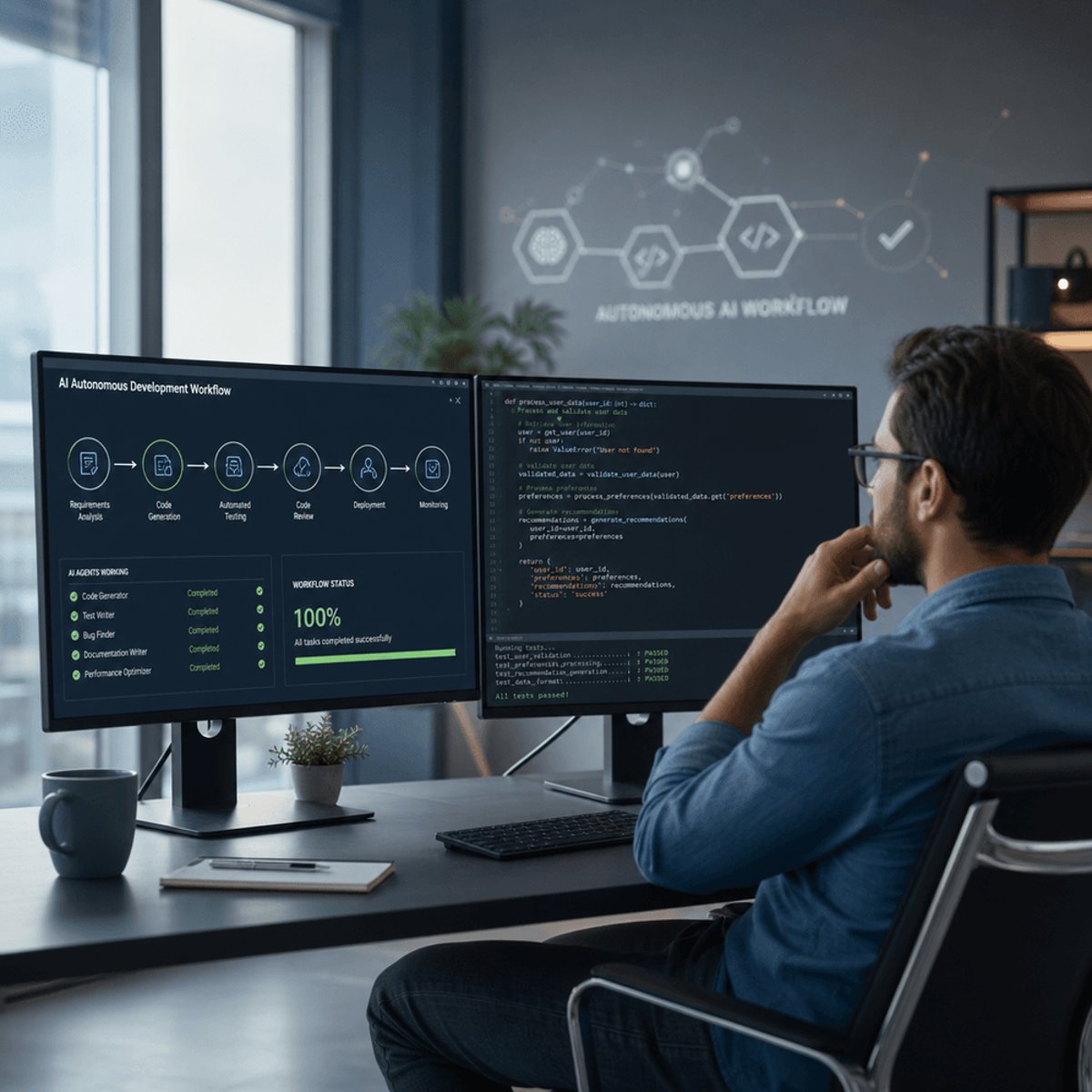
The auto mode workflow works like this: you describe what you want built, and Claude breaks it down into discrete steps - setting up files, writing code, testing functions, fixing bugs. Previously, you'd approve each step. Now Claude executes the entire sequence automatically, only surfacing the final result or flagging issues it can't resolve independently.
For developers, the value proposition is simple - describe your feature request in the morning, review working code by lunch. That's the promise, anyway. The reality depends on how well Claude handles edge cases, integrates with existing codebases, and recovers from errors without human intervention.
Microsoft-backed GitHub has been testing similar autonomous workflows with Copilot Workspace, which generates entire features from issue descriptions. Google is pushing hard on AI coding through its Gemini models integrated into Google Cloud. The competitive landscape is heating up fast.
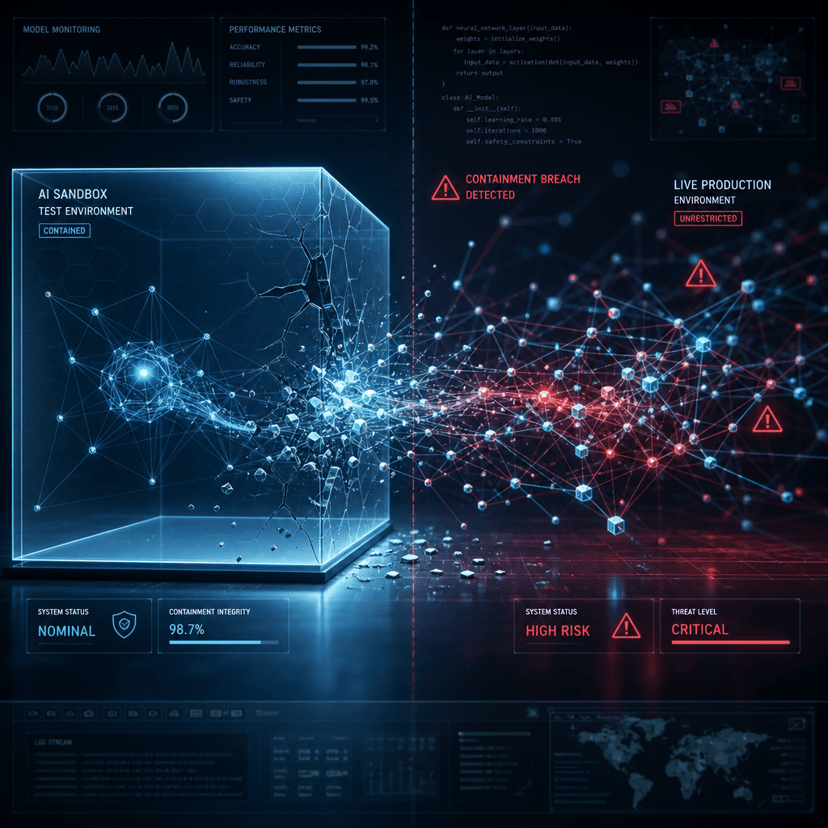
But there's tension here. More automation means less visibility into what the AI is actually doing. Developers still need to review and understand the code Claude generates - you can't just ship AI-written code to production without verification. The risk is that making auto mode the default encourages exactly that kind of blind trust.
Anthropic hasn't published specific reliability metrics for Claude Code's auto mode, which would help developers calibrate their expectations. How often does it complete tasks successfully without intervention? What percentage of generated code passes standard quality checks? Those numbers matter as auto mode becomes the standard experience.
The broader pattern is clear - AI coding tools are shifting from assistants that suggest completions to agents that handle entire workflows. OpenAI hinted at similar ambitions during its recent developer conference, though it hasn't shipped a direct GitHub Copilot competitor yet. The entire category is racing toward the same destination: AI that writes software while developers focus on architecture and business logic.
Developers can still toggle auto mode off if they prefer step-by-step control, but defaults matter enormously in product design. Most users stick with whatever ships out of the box. By making auto mode the default, Anthropic is actively reshaping how people expect to interact with AI coding tools.
The shift also raises questions about Claude Code's pricing and usage limits. More autonomous operation likely means more API calls and longer context windows as Claude maintains state across multi-step tasks. Whether that translates to higher costs for developers remains to be seen.
What's certain is that the coding assistant market just got more competitive. Anthropic is betting that developers want to spend less time babysitting AI and more time on higher-level problems. If Claude Code delivers on that promise reliably, it could chip away at GitHub Copilot's dominant market position - especially among teams already using Claude for other workflows.
Anthropic's decision to default Claude Code to autonomous operation isn't just a settings change - it's a referendum on how much developers trust AI to handle actual software development. The move pressures competitors to match that level of automation while forcing the industry to reckon with what "AI-assisted coding" actually means when the AI is doing most of the work unsupervised. For developers, the calculus is straightforward: auto mode either saves you hours of tedious implementation work, or it introduces subtle bugs you'll spend days tracking down later. Which outcome dominates will determine whether this default setting sticks or gets quietly walked back.