Lyft is finally catching up to its bigger rival. The rideshare company launched teen accounts nationwide today, more than two years after Uber rolled out the same feature in May 2023. CEO David Risher isn't apologizing for the delay, instead positioning Lyft's late entry as deliberate - the company wanted to perfect safety features and communication tools that set it apart in an increasingly competitive market where autonomous vehicles are reshaping the entire industry.
Lyft just handed parents a new way to get their teenagers around town - but it's hardly breaking new ground. The rideshare company officially launched teen accounts nationwide today, a feature that competitor Uber has been operating for more than two years.
CEO David Risher addressed the elephant in the room during the announcement, telling CNBC that the company "wanted to get it right" rather than rush to market. "We've been really thoughtful as we've talked to parents and teens to come up with a product that meets what they both want," he said.
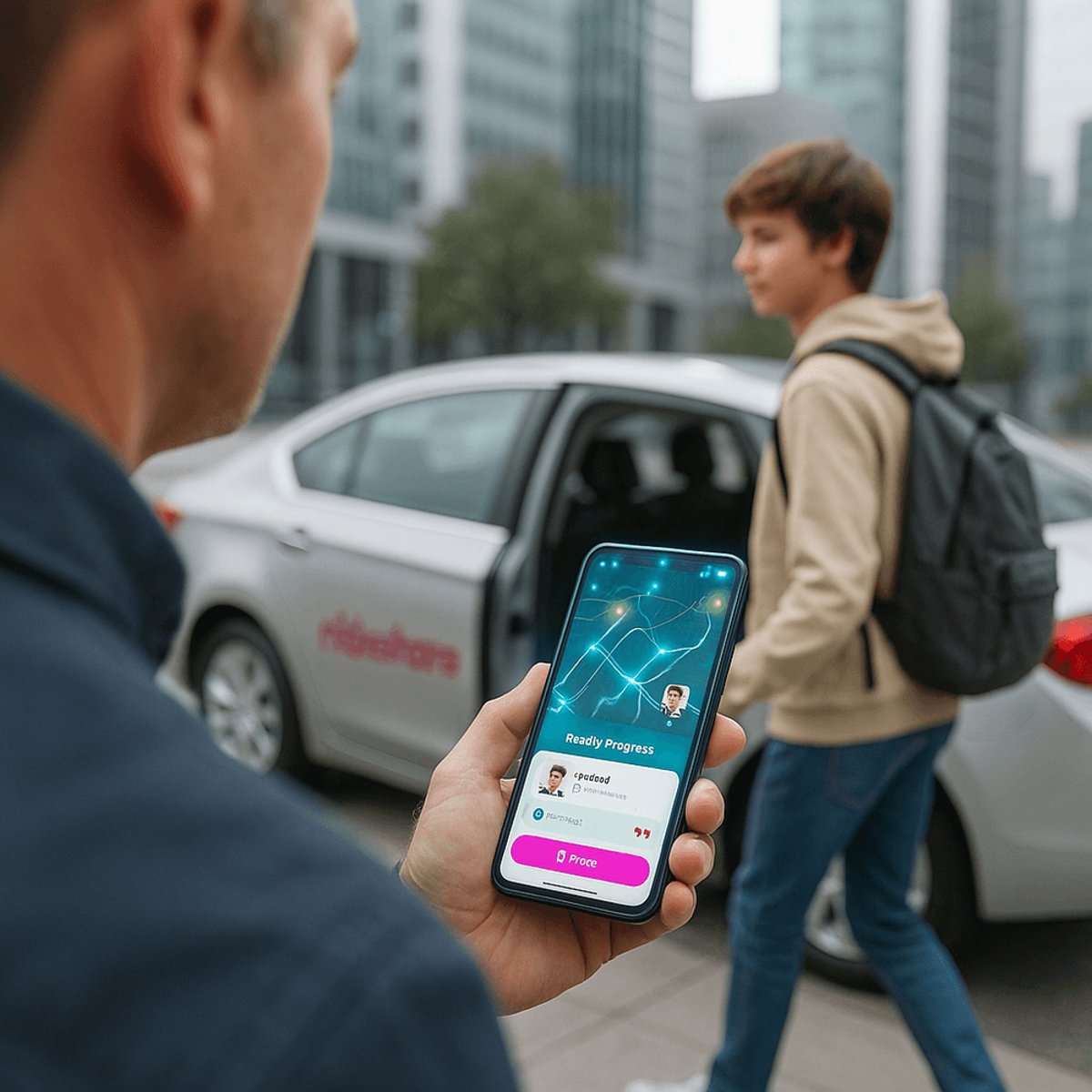
The new program matches passengers between 13 and 17 with carefully vetted drivers who maintain high star ratings and haven't been blocked by a significant number of riders. Safety features include pin verification before rides begin, real-time tracking that parents can monitor, and automatic ride recordings. It's Lyft's attempt to differentiate in a market where Uber has already expanded teen accounts to more than 50 countries since launching the service in May 2023.
But the teen accounts launch is just one piece of a much larger strategic puzzle for Lyft. The company is simultaneously trying to expand its traditional rideshare business while navigating the seismic shift toward autonomous vehicles - a transformation that's threatening to upend the entire industry.
Bloomberg first reported last month that Lyft was working on the teen feature, prompting Risher to confirm on X that the rollout would hit hundreds of cities in early 2026. The timing comes as Lyft pushes into new markets through acquisitions, including its $200 million purchase of European taxi app Freenow last year and the acquisition of a global chauffeuring service.
Yet it's the autonomous vehicle race that's keeping Risher up at night. Alphabet-backed Waymo has seized the early lead in the U.S., operating driverless rides in major markets like San Francisco, Los Angeles, and Phoenix. The company surpassed 450,000 paid rides by December 2025, according to CNBC reporting, and is now testing in New York City with safety drivers behind the wheel. Waymo even launched its own teen accounts last summer, another area where competitors beat Lyft to market.
Uber isn't sitting still either. The rideshare giant has partnered with Waymo to offer robotaxi rides and signed a six-year autonomous vehicle deal with Lucid and startup Nuro in July. Tesla launched a robotaxi pilot in Austin last year and recently began testing fully driverless rides without safety monitors, CEO Elon Musk confirmed on X.
Lyft's response has been more cautious. The company previously partnered with Mobileye and is currently working with Tensor Robocar, which uses Nvidia technology, with plans to launch autonomous services in 2027. Lyft will also begin offering Waymo rides in Nashville this year, essentially becoming a platform for other companies' AV technology.
"Our goal is to create the best possible experience for riders and, frankly, the lowest cost way for AV tech to be deployed on the platform," Risher told CNBC. But his assessment of the timeline reveals just how early-stage he believes the technology remains. Risher said it would be "quite extraordinary" if autonomous rides accounted for 10% of Lyft's business by 2030 - a notably conservative projection given the aggressive expansion by Waymo and competitors.
The CEO emphasized that Lyft is in an "awesome" position to address future autonomous demand, but acknowledged the reality of significant regulatory and technical hurdles that remain. It's a measured stance from a company that's been playing catch-up in multiple areas, from teen accounts to driverless technology.
For now, Lyft is betting it can compete on execution and safety rather than being first to market. The teen accounts launch gives parents in hundreds of cities a new rideshare option for their teenagers, complete with the communication and safety tools that Risher says distinguish the service. Whether that's enough to close the gap with Uber - or prepare for a future dominated by autonomous vehicles - remains the critical question facing the company.
Lyft's teen accounts launch signals the company's willingness to follow rather than lead in key product categories, but CEO Risher is framing the delay as strategic patience. The real test isn't whether parents embrace supervised rides for teenagers - Uber already proved that market exists across 50 countries. It's whether Lyft can build a sustainable autonomous vehicle strategy while competitors like Waymo rack up hundreds of thousands of paid rides and Tesla pushes full autonomy in major markets. Risher's conservative 10% AV projection for 2030 suggests he's managing expectations in a race where Lyft is clearly behind, betting that platform partnerships and careful execution will matter more than being first.