The decentralized social network's decade-long founder is handing over the reins in what represents the most significant leadership overhaul in Mastodon's history. Eugen Rochko is stepping down as CEO as part of the organization's transition to nonprofit status, with Felix Hlatky taking over as Executive Director under a new board structure that includes Twitter co-founder Biz Stone.
The creator of Mastodon is walking away from the CEO chair he's occupied for a decade, marking a pivotal moment for the decentralized social network that's positioning itself as the anti-billionaire alternative to platforms like X and Threads. Eugen Rochko announced his departure as part of the organization's broader transformation into a nonprofit structure, a move that's been months in the making and represents the platform's biggest bet on long-term sustainability.
Felix Hlatky, who's been consulting for Mastodon pro bono during the transition, steps into the Executive Director role immediately. The restructuring places the platform under a board of directors that reads like a who's who of tech veterans, including Twitter co-founder Biz Stone, activist Esra'a Al Shafei, and Karien Bezuidenhout. It's a deliberate move to distribute power beyond a single founder - something that's become increasingly rare in today's tech landscape.
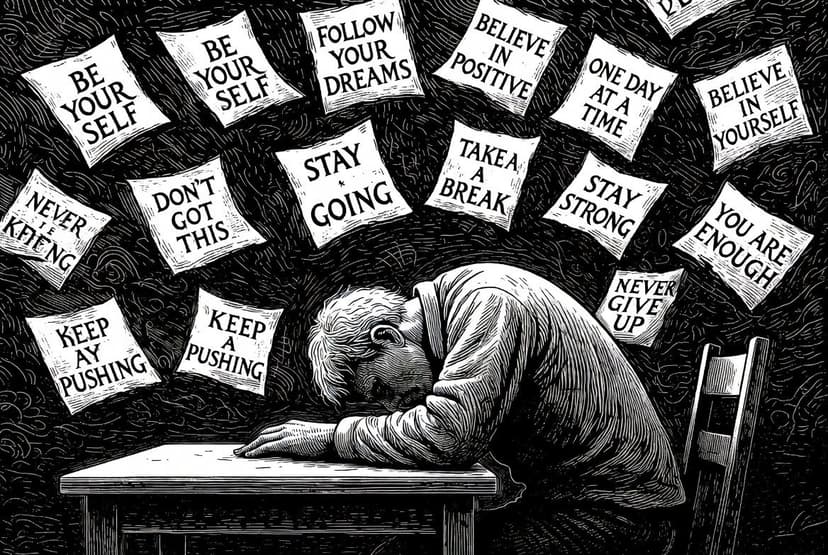
"[Mastodon has] become kind of synonymous with my identity," Rochko told TechCrunch in explaining his decision. "I can't look somewhere and see something about social media without thinking about how it affects my work. I want it to succeed. And it's led to a lot of stress, and obviously, it ultimately led to burnout."
The timing couldn't be more critical. While Mastodon once surged to 2 million monthly active users during the chaos following Elon Musk's Twitter acquisition, those numbers have since settled to under 1 million. Meanwhile, competitor Bluesky has rocketed to 40 million registered users, though both platforms see significantly smaller active user bases than their registration numbers suggest.
Rochko's burnout admission stands in stark contrast to Silicon Valley's current AI-era hustle culture, where founders are embracing China's intense "996" work schedule and work-till-you-drop mentalities. "I definitely think that investing all of your time in work is not healthy, because afterwards, you're going to be left with nothing," he said, offering a rare moment of vulnerability from a tech founder.
The nonprofit transition unlocks new funding streams, particularly in Europe where Hlatky sees opportunities with governments and institutions. The organization has already secured over €3 million from notable backers including Stack Exchange founder Jeff Atwood and his family (€2.2 million), Stone himself, alternative app marketplace AltStore (€260,000), and Craigslist founder Craig Newmark. Rochko received a one-time €1 million payment as compensation for years of below-market salary while building the platform.
Hlatky brings a finance and business background along with a growing disillusionment with traditional venture capital. "It works for the outliers, but for all the others, it doesn't work," he explained. "I just got bored with the system, and I didn't really see any meaning in contributing to the system anymore." His mandate includes expanding Mastodon's new hosting and moderation services business while engaging more with politicians, journalists, and industry stakeholders.
The restructuring represents more than just a leadership change - it's a philosophical statement in an era of increasing platform consolidation under billionaire control. Both Mastodon and Bluesky have adopted "billionaire-proof" as their rallying cry, though they're taking different technical approaches with competing protocols (ActivityPub versus AT Protocol).
"Threads, Instagram, and Facebook belong to a billionaire. X belongs to a billionaire," Rochko noted. "All of these platforms belong to extremely rich people, and they're increasingly using these platforms to steer public perception, public conversation, and politics. And Mastodon is one of the very few - if not the only - of these organizations and social media platforms that is not subject to something like that."
The organization is completing a complex international nonprofit setup, transitioning from a German entity that lost its nonprofit status to a Belgian AISBL structure, while maintaining a U.S. 501(c)(3) that currently holds trademarks and assets. It's bureaucratic complexity that reflects the challenges of building truly global, decentralized platforms outside traditional corporate structures.
Rochko's departure signals a new chapter for decentralized social media, one that tests whether platforms can truly operate outside the billionaire-controlled ecosystem dominating today's internet. With monthly active users trailing both traditional and emerging competitors, Mastodon's nonprofit gamble represents a different path forward - one that prioritizes long-term sustainability over rapid growth. Whether this approach can compete in an attention economy increasingly dominated by algorithmic feeds and venture-backed competitors remains the defining question for the fediverse's future.