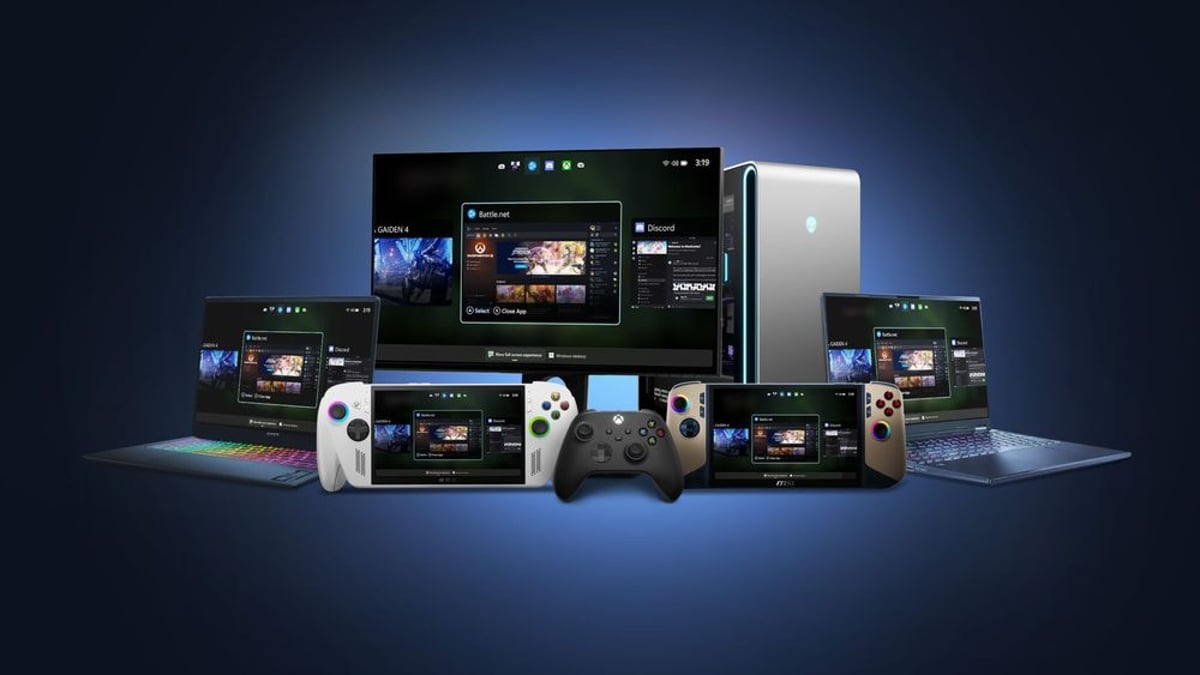
Microsoft is rolling out its Xbox Full Screen Experience to all Windows PCs, bringing console-style gaming navigation beyond handheld devices. The move signals the company's bigger push to blur the lines between Xbox and PC gaming, potentially reshaping how millions interact with their game libraries.
Microsoft just made a quiet but significant move in its gaming strategy. The Xbox Full Screen Experience (FSE), which transforms your PC into something that feels more like an actual Xbox console, is now expanding beyond handheld devices to regular laptops, desktops, and tablets.
The timing isn't coincidental. As PC gaming continues its explosive growth and handheld gaming PCs like the Steam Deck gain traction, Microsoft is betting that console-style navigation will appeal to a much broader audience than just handheld users.
"Hover over the Task View icon on your taskbar and choose Xbox full screen experience," Microsoft explains in its Windows Insider blog. Users can also access it through Game Bar settings or by pressing Win + F11 to toggle the experience.
The FSE first launched with the Xbox Ally and Xbox Ally X handhelds, where it made perfect sense. These devices blur the line between PC and console gaming, and having a controller-optimized interface was essential. But Microsoft's decision to bring this to traditional PCs suggests something bigger is happening.
This isn't just about making controller navigation easier - it's about creating a unified gaming ecosystem. When you boot into FSE on your laptop, you're essentially turning it into an Xbox that happens to run Windows. Your game library, achievements, and social features all present themselves in that familiar console format.
The rollout strategy is classic Microsoft: careful and measured. The feature is "gradually rolling out" through Windows Insider Preview Builds on the Dev and Beta channels, according to Xbox Wire's announcement. Even Windows Insiders might not get immediate access, and you'll need the Xbox app from the Microsoft Store to make it work.
This gradual approach makes sense when you consider the potential implications. Microsoft is essentially testing whether PC users want their gaming experience to feel more console-like. The feedback from this Insider rollout will likely shape how aggressively the company pushes FSE to mainstream Windows users.
The competitive angle here is fascinating. While Sony focuses on porting PlayStation exclusives to PC and Steam dominates digital distribution, Microsoft is taking a different approach. Rather than just bringing games to PC, they're bringing the Xbox experience itself.
As of Friday, Microsoft also started rolling out FSE to all Windows-based handhelds, completing the picture. Now whether you're gaming on a traditional desktop, a laptop connected to your TV, or a handheld device, you can get that unified Xbox experience.
The move could have broader implications for PC gaming. If Microsoft succeeds in making the Xbox interface feel natural on traditional PCs, it might encourage more console gamers to consider Windows devices as their primary gaming platform. That's especially important as the lines between console generations continue to blur and cloud gaming becomes more prevalent.
For now, this remains an experiment limited to Windows Insiders. But if the response is positive, don't be surprised to see FSE become a standard Windows 11 feature, turning every PC into a potential Xbox.
Microsoft's expansion of Xbox Full Screen Experience to all Windows PCs represents more than just a UI update - it's a strategic move to unify gaming across the Windows ecosystem. By making every PC feel like an Xbox, Microsoft is positioning itself uniquely in the PC gaming landscape while testing whether console-style interfaces can win over traditional PC users. The success of this Insider rollout could determine whether we see a fundamental shift in how Windows handles gaming.