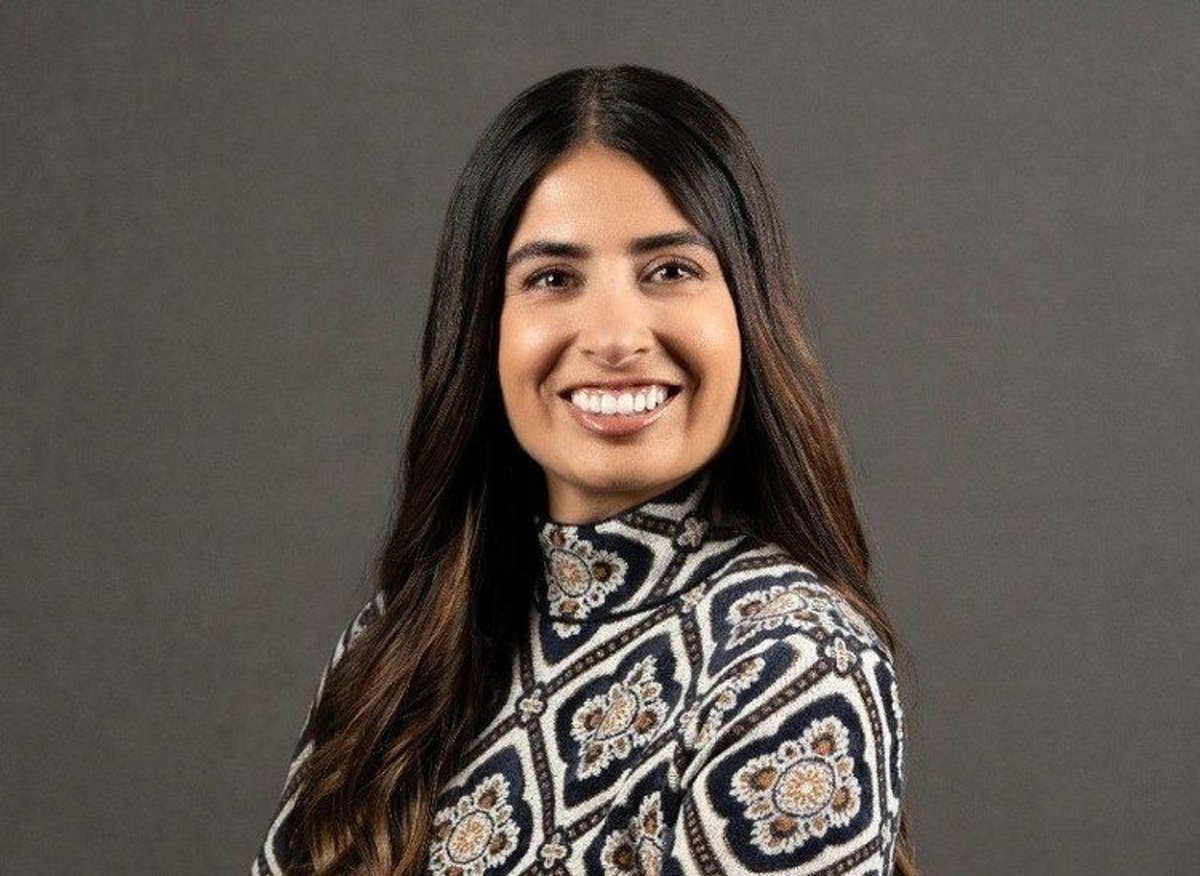
Microsoft just dropped a bombshell in the gaming world. Phil Spencer is leaving after 12 years running Xbox and nearly four decades at the company, and his replacement signals a dramatic shift in strategy. Asha Sharma, who most recently led Microsoft's AI enterprise development teams, takes the helm with a background spanning Meta's messaging empire and Instacart's operations. Her first internal memo promises "the return of Xbox" and expansion into "new categories and markets," leaving the gaming industry wondering what an AI-focused executive will do with one of gaming's biggest platforms.
Microsoft is betting its gaming future on someone who's never run a gaming division before. The company announced today that Phil Spencer, the face of Xbox for over a decade, is stepping down, and his successor comes from a very different world - artificial intelligence and enterprise software.
Asha Sharma takes over immediately as CEO of Microsoft Gaming, bringing an unusual resume for a gaming executive. She spent the past few years heading development for Microsoft's AI enterprise teams, right in the thick of the company's ChatGPT integration push and enterprise AI buildout. Before that, she was COO at Instacart for three years, managing the grocery delivery giant's operations during its explosive pandemic growth. And before Instacart, she spent four years at Meta running the company's messaging apps including WhatsApp, Messenger, and Instagram Direct.
What's striking isn't just her lack of traditional gaming credentials - it's the timing. Spencer's departure comes as Xbox faces its most uncertain moment in years. The console hardware business continues to struggle against Sony's PlayStation dominance, with PS5 outselling Xbox Series X/S by significant margins in most markets. Microsoft's $69 billion Activision Blizzard acquisition, finalized in 2023, was supposed to be a game-changer but hasn't yet delivered the expected boost to Xbox's market position.
Sharma's first internal memo, obtained by The Verge, offers some clues about where she's headed. She commits to "the return of Xbox" and talks about exploring games in "new categories and markets where we can add real value, grounded in what players care about most." That language - "new categories," "real value" - sounds less like traditional console war rhetoric and more like someone thinking about adjacent opportunities.
The obvious question hanging over this appointment is what AI brings to gaming. Microsoft has been aggressively pushing AI across every division, from Copilot integrations in Office to Azure AI services for enterprises. Gaming has largely remained separate from that push, but Sharma's appointment suggests that's about to change. The possibilities range from AI-powered game development tools that could accelerate content creation to adaptive gameplay experiences that respond to player behavior in real-time.
But there's another angle worth considering. Sharma's operational background at Instacart and messaging experience at Meta suggests she knows how to scale platforms and manage massive user bases. Xbox Game Pass, Microsoft's Netflix-for-games subscription service, has been growing but hasn't hit the scale Microsoft hoped for. Someone with Sharma's background in subscription operations and user retention could be exactly what Game Pass needs.
The gaming industry's reaction has been mixed. Developers and Xbox fans are understandably nervous about an outsider taking the reins, especially one without a public track record in gaming. Spencer was beloved in the gaming community precisely because he was a gamer himself, someone who understood the culture and spoke the language. Sharma faces the challenge of proving she gets it too.
Industry analysts see the move as part of Microsoft's broader strategy to blur the lines between gaming, entertainment, and productivity. The company has been pushing cloud gaming through Xbox Cloud Gaming, experimenting with mobile game stores, and building out gaming content for PC. Sharma's cross-platform experience at Meta and her understanding of how AI can enhance user experiences could accelerate all of those initiatives.
What Spencer built over his tenure was impressive - he restored Xbox's reputation after the disastrous Xbox One launch, championed consumer-friendly policies like backward compatibility, and pulled off one of the largest tech acquisitions in history with Activision. But he couldn't solve the fundamental problem: Xbox hardware keeps losing ground to PlayStation. Maybe Microsoft has decided the answer isn't another gaming lifer, but someone who can reimagine what Xbox means in an AI-powered, multi-platform future.
Sharma inherits a division with enormous resources - Microsoft owns some of gaming's biggest franchises including Call of Duty, Halo, Minecraft, and World of Warcraft. She's got first-party studios, a growing subscription service, and the backing of one of tech's most powerful companies. What she does with that in her first year will determine whether this unconventional appointment was brilliant or baffling.
Microsoft is making a calculated gamble that Xbox's future isn't about winning the console wars with better hardware, but about reimagining gaming through AI, cloud services, and cross-platform experiences. Sharma's appointment signals the company sees gaming as part of its broader AI transformation, not as a standalone entertainment business. Whether that vision resonates with gamers who just want great exclusive titles and powerful consoles remains the biggest question mark. The next 12 months will reveal if Microsoft's bet on AI expertise over gaming pedigree pays off, or if the company just alienated the very community it needs to win back.