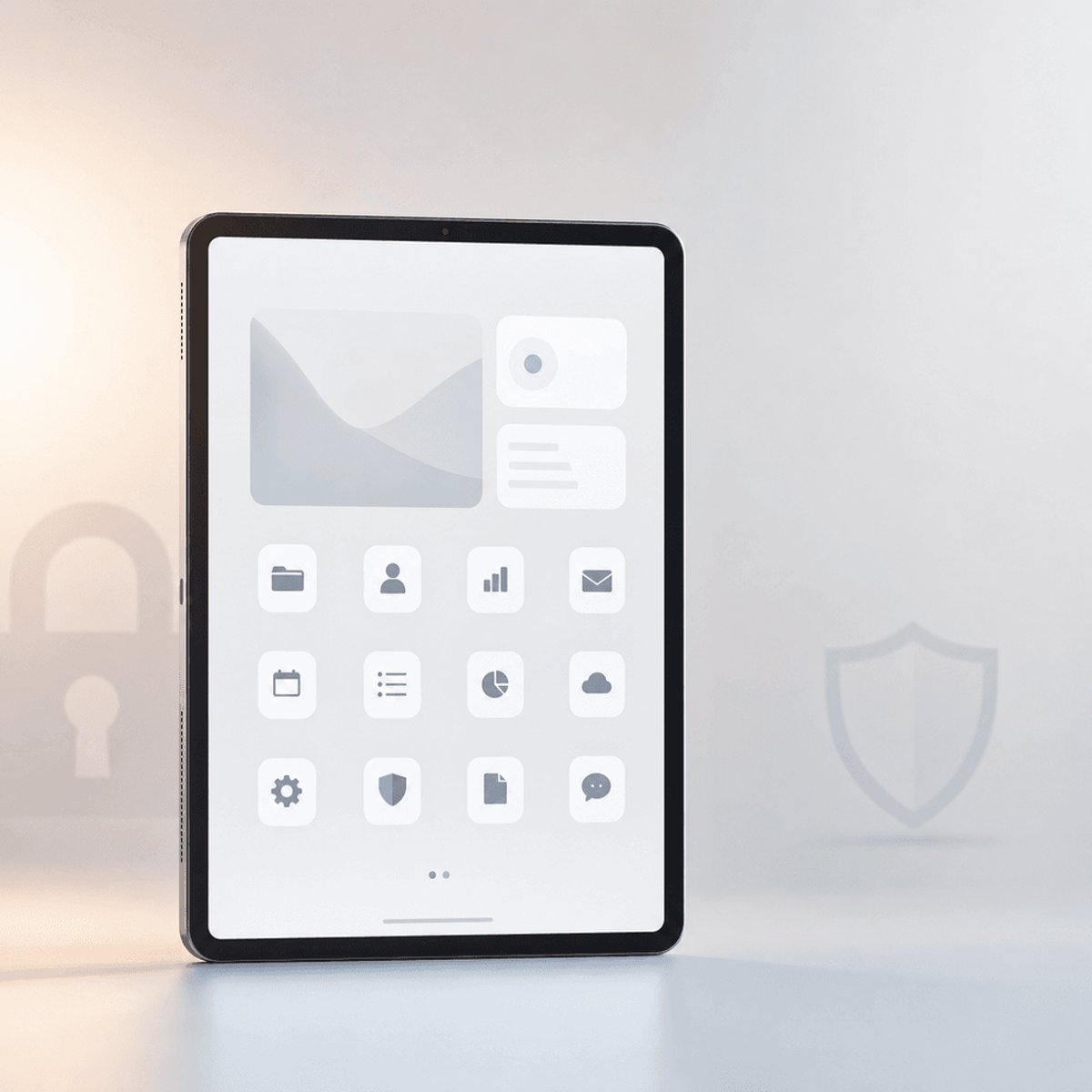
Murena is taking a swing at the tablet market with a device that promises something increasingly rare: complete freedom from Big Tech's ecosystem grip. The company's /e/OS tablet, reviewed by Wired, offers users an alternative to both iPadOS and Android that prioritizes privacy above convenience. But in a market dominated by Apple and Google, that freedom comes with trade-offs and a price tag that might give budget-conscious buyers pause.
The tablet market just got its first serious privacy-first challenger in years. Murena, the company behind the /e/OS mobile operating system, has released a tablet that completely ditches both Apple's and Google's ecosystems in favor of a privacy-centric experience.
According to Wired's hands-on review, the device delivers on its core promise: a tablet experience free from the data collection practices that have become standard in consumer electronics. The /e/OS operating system, built on Android's open-source foundation but stripped of Google services, represents a fundamental rethinking of what a tablet can be when privacy comes first.
But that purity comes with compromises. Without access to the Google Play Store or Apple's App Store, users must rely on alternative app sources and open-source software. For the privacy-conscious user willing to adapt their workflow, that's a feature. For mainstream buyers accustomed to seamless app availability, it's a dealbreaker.
The pricing strategy reveals who Murena is targeting. Rather than undercutting the competition, the company has positioned its tablet as a premium product, betting that privacy advocates will pay extra for digital freedom. It's the opposite approach to what Chinese manufacturers took when challenging the tablet duopoly with budget devices.
This launch arrives at an interesting moment for the tablet market. Apple continues to dominate the premium segment with its iPad line, while Google's Android tablets have struggled to gain meaningful market share outside budget categories. That leaves a potential opening for alternatives, but only if enough consumers are willing to sacrifice ecosystem convenience for privacy guarantees.
The /e/OS approach isn't entirely new. De-Googled Android builds have existed for years, popular among tech enthusiasts and privacy advocates. What Murena brings is a pre-configured, consumer-ready package that doesn't require technical expertise to set up. It's privacy without the command line.
Industry watchers see the tablet as a litmus test for consumer privacy priorities. If it finds an audience beyond hardcore privacy advocates, it could signal that mainstream users are finally willing to trade convenience for control over their data. If it remains a niche product, it confirms what many manufacturers already suspect: most consumers value ecosystem integration over privacy principles.
The competitive landscape isn't standing still either. Apple has been aggressively marketing its privacy features, positioning the iPad as the privacy-friendly choice within the mainstream market. Google has responded with its own privacy initiatives, though critics argue these measures don't fundamentally change the company's data collection business model.
For Murena, success won't necessarily mean outselling the iPad. Capturing even a small percentage of privacy-conscious consumers could validate the business model and encourage other manufacturers to explore similar alternatives. The company is essentially betting that there's a market segment willing to pay for digital independence.
The review suggests the hardware itself is competent, with the real story being the software philosophy. That's both the product's strength and its limitation - it's excellent at what it promises, but what it promises isn't what most tablet buyers are looking for.
The Murena /e/OS tablet represents a meaningful attempt to give consumers an alternative to the Apple-Google duopoly, but its success will depend on whether privacy concerns have evolved from talking points to purchase decisions. The premium pricing strategy suggests Murena isn't trying to convert mainstream users overnight - it's building for a niche that values digital freedom enough to accept ecosystem limitations. Whether that niche is large enough to sustain a hardware business remains the billion-dollar question. For now, the tablet serves as a reminder that alternatives exist for those willing to pay the price, both financially and practically, for escaping Big Tech's orbit.