Netflix is doubling down on vertical video experiments but won't directly compete with TikTok, CTO Elizabeth Stone revealed at TechCrunch Disrupt. The streaming giant plans broader mobile content tests through 2026, signaling a strategic pivot toward "snackable" content without abandoning its core entertainment focus.
Netflix just made its clearest statement yet about where mobile video is heading - and it's not trying to become the next TikTok. Speaking at TechCrunch Disrupt 2025, CTO Elizabeth Stone laid out the company's expanding vertical video strategy while drawing sharp lines around what Netflix will and won't do in the short-form space.
The comments come as streaming platforms face mounting pressure to capture mobile-first audiences. Stone acknowledged this reality head-on, telling the conference audience that consumers sometimes want Netflix's traditional offerings - TV shows, movies, games - but other times crave "something more snackable." That's where vertical video comes in.
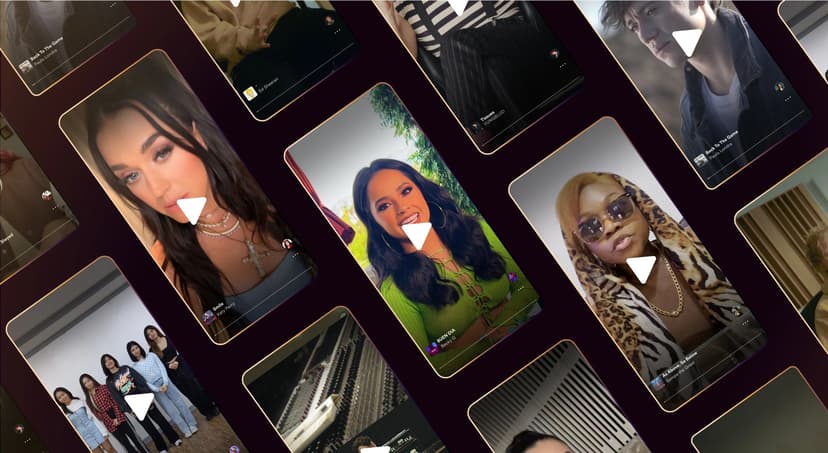
"We're testing a vertical video feed on mobile devices that starts to reimagine what mobile is, and kind of meets consumers where they are now," Stone explained during the Tuesday session. The vertical feed test, first announced earlier this year, currently lets members scroll through clips of Netflix originals - essentially a discovery mechanism to drive viewing of full-length content.
But Stone's comments suggest Netflix has bigger plans brewing. The exec highlighted the company's Moments feature, which allows users to clip and share favorite scenes from shows and movies. While she didn't explicitly confirm it, there's clear potential for seeding these user-generated clips into the vertical feed - creating a more social, shareable experience without departing from Netflix's premium content strategy.
"We've been innovating on Moments, which allows kind of a social connection to some of the content by allowing a member to take a clip and share it with their networks," Stone said. She described it as "a type of short-form experience" that could expand into "different types of content" and "different ways to clip and share content."
The strategic positioning here is crucial. While competitors like YouTube Shorts and Instagram Reels chase TikTok's algorithmic feed model, Netflix is betting on a different approach - using short-form as a gateway to long-form premium content rather than replacing it.
"Netflix is not intending to copy or chase exactly what a TikTok or others are doing because we think that there's a certain type of entertainment - or moment of truth - that's especially valuable to our members," Stone emphasized. "We really want to be focused there, versus trying to be all things at every moment."
This philosophy extends beyond video clips. Netflix's recent partnership with Spotify to distribute podcasts represents another content vertical that could leverage the mobile-first format. Stone noted that some podcast content will be co-exclusive across both platforms, designed to work on mobile and TV.
"We'll use some of these new canvases we have, like vertical video, to start to experiment with new content types - and that includes something we announced more recently, which is podcasts," she said.
The timeline for these experiments is aggressive. Stone confirmed users will see new vertical video features "in the next few quarters and throughout 2026" - suggesting Netflix is moving quickly to establish its mobile content strategy before competitors gain more ground.
For the streaming industry, Netflix's approach represents a fascinating middle path. Rather than launching a standalone short-form app like Disney or completely ignoring mobile trends, Netflix is integrating vertical video into its existing ecosystem. The strategy acknowledges changing viewing habits while protecting its premium positioning.
The broader implications extend beyond Netflix. As traditional streamers grapple with how to compete for mobile attention spans, Stone's comments signal that the future might not be about copying TikTok's model wholesale, but rather finding ways to use short-form content as a bridge to existing strengths.
With Netflix stock up over 40% this year and subscriber growth accelerating globally, the company has room to experiment. The vertical video tests represent a calculated bet that Netflix can expand mobile engagement without diluting its brand or cannibalizing its core viewing experience.
Netflix's vertical video strategy reveals a streaming giant that's adapting to mobile consumption patterns without chasing short-form trends blindly. By integrating vertical content into its existing ecosystem rather than launching a TikTok competitor, Netflix is betting that premium entertainment can coexist with snackable content. The success of this approach over the next year could reshape how traditional media companies think about mobile engagement - proving that you don't always need to copy the competition to stay relevant.