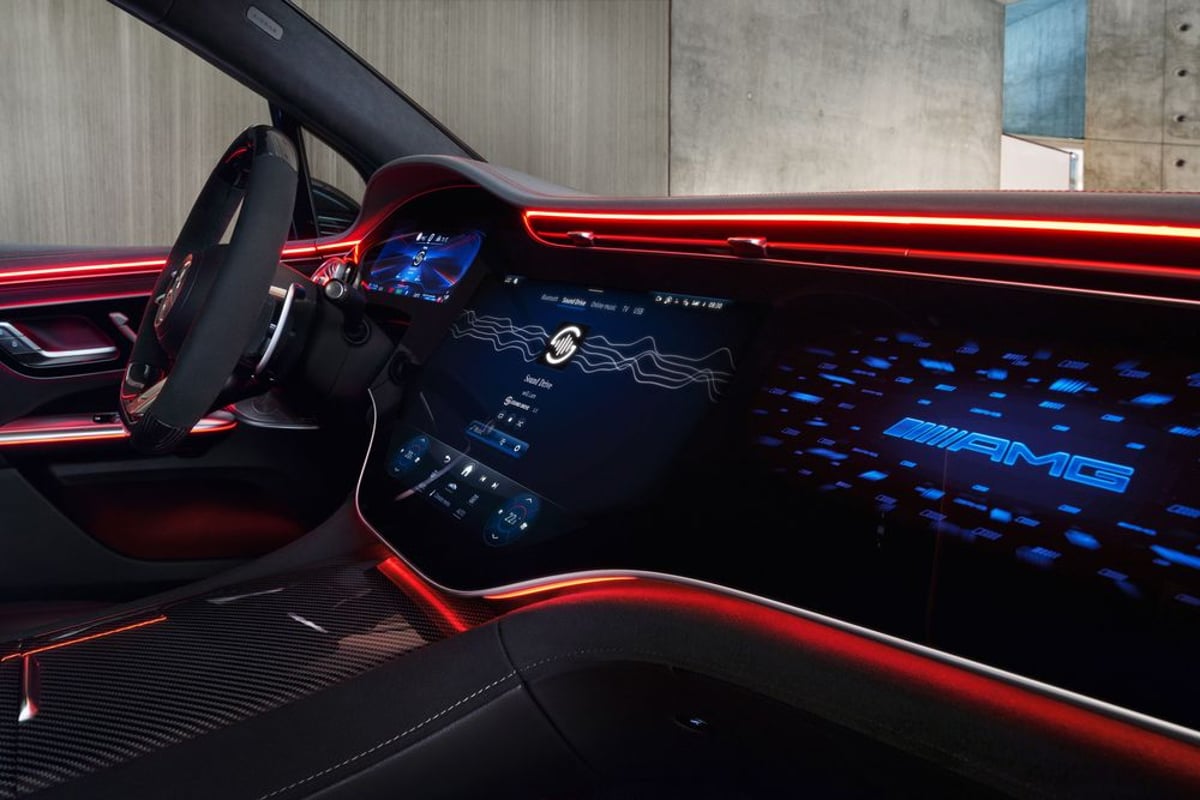
Less than a year after debut, Mercedes-Benz is pulling the plug on MBUX Sound Drive, the ambitious audio feature that synced driving actions to dynamically composed music. Notices hitting customers today confirm the shutdown of what was supposed to be an open platform for artists worldwide. The feature, co-created with Black Eyed Peas frontman Will.i.am, didn't gain the traction the automaker hoped for.
Mercedes-Benz is quietly ending an experiment that looked good on a Vegas stage but couldn't stick the landing in actual cars. The company sent out notices to customers confirming that MBUX Sound Drive, the interactive feature designed to sync music to driving dynamics, will be turned off at year's end. Mercedes spokesperson Cathleen Decker delivered the news matter-of-factly: "In the context of our ongoing review and further strategic development of our portfolio of digital extras, we have decided to deactivate MBUX SOUND DRIVE and remove it from our offerings at the end of this year."
What sounded like a breakthrough moment at CES 2024 - Will.i.am on stage describing the feature as turning the car into its own "orchestra" - is being filed away as a nice experiment that didn't work out. The concept was genuinely clever. The car's sensors would feed real-time driving data through the MBUX operating system to create dynamic audio responses. Accelerate and the bass would thump harder. Brake and the vocals would fade. Recuperation mode, steering angles, EV charging behavior - each trigger could reshape the soundtrack.
Drivers could opt in through their infotainment screen, connecting hardware signals with music software to create what Mercedes-Benz called an "innovative musical experience." The company had grand ambitions, too. It wasn't just Will.i.am's curated tracks. Mercedes-Benz opened an "open music platform" inviting artists worldwide to create their own soundscapes for the various driving functions. The idea was democratizing audio design - any musician could code up their own responsive tracks.
But here's where ambition met reality. The feature only worked with roughly 30 pre-selected tracks. That constraint mattered more than the marketing suggested. Early adopters who got excited at CES found their playlist options laughably limited. A fun gimmick becomes frustrating when you can't add your own music or expand beyond a tiny library. And without a thriving community of musicians building custom tracks, that "open platform" angle evaporated.
There's a pattern emerging in how automakers approach digital extras. They launch with fanfare - partnership with a celebrity, promises of ecosystem expansion, visions of how this will change driving forever. Then reality sets in. User engagement doesn't materialize. The backend infrastructure doesn't attract the developer ecosystem they expected. Maintenance costs keep climbing while usage numbers plateau. The company does a quiet calculation: keep pouring resources into a niche feature or redirect toward the next shiny thing.
Decker's statement about "continuously optimizing offerings and focus on developing future-oriented innovations" is corporate speak for exactly that calculus. Mercedes-Benz isn't saying MBUX Sound Drive was a failure or that the tech was flawed. They're just moving on. The company will maintain its MBUX operating system and other digital services, but this particular experiment gets archived.
What's telling is that this happened so quickly. Most features get a couple years to find their audience, build a user base, justify their existence through data. MBUX Sound Drive barely got through one calendar year. That suggests adoption was particularly dismal or the maintenance burden proved heavier than anticipated. Either way, Mercedes-Benz decided the investment wasn't worth it.
For customers who actually used the feature - and based on the lack of chatter, that's probably a modest number - this is just an annoyance. Their cars will keep working fine without it. The music will still play. The driving experience won't fundamentally change. They'll have one fewer button in their infotainment menu.
But the broader question lingers: if a feature from a company like Mercedes-Benz, backed by a celebrity artist, can't gain traction in less than a year, what does that say about how thoughtfully automakers are building their digital strategies? Are they chasing novelty over substance? Are they launching features without understanding what customers actually want? Or is the bar just really high now - features need genuine utility, not just flashy tech.
Either way, MBUX Sound Drive becomes a cautionary tale about the gap between CES dreams and real-world retention.
Mercedes-Benz's decision to quietly shut down MBUX Sound Drive reveals the messy reality behind automotive tech launches. What looks revolutionary at CES - a car that turns driving into a musical experience - often struggles to survive contact with actual customers and usage data. The feature's quick disappearance isn't necessarily a tech failure, but it does signal that automakers and their partners need to think harder about what digital features actually stick. As the industry continues betting big on infotainment innovations and connected experiences, MBUX Sound Drive becomes a reminder that flashy debuts don't guarantee staying power.