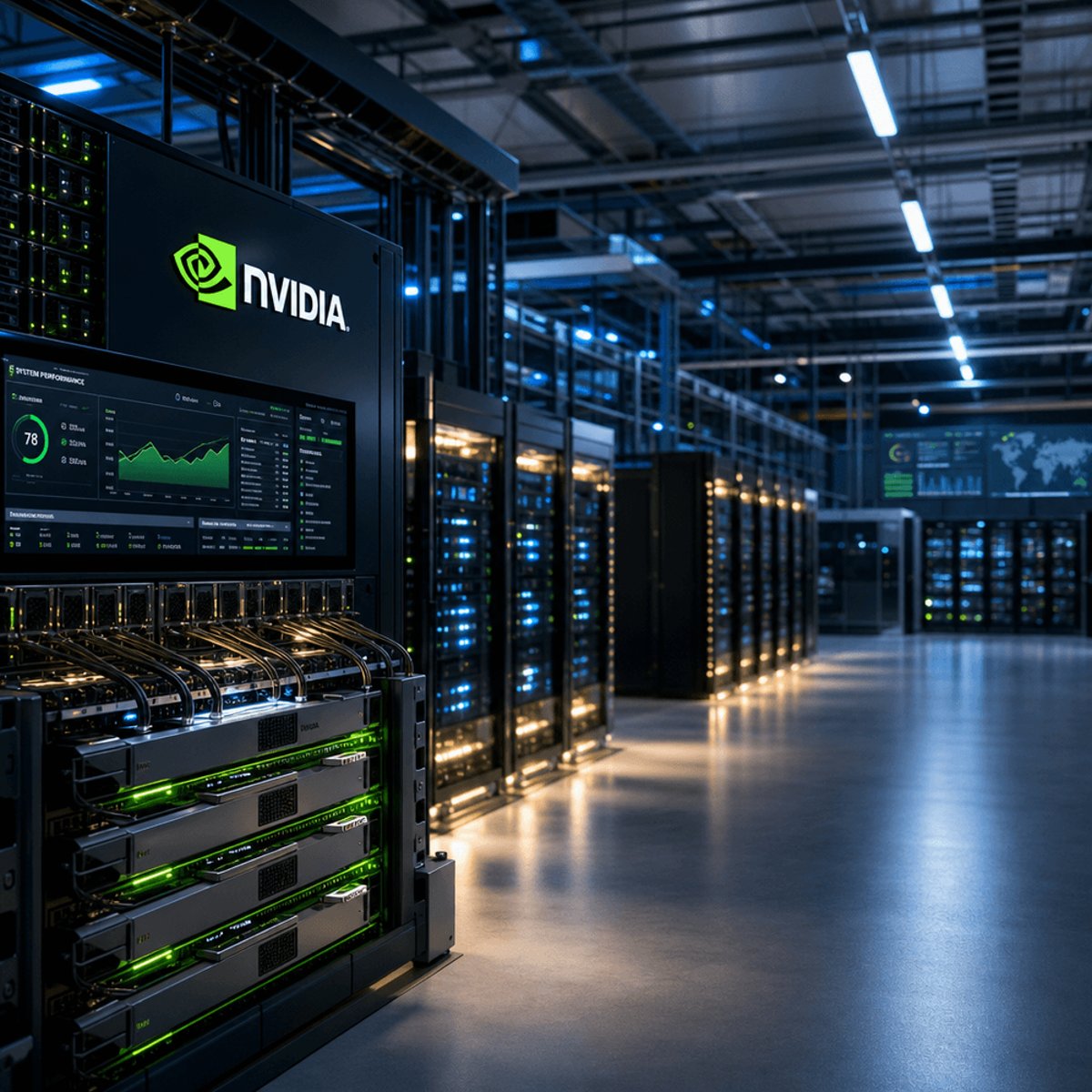
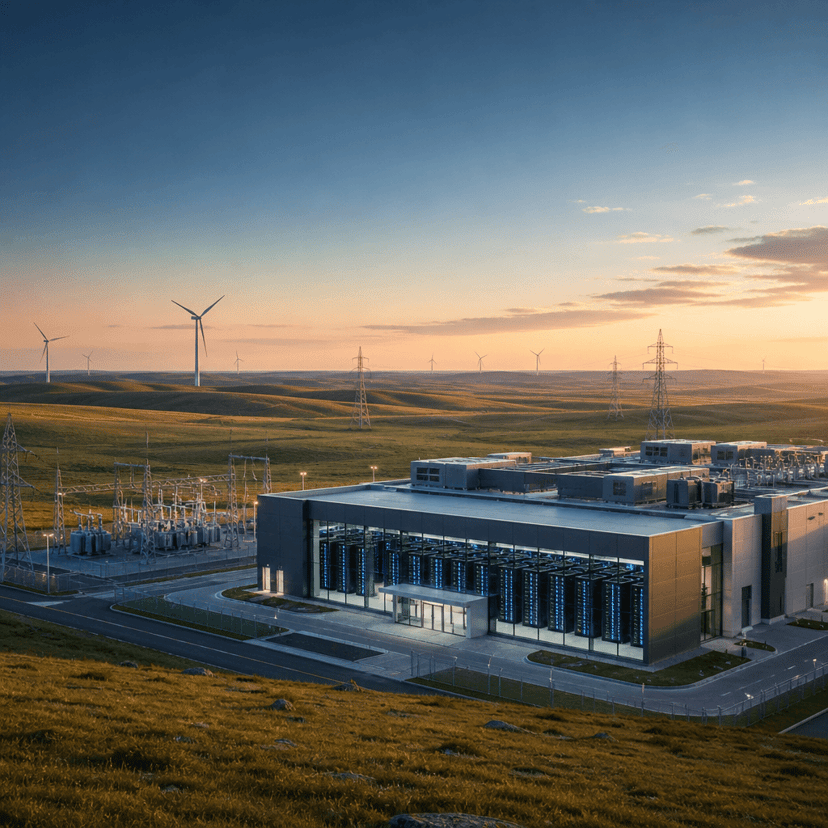
Nvidia is doubling down on data center infrastructure with a new partnership alongside Cloverleaf, marking another strategic bet on the AI infrastructure boom that's been fueling the chipmaker's record growth. The move comes as Nvidia continues to benefit from surging demand for AI computing power, creating a self-reinforcing cycle where the company both supplies chips to data centers and invests in building more of them.
Nvidia just made another calculated move in the AI infrastructure arms race. The company's partnership with Cloverleaf signals that Nvidia isn't content to just sell chips - it wants a piece of the entire data center ecosystem that runs on them.
The partnership, announced Friday, continues a pattern of strategic infrastructure investments from the chipmaker. While details remain sparse, the deal represents Nvidia's ongoing effort to capture more value from the AI boom beyond hardware sales alone.
It's a smart play that creates a virtuous cycle for Nvidia. AI data centers need massive amounts of computing power, which means they need Nvidia's GPUs. By investing in the infrastructure itself, Nvidia ensures demand for its own products while potentially earning returns from the data center operations. The company both supplies the picks and shovels for the AI gold rush and stakes claims in the mines themselves.
This strategy isn't new for Nvidia. The company has been steadily expanding its presence across the AI stack, from chips to software to now infrastructure. But the timing is particularly notable given the explosive growth in AI computing demand. Companies like OpenAI, which was mentioned in connection with this story, are consuming unprecedented amounts of computing resources to train and run their large language models.
The data center market is projected to grow substantially as AI workloads multiply. Traditional cloud providers like Amazon Web Services, Microsoft Azure, and Google Cloud are all racing to build out AI-optimized infrastructure. But specialized AI data centers are emerging as a distinct category, designed from the ground up for the unique power and cooling requirements of dense GPU clusters.
Cloverleaf's role in this partnership positions them as a key infrastructure player in Nvidia's broader ecosystem. Data center development requires expertise in everything from site selection to power infrastructure to cooling systems - all critical for facilities that will house thousands of power-hungry AI accelerators.
The partnership also reflects a broader trend of vertical integration in the AI industry. Companies are realizing that controlling more of the stack - from silicon to data centers to software - provides competitive advantages in speed, efficiency, and ultimately profitability. Meta has pursued a similar strategy, designing its own AI chips while building massive data centers to house them.
For Nvidia, this deal strengthens its already dominant position in AI infrastructure. The company's H100 and newer chips have become the de facto standard for AI training and inference. But as competition intensifies from rivals like AMD and custom chip efforts from cloud providers, owning more of the infrastructure layer provides additional defensibility.
The financial implications are significant. Nvidia's data center revenue has been the primary driver of its recent growth, accounting for the majority of its record earnings. By participating directly in data center development, the company can potentially capture margin that would otherwise go to pure-play infrastructure providers.
There's also a strategic defensive element. As AI workloads grow, ensuring there's sufficient infrastructure optimized for Nvidia's chips helps maintain the company's ecosystem advantage. If customers can easily deploy Nvidia-optimized infrastructure through partnerships like Cloverleaf, they're more likely to stay within the Nvidia ecosystem rather than explore alternatives.
Nvidia's partnership with Cloverleaf is more than just another infrastructure deal - it's a glimpse into how the AI hardware leader is thinking about long-term strategy. By moving beyond pure chip sales into the infrastructure that runs on those chips, Nvidia is building a more defensible moat around its AI dominance. As AI computing demand continues its exponential climb, expect to see more of these strategic bets from Jensen Huang's company. The question isn't whether Nvidia will remain a central player in AI infrastructure, but how much of the value chain it will ultimately control.