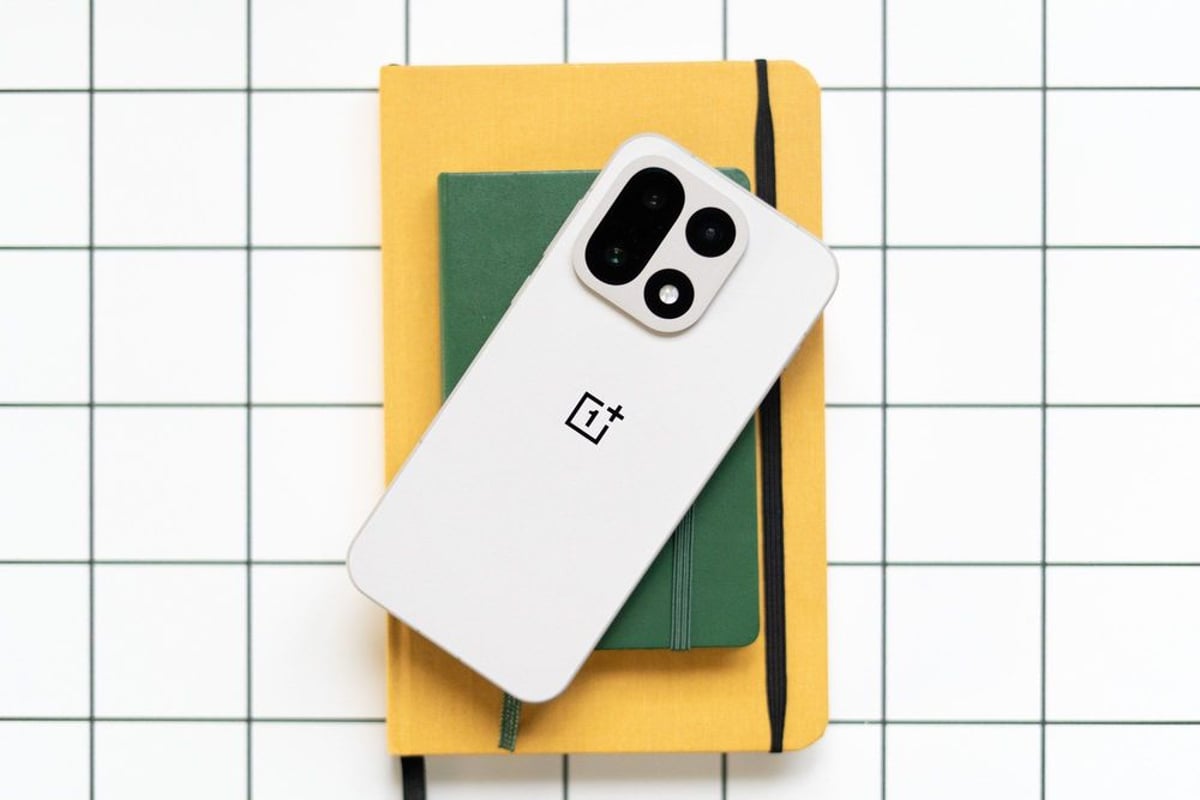
OnePlus just made it official: the company is pulling out of the US and European markets entirely, ending new product launches in both regions effective immediately. The move, confirmed to The Verge on Wednesday, marks the end of a nearly decade-long effort to challenge Samsung and Apple in Western markets. Parent company Oppo says it'll honor existing warranties and support commitments, but the retreat signals how difficult it's become for Chinese smartphone brands to gain traction outside Asia.
OnePlus built its reputation as the scrappy underdog taking on smartphone giants with flagship specs at mid-tier prices. That story just came to an end. The company confirmed Wednesday it's withdrawing from the US and European markets entirely, with no plans to launch new products in either region. The OnePlus 15, released late last year, now stands as the brand's swan song in the West.
"Software updates and after-sale support will be guaranteed" in both markets, James Paterson, senior PR manager for Oppo in Europe, told The Verge in a call. But the company wouldn't detail exactly how it plans to honor warranties and support agreements in the US, where it will now have zero physical presence. Existing OnePlus devices will transition to Oppo's ColorOS for future software updates, abandoning the OxygenOS interface that differentiated the brand.
The writing's been on the wall for months. Industry watchers flagged the possibility of an exit after OnePlus went silent on its usual spring launch cycle and pulled back from retail partnerships. The company's share of the US smartphone market had dwindled to barely 1%, according to recent Counterpoint Research data, squeezed between Apple's ecosystem lock-in at the premium end and aggressive budget competitors below.
Oppo faces its own headwinds. The Chinese manufacturer has struggled with patent disputes in Europe and mounting regulatory pressure on Chinese tech companies in Western markets. The company shuttered its UK operations earlier this year following a protracted legal battle with Nokia over 5G licensing. Now it's consolidating around its strongest markets - primarily China, India, and Southeast Asia, where it commands double-digit market share.
For OnePlus fans in the US and Europe, the news lands like a gut punch. The brand cultivated a devoted community since its 2014 debut with the "flagship killer" OnePlus One, priced at just $299 but packing specs that rivaled phones twice its cost. That aggressive value proposition helped OnePlus carve out a niche among enthusiasts and Android purists who appreciated the near-stock software experience and commitment to fast updates.
But OnePlus gradually drifted from those roots. Prices crept upward with each generation - the OnePlus 15 launched at $899, putting it squarely in premium territory alongside the Samsung Galaxy S series. The company also diluted its focus with a sprawling lineup of mid-range Nord devices and budget models that confused the brand message. Meanwhile, OxygenOS merged closer to Oppo's ColorOS after the companies unified their development teams in 2021, eroding one of OnePlus's key differentiators.
The competitive landscape shifted too. Samsung dominated Android with massive marketing budgets and carrier relationships OnePlus couldn't match. Apple kept extending its US market share, now sitting above 55% according to recent data. And budget players like Motorola and TCL offered compelling alternatives at lower price points. OnePlus got caught in the middle with no clear positioning.
What happens to existing OnePlus owners remains murky. Oppo promises continued support, but companies' definitions of "guaranteed" updates vary wildly. OnePlus previously committed to three years of major Android updates and four years of security patches for flagship devices. Whether Oppo maintains that timeline or shifts to its own support schedule is unclear. The transition to ColorOS also means users will lose OxygenOS features they've come to rely on.
The exit leaves a gap in the US Android market for enthusiast-focused devices. Google's Pixel line targets a similar audience but lacks OnePlus's emphasis on performance and customization. Samsung offers power with its Galaxy S Ultra series, but at premium prices. And Chinese competitors like Xiaomi and Realme never established US distribution. Android fans looking for the sweet spot OnePlus once occupied have fewer options than ever.
This isn't just a OnePlus story - it's symptomatic of how consolidated the smartphone industry has become. The market that once supported dozens of brands has collapsed into a handful of dominant players. Chinese manufacturers that seemed poised to disrupt Western markets a few years ago are now retreating. Huawei's exit following US sanctions. LG abandoning phones entirely. HTC's fade into irrelevance. Now OnePlus joins the list of cautionary tales.
For Oppo, the move makes strategic sense even if it stings. Western markets represent high costs for marketing, distribution, and regulatory compliance, all for minimal returns. Focusing resources on Asia, where the company already has scale and brand recognition, offers better odds of profitability. The smartphone market is mature and saturated - growth comes from defending strongholds, not fighting uphill battles in hostile territory.
OnePlus's exit marks the end of an era for Android enthusiasts who championed the brand's early promise of flagship performance without flagship prices. While Oppo pledges to maintain support for existing devices, the transition to ColorOS and uncertain warranty commitments leave current owners in limbo. The withdrawal underscores a harsh reality: even beloved brands can't survive on community goodwill alone when market economics turn against them. For the millions who bought into the OnePlus vision, Wednesday's announcement feels less like a business decision and more like a breakup - sudden, inevitable in hindsight, and leaving questions about what comes next.