Oxa has raised 103 million dollars in the first close of its Series D funding round, giving fresh momentum to its push into industrial automation. The round includes 50 million dollars from the UK’s National Wealth Fund, alongside new backing from NVIDIA’s NVentures and continued support from existing investors IP Group, Hostplus, and bp Ventures. A second and final close is expected in the first half of 2026, which could further increase the total raised in this round.
Funding and strategic goals
The new capital is earmarked to speed up the commercial rollout of Oxa’s industrial mobility automation platform, which is built to take over repetitive driving tasks in complex industrial environments. The company also plans to invest in its broader physical AI and robotics roadmap, including the Oxa Driver self-driving software stack and its Oxa Foundry development toolchain. Together, these products are intended to give customers a full suite for building, deploying, and managing autonomous vehicle operations on private and semi-controlled sites.
Products and deployments
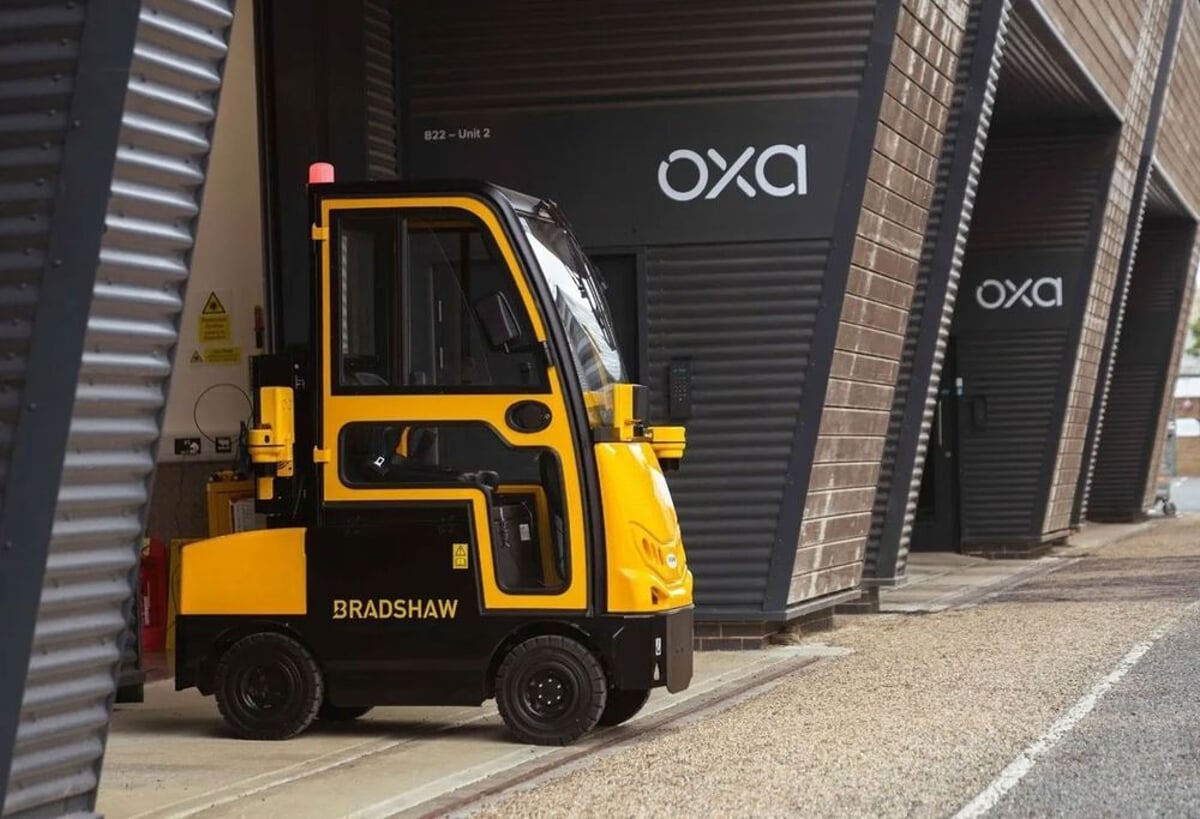
Oxa is already working with customers such as DHL, Vantec, and bp, deploying its technology across ports, airports, manufacturing facilities, and solar farms. Current use cases range from autonomous towing and goods movement to asset and perimeter monitoring, areas where automation can cut costs and improve safety. These deployments give Oxa real-world data and operational experience, which the company can feed back into its software and tooling to improve performance over time.
Expansion plans and policy alignment
Part of the Series D funding will go toward international expansion, with a focus on the UK, Europe, and the Middle East. That geographic push lines up with the UK government’s Advanced Manufacturing Sector Plan, which aims to boost innovation, automation, and productivity in strategically important industries. By targeting industrial mobility rather than consumer vehicles, Oxa is positioning itself at the intersection of autonomy, robotics, and industrial policy, where customers are often ready to pay for reliability, efficiency gains, and tighter integration with existing operations.