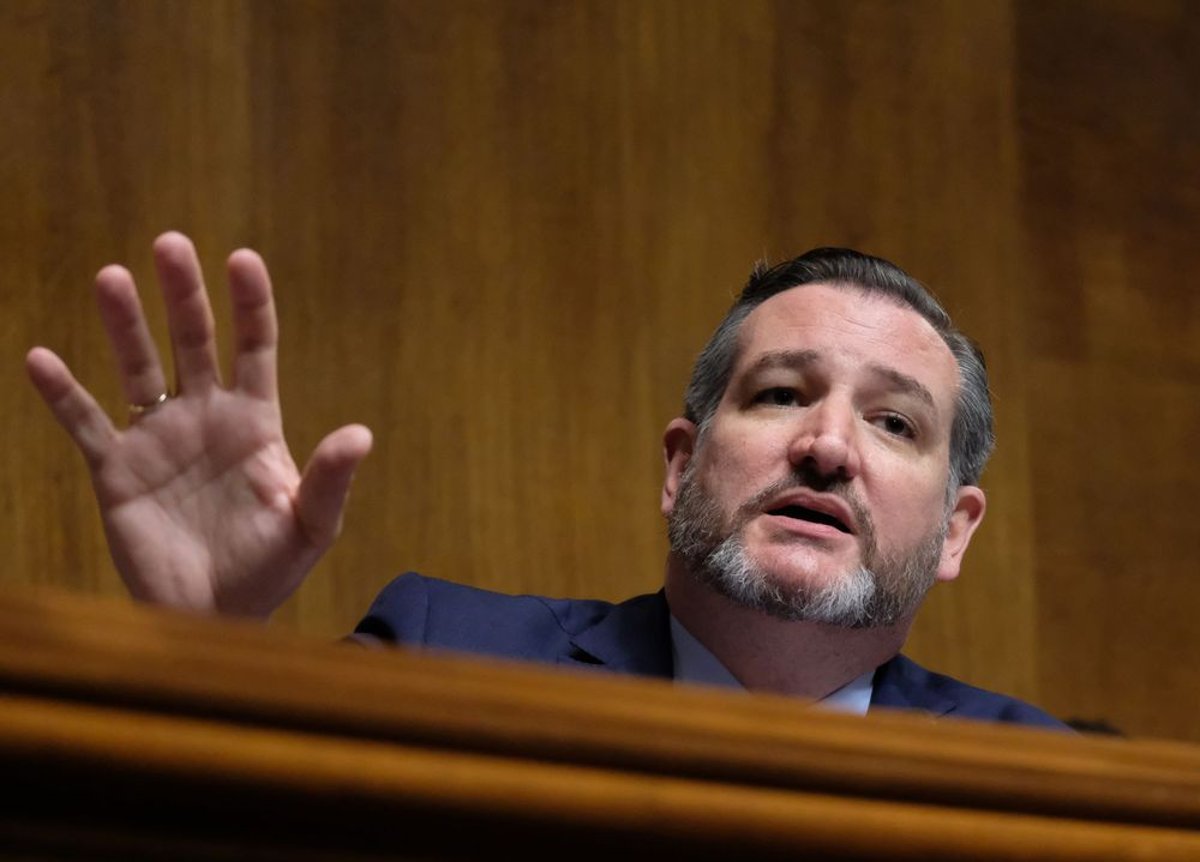
Senator Ted Cruz just dropped legislation that could fundamentally reshape AI oversight in America. The SANDBOX Act would let AI companies apply for waivers from federal regulations for up to 10 years, with the White House empowered to override agency rejections. Critics are calling it a 'sweetheart deal for Big Tech' that puts corporate interests above consumer protection.
Senator Ted Cruz just threw down the gauntlet on AI regulation, and the tech industry is about to get a decade-long regulatory holiday if he gets his way. The Texas Republican's new SANDBOX Act, introduced Wednesday, would create a federal 'sandbox' letting AI companies bypass regulations that they deem 'obstructive' to testing and deploying their products.
The mechanics are straightforward but the implications are staggering. Companies can apply for modifications or complete waivers from any federal regulation touching their AI systems. These waivers last two years at a time and can be renewed for up to 10 years total - essentially giving AI giants a regulatory free pass for an entire decade. In exchange, companies just need to pinkie-promise they'll disclose plans to mitigate consumer safety and financial risks.
Here's where it gets interesting: if a federal agency like the Federal Trade Commission doesn't respond within 90 days, the waiver gets automatically approved. And if agencies do reject applications? Companies can appeal directly to the White House Office of Science and Technology Policy, which has the power to override those denials. It's regulatory arbitrage with a political twist.
The timing isn't coincidental. This builds directly on Trump's AI Action Plan from July, which endorsed regulatory sandboxes and included what critics call a 'back door moratorium' by cutting funding to states that regulate AI. Cruz's bill is essentially the federal implementation of that vision, giving Washington the final say over AI oversight nationwide.
The backlash was swift and pointed. The Tech Oversight Project called it a 'sweetheart deal for Big Tech CEOs' that creates a two-tier system where companies with political connections get different rules than smaller startups. Consumer advocacy group Public Citizen warned the bill would let Silicon Valley apply the 'move fast and break things' mentality to actual laws and regulations.
Both groups raised alarm about giving OSTP override power over federal agencies, many of which have already been weakened by the now-dismantled DOGE initiative. The concern is valid - this essentially creates a political appeals court for corporate regulatory relief, with the White House as the final arbiter.
The bill resurrects echoes of Cruz's failed AI moratorium from earlier this year, which would have paused all state-level AI regulation for a decade. That legislation died in the Senate in July, but the SANDBOX Act achieves similar goals through federal preemption rather than outright bans.
Interestingly, Cruz's own state of Texas already passed an AI sandbox law in June - but that version limits exemptions to just 36 months. The federal bill's 10-year timeline suggests Cruz thinks bigger when it comes to national policy.
The legislation comes as AI companies face mounting scrutiny over safety, privacy, and market concentration. The FTC has been investigating major AI firms over data practices, while state regulators have pushed for transparency requirements. This bill would essentially hit the pause button on that enforcement pipeline.
For AI companies, particularly the major players like OpenAI, Google, and Microsoft, the SANDBOX Act represents a regulatory reset. Instead of navigating a patchwork of federal and state rules, they'd have a streamlined path to exemptions with political air cover from the White House.
The bill also includes an annual reporting requirement to Congress on waiver usage, which could provide transparency but also lobbying ammunition for future regulatory battles. Every waiver granted becomes a data point in the broader debate over AI governance.
The SANDBOX Act represents a fundamental shift in AI governance philosophy - from precautionary regulation to innovation-first exemptions. Whether it passes may depend on how Congress balances tech industry lobbying against growing public concern over AI risks. With Trump's backing and Texas already piloting a similar model, Cruz has positioned himself at the center of what could be the defining AI policy debate of 2025.