Prediction markets are positioning themselves as the future of news, but there's a dangerous catch. Platforms like Polymarket and Kalshi aren't just letting people bet on elections anymore - they're partnering with newsrooms, processing wagers on military strikes, and building business models that fundamentally rely on insider information. After a trader pocketed over $500,000 betting on the Iran offensive with suspiciously perfect timing, the central question becomes impossible to ignore: Is insider trading a bug in these systems, or the entire point?
The Verge senior reporter Liz Lopatto has been tracking prediction markets from what she calls the "chaos beat," and what she's uncovered reveals an industry caught in a fundamental contradiction. These platforms desperately want to be seen as journalism - not gambling - while their core value proposition depends entirely on people trading with information the public doesn't have yet.
When Polymarket and Substack announced their partnership in early 2026, the tagline was audacious: "Journalism is better when it's backed by live markets." But flip that premise around and the problem becomes clear. If journalism is supposed to inform the public about what happened, prediction markets claim to tell you what will happen. The only way to consistently win at that game is knowing something others don't.
"I don't think there is a difference" between prediction markets and gambling, Lopatto said flatly when asked to distinguish the two. The structural argument these platforms make - that users trade contracts with each other rather than betting against a house - doesn't hold up under scrutiny. "The contract is still a bet," she explains, walking through how even transferable contracts ultimately resolve based on an uncertain outcome.
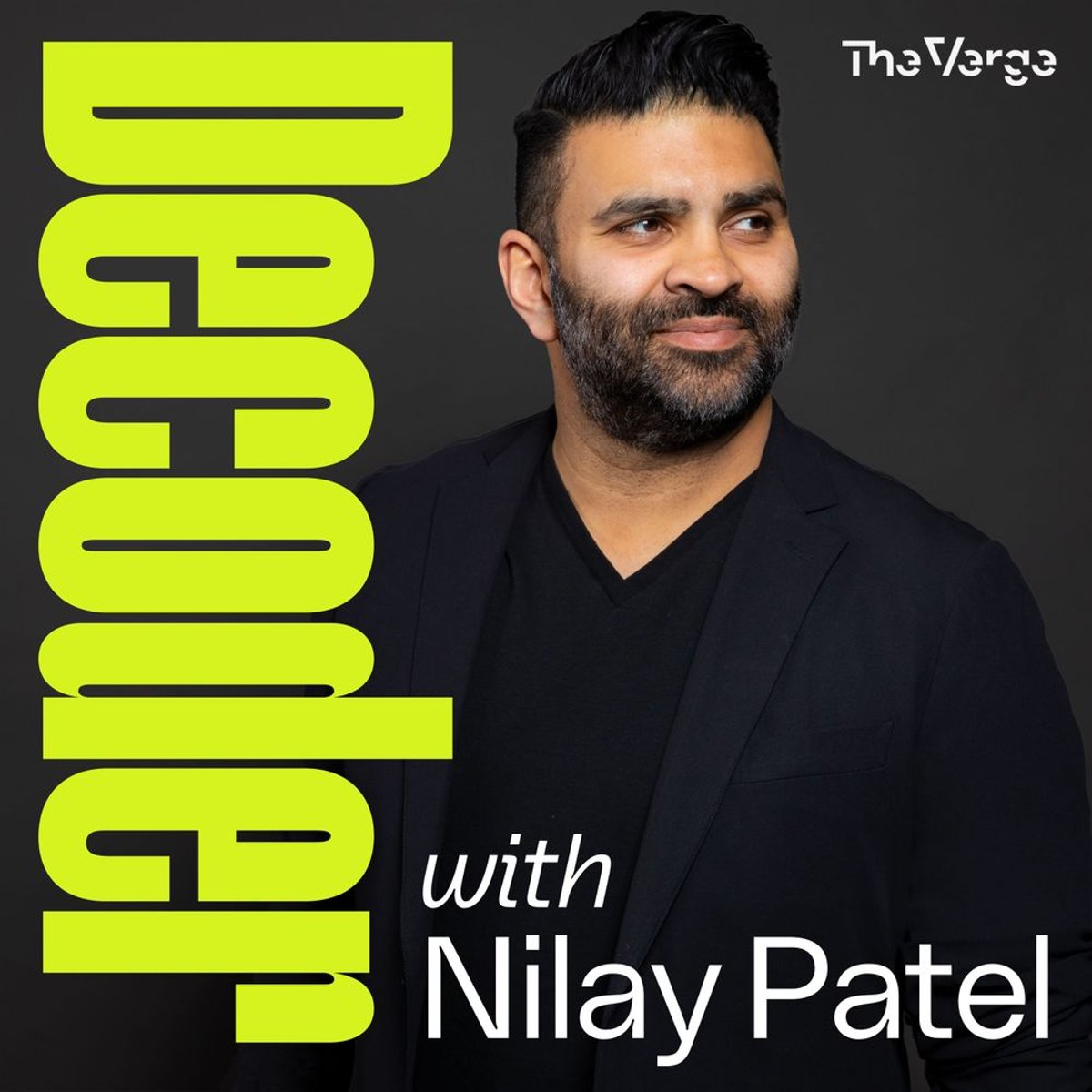
The real tells are in what industry leaders say when they think they're being clever. Polymarket CEO Shayne Coplan has called insider trading "cool." Robinhood CEO Vlad Tenev, whose platform partnered with Kalshi, told Decoder podcast host Nilay Patel that prediction markets deliver "the news faster, in some cases before it even happens."
Read that sentence again. News before it happens isn't news - it's a tip. And when money's on the line, it's insider trading.
The Iran offensive incident crystallized everything wrong with this model. As the U.S. and Israel launched military action, someone with apparent advance knowledge placed precisely timed bets on Polymarket and walked away with over half a million dollars. The platform refused to ban trading on military conflicts or world leader assassinations, citing their commitment to being an open information marketplace.
But this creates perverse incentives that corrupt the entire information ecosystem. Investigative journalists rely on insiders to expose wrongdoing - think of the Theranos whistleblowers who spoke to journalist John Carreyrou. Prediction markets now offer those insiders a more profitable alternative: trade on what you know instead of telling a reporter.
"By and large in the US, we don't pay for information. I have never in my entire career given anyone a dollar for anything," Lopatto explained. "It creates this weird perverse incentive when it comes to knowledge of wrongdoing, in part because now you can make money off of that instead of just trying to live in a society."
News organizations seem oblivious to how they're undermining their own newsrooms. When CNN or Substack partners with a prediction market, they're legitimizing a system that incentivizes sources to trade rather than talk. Worse, they're creating feedback loops where market movements become news, which moves markets, which becomes more news - "a roundabout monetization of what is essentially a rumor mill," as Lopatto puts it.
The industry's defense collapses under the slightest pressure. Tenev told Decoder that insider trading rules from traditional markets should apply, but also suggested existing rules are "good enough" - a barely disguised plea for no new regulation. When pressed on "new vectors for abuse" like betting on whether the U.S. will kidnap foreign leaders, he pointed to know-your-customer rules and self-policing.
Kalshi did issue its first insider trading fines in February 2026 - slaps on the wrist in the low thousands of dollars for a MrBeast editor betting on upcoming videos and a California politician trading on his own candidacy. The platform claims hundreds of investigations are open, but the central problem remains: the value of prediction markets is intrinsically tied to insider information.
That's why these platforms fight so hard against being classified as gambling. Sports betting drives most of their volume, and state regulators in Nevada, New Jersey, and Utah want them to comply with existing gaming laws and pay gambling taxes. Polymarket and Kalshi insist they're "information" and "part of the news ecosystem" instead.
The Trump administration is all-in on prediction markets. Donald Trump Jr. serves as an advisor to both major platforms. The sole commissioner at the Commodity Futures Trading Commission, Mike Selig, has threatened to sue any state that tries to regulate prediction markets. Meanwhile, a bipartisan coalition of governors is preparing for court battles, because these platforms directly undermine the gambling tax revenue their states collect from regulated sportsbooks.
The crypto connection runs deep. Polymarket processes many transactions in cryptocurrency - the Venezuela coup bet that Lopatto references paid out in crypto that the winner could launder before cashing out. It's the same financial nihilism that drove the meme stock craze and crypto speculation, packaged as civic engagement.
"Both the increase in inflation and the decrease in opportunities have resulted in people being like, 'all right, well, if I ever want to be able to retire, I have to gamble and get really rich,'" Lopatto observed. Young men especially are trapped in this logic, even though polling shows they know gambling is bad for them.
The historical parallels are ominous. America banned sports betting for decades after players were disgraced for throwing games. Boxing faced similar scandals. "This is something that we have dealt with before, decided that we did not want, and got rid of," Lopatto noted. "And now everybody who experienced it and was like, 'this is bad,' is dead, and so we're going to do it again and think it's going to turn out different."
What would force a reckoning? Probably not young men going bankrupt - that's been happening with crypto for a decade without moving the needle. More likely: an entire sports team or league caught fixing outcomes, or a major political scandal where someone in power manipulated events they'd bet on. Assassination markets aren't theoretical anymore when you can bet on whether Apple CEO Tim Cook will still be alive on a specific date.
The news industry's flirtation with these platforms is particularly galling. Every media organization that partners with Polymarket or Kalshi is telling sources: "Don't call our reporters. Bet on what you know instead." They're creating the conditions for their own obsolescence while calling it innovation.
Prediction markets have reached an inflection point where their contradictions can't be papered over anymore. They can't simultaneously be legitimate news sources and gambling platforms. They can't claim to surface truth while rewarding insider trading. And they can't partner with journalism while systematically corrupting the incentives that make journalism work. As state regulators, crypto critics, and even some Republicans break ranks with the Trump administration's full-throated support, 2026 will determine whether these platforms evolve into something sustainable or collapse under the weight of their own contradictions. What's certain is that treating them as journalism rather than casinos is a gamble newsrooms can't afford to take.