Amazon just unleashed its October Prime Day deals, and the real action is happening in the under-$100 space. From half-price video doorbells to premium earbuds at steep discounts, WIRED's team found 75+ deals that prove you don't need to spend big for serious tech upgrades during the October 7-8 event.
Amazon is betting big on budget-conscious shoppers this October Prime Day. While the headlines focus on flashy $500+ discounts, the real value lives in the under-$100 category where everyday essentials get meaningful price cuts.
The standout deal? Blink's Video Doorbell dropping to $30 - a full 50% discount that makes smart home security accessible to apartment renters and budget-wary homeowners. The 1080p doorbell normally commands $60, but Amazon is clearly using it as a loss leader to hook customers into their ecosystem.
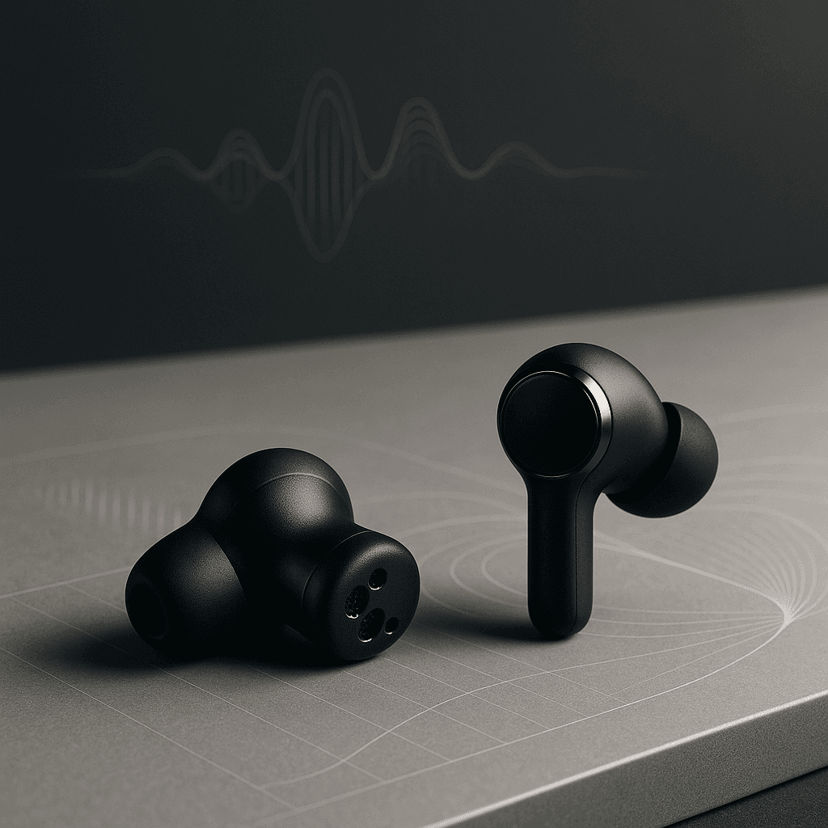
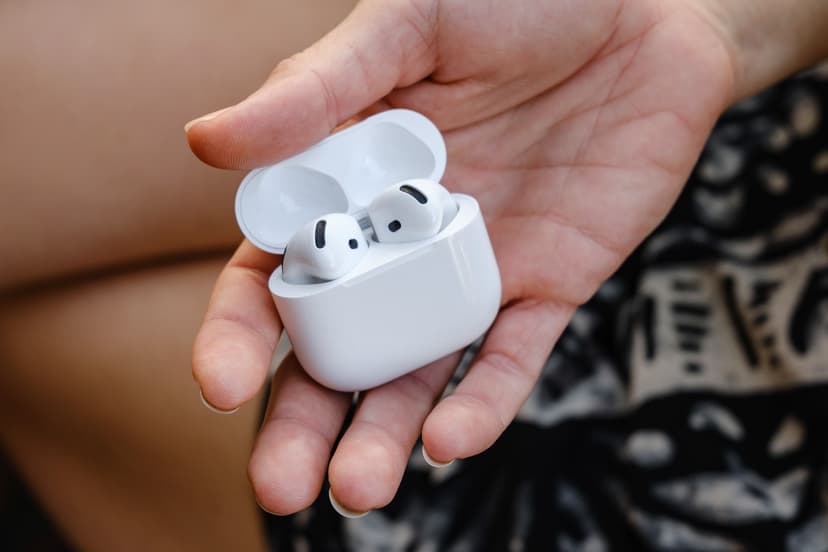
Audio gear is seeing particularly aggressive cuts. The Nothing Ear (a) earbuds, which WIRED called "the best cheap earbuds for both iOS and Android," drop from $99 to $69. That puts them in direct competition with Apple's entry-level AirPods while offering better Android compatibility and a distinctive transparent design.
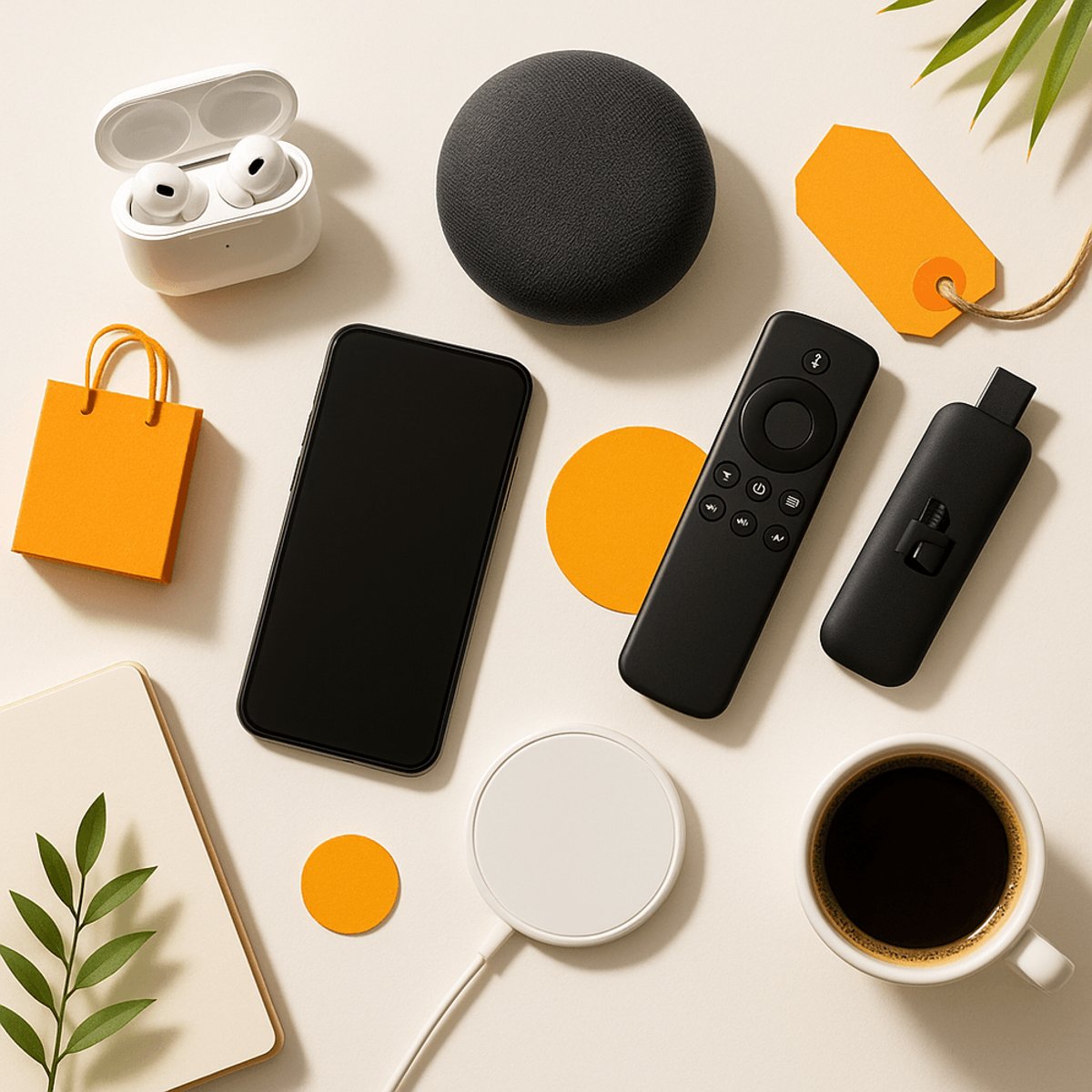
Amazon's own devices dominate the deals list, with the Echo Pop hitting $25 (down from $40) and Fire HD 8 tablets starting at $55. The pricing strategy is classic Amazon - sacrifice hardware margins to build Prime subscriber loyalty and ecosystem lock-in.
Streaming hardware shows the maturity of the market. Roku's Streaming Stick 4K dropping to $30 reflects intense competition from Google, whose TV Streamer 4K also hits $80 (down from $100). Both devices support 4K HDR streaming, making them genuine alternatives to pricier streaming boxes.
The kitchen category reveals how brands are using Prime Day to clear inventory. Instant Pot's Vortex air fryers see deep discounts - the 6-quart Slim model drops from $140 to $80. These aren't new products struggling to find an audience; they're established winners that brands are discounting to maintain market share.
Smart home security cameras show the commoditization of surveillance tech. TP-Link's Tapo cameras start at just $18, while higher-end options like the Eufy Indoor Cam S350 drop to $80 from $140. The message is clear: 2K video quality and smart features are no longer premium luxuries.
Wireless charging solutions highlight the maturation of the Qi standard. Belkin and Anker MagSafe-compatible chargers see 30-40% discounts, reflecting how standardization has driven down manufacturing costs and increased competition.
For pet owners, smart feeders and fountains showcase how IoT has penetrated traditionally analog categories. Petlibro's app-controlled water fountain at $60 includes features that would have cost hundreds just five years ago - water level monitoring, usage tracking, and smartphone alerts.
The deals reveal Amazon's broader strategy beyond just moving inventory. By making smart home devices more accessible, they're expanding the addressable market for Alexa-compatible products. The Echo Pop at $25 isn't just a speaker sale - it's a gateway drug to the Amazon ecosystem.
Fitness trackers from Fitbit and Amazfit show how established brands are responding to Apple Watch pressure. The Fitbit Inspire 3 at $80 maintains the company's focus on health tracking simplicity, while Amazfit's feature-packed Active 2 at $81 demonstrates how Android-focused brands compete on value.
Gaming accessories like the Razer Kishi Ultra controller dropping from $150 to $100 reflect the mobile gaming boom. Cloud gaming services from Microsoft and Google are driving demand for premium mobile controllers, creating opportunities for deeper discounts on existing inventory.
This Prime Day's under-$100 deals represent more than just discounts - they're a snapshot of how consumer tech has become genuinely affordable. Products that cost $200+ just a few years ago now deliver premium features for under $50. For shoppers willing to look beyond the headline-grabbing discounts, October Prime Day offers a chance to upgrade everyday tech without breaking budgets. The real winners aren't necessarily those chasing the biggest percentage discounts, but those who recognize quality products at their lowest prices of the year.