The smartphone industry is staring down a supply chain crisis that's about to hit your wallet. At Mobile World Congress this week, phone manufacturers from Xiaomi to smaller players confirmed what analysts have been warning about for months - a global RAM shortage is forcing the industry to make hard choices between raising prices or cutting specs. The crunch comes as AI-powered phones demand more memory than ever, creating a perfect storm for consumers expecting affordable upgrades.
The consensus at this year's Mobile World Congress in Barcelona is remarkably clear - everyone's feeling the RAM pinch, and it's going to cost you.
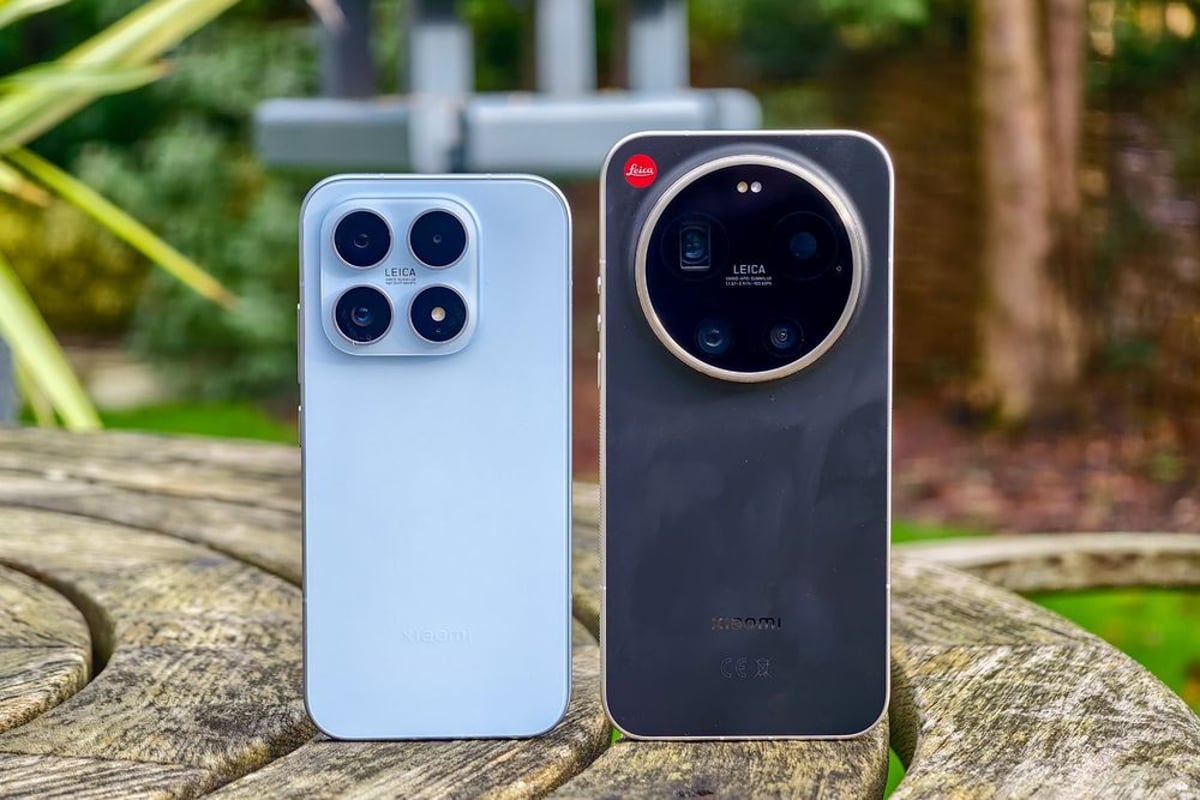
Phone makers big and small spent the week confirming what supply chain watchers have been tracking since late 2025: memory chip shortages are squeezing margins across the industry. Xiaomi managed to hold the line on pricing for its recently launched 17 and 17 Ultra flagships, but the company's strategy reveals how precarious that position is. "We can potentially go for bigger volumes, especially in the mid-range segment and entry-level segment, so then we can try to lower costs in that area," Angus Ng, Xiaomi's director of communications and public relations, told The Verge at the show.
It's a delicate balancing act. For a major player like Xiaomi, volume becomes leverage - order enough chips and you can negotiate better rates with suppliers like Samsung and SK Hynix. But that strategy only works if you can actually move those units, and flooding the mid-range market with devices comes with its own risks in an already saturated smartphone landscape.
What Xiaomi won't do is pull back on flagship specifications. In today's market, where AI features are becoming table stakes, skimping on RAM isn't an option. Modern AI-powered smartphones need substantial memory to run on-device large language models and handle real-time image processing without stuttering. The Xiaomi 17 Ultra ships with up to 16GB of RAM precisely because anything less would compromise the AI camera features and assistant capabilities that justify its premium positioning.
The crisis isn't hitting everyone equally. Smaller manufacturers attending MWC painted a grimmer picture, speaking on background about limited options when you can't order millions of units at once. TCL and other mid-tier brands lack the purchasing power of the big players, potentially forcing them to either accept razor-thin margins or exit competitive price segments entirely. This could accelerate a trend that's been building for years - the smartphone market consolidating around a handful of global giants who can weather supply shocks.
The root cause traces back to an industry miscalculation. When AI capabilities started migrating from cloud servers to smartphone processors in 2024 and 2025, memory requirements exploded. A phone that could get by with 6GB or 8GB of RAM suddenly needed 12GB or 16GB to deliver smooth AI experiences. Memory manufacturers didn't expand capacity fast enough to meet this surge, creating the bottleneck now rippling through MWC's exhibition halls.
Meanwhile, those same memory suppliers are also feeding demand from AI server farms, laptop manufacturers pivoting to AI PCs, and automotive companies building smarter vehicles. Nvidia's data center GPUs alone consume massive quantities of high-bandwidth memory. Phone makers are essentially competing with some of the most profitable sectors in tech for the same finite supply of chips.
The timing couldn't be worse for an industry that's struggled to convince consumers to upgrade. Global smartphone shipments have been flat or declining for several quarters as people hold onto devices longer. Price increases driven by component costs could further dampen upgrade cycles, creating a vicious cycle where manufacturers can't hit the volume targets that might ease their supply negotiations.
Some analysts are watching whether this crunch might actually accelerate alternative approaches. On-device AI that's more memory-efficient, hybrid cloud-device processing models, or even a shift back toward more cloud-dependent features could emerge if the RAM shortage persists through 2026. But those solutions require rethinking product roadmaps that have been locked in for months.
For now, the message from Barcelona is clear: the smartphone industry entered 2026 hoping component costs would stabilize. Instead, they're preparing customers for an uncomfortable conversation about why this year's upgrade is going to cost more than last year's model - even if the improvements feel incremental.
The RAM shortage is forcing a reckoning for the smartphone industry that goes beyond simple price adjustments. Companies with scale and volume can play defense, at least for now, while smaller players face existential choices about which markets they can afford to compete in. But the underlying tension - AI features demanding more memory than supply chains can easily provide - isn't resolving quickly. Whether this drives genuine innovation in efficiency or simply pushes more costs onto consumers will define the smartphone market through 2026. What's certain is that the era of assuming component costs always trend downward is over, and the industry is still figuring out how to break that news to customers who've come to expect more phone for less money every year.