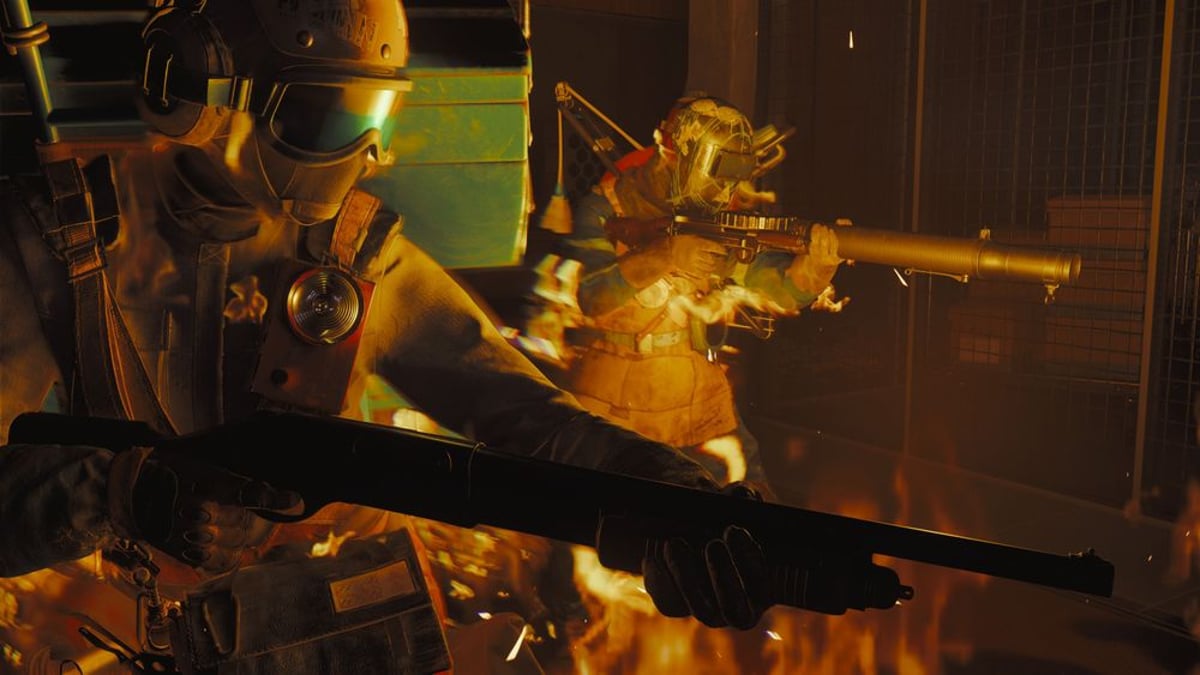
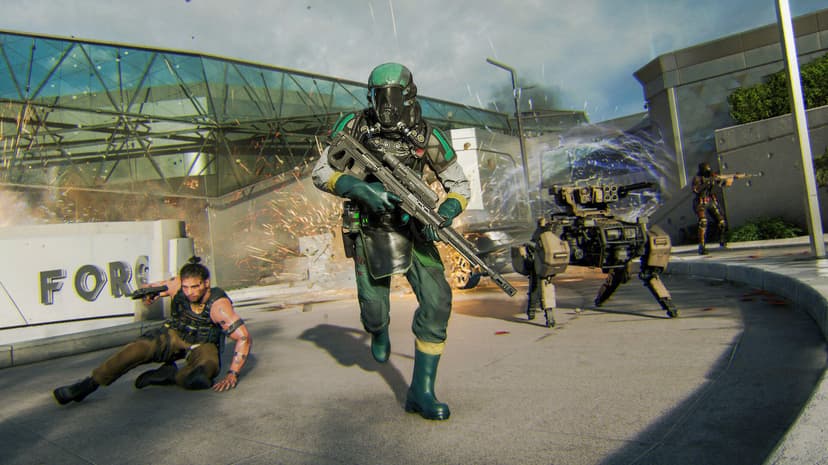
Remedy Entertainment is rolling out a major overhaul for FBC: Firebreak after the Control universe spinoff struggled with complaints about repetitive gameplay and lack of narrative depth. The 'Breakpoint' update, launching September 29th, promises to refresh the core game mechanics and add substantial new content to win back players who felt let down by the June launch.
Remedy Entertainment is scrambling to save FBC: Firebreak, and the Finnish studio isn't mincing words about what went wrong. The multiplayer spinoff of its acclaimed Control universe launched in June to immediate backlash over repetitive missions and a surprising lack of the studio's signature storytelling flair.
"Several things have gone well. Clearly, not everything has," Remedy admitted in a candid post-launch update that sent shockwaves through the gaming community. It's rare to see a studio acknowledge such fundamental missteps so directly.
Now the company is betting big on redemption with "Breakpoint," a free update landing September 29th across all platforms. According to Remedy, "this update is more than just new content - it's a refresh of how the core game is played." That's developer speak for "we're fixing what we got wrong the first time."
The centerpiece is a complete overhaul of the mission system. Gone is the static Job Board that players criticized as predictable and boring. In its place comes the Crisis Board, which presents 4-6 dynamically rotating missions that refresh every 30 minutes. "Making FBC: Firebreak feel more dynamic, less predictable, and closer to its first-responder fantasy," Remedy explains in detailed patch notes.
The timing couldn't be more critical. While other live-service games like Destiny 2 and Warframe have built loyal followings through constant evolution, Firebreak's static launch content quickly wore thin. Players who initially praised the game's tactical co-op mechanics found themselves grinding the same handful of missions repeatedly.
Remedy is addressing variety complaints head-on with substantial content additions. Five new enemy types will populate missions, while six new weapons (split between grenades and heavy weapons) expand combat options. Perhaps most significantly, 27 new gun modifications promise deeper customization - a direct response to feedback about shallow progression systems.
The standout addition is "Outbreak," a new mission type where Mold infestations create unique environmental hazards and enemy behaviors. It's the kind of narrative-driven content that made Control so compelling, suggesting Remedy is trying to inject more of its creative DNA into what initially felt like a generic co-op shooter.
Behind the scenes, Remedy has also streamlined the game's economy and progression systems after players complained about confusing upgrade paths and resource scarcity. A new tutorial level aims to better onboard newcomers, while the Quick Reinforce feature lets experienced players jump into ongoing missions to help struggling teams.
The gaming industry is watching this recovery attempt closely. Live-service games live or die by their ability to evolve post-launch, and Remedy's reputation for narrative excellence makes Firebreak's stumble particularly surprising. The studio built its brand on atmospheric single-player experiences like Alan Wake and Control, making this multiplayer pivot feel risky from the start.
Competitors aren't standing still. Epic Games continues pushing Fortnite's evolving narrative, while Bungie prepares major Destiny 2 expansions. In this crowded market, Remedy needs Breakpoint to not just fix problems but demonstrate why Firebreak deserves players' time and attention.
The studio isn't stopping with September's update. November will bring cross-platform voice chat and a new game mode, while March 2026 promises a third major content drop. It's an ambitious roadmap that suggests Remedy is committed to the long haul, despite the rocky start.
"We hope that these changes and additions make FBC: Firebreak more welcoming to new players while deepening the challenge and customization for veterans," the studio says. Whether that hope translates to player retention will determine if Control's multiplayer experiment can recover from its stumbling first steps.
Remedy Entertainment faces a crucial test with Breakpoint - whether a studio known for single-player storytelling can successfully pivot to live-service gaming. The comprehensive update addresses many launch complaints, but in today's competitive multiplayer landscape, fixing problems is only the first step. The real challenge will be proving that FBC: Firebreak can evolve into something worth players' long-term investment, especially with November and March updates still to come.