The last-mile delivery wars just got a major new player. Also, the autonomous vehicle spinoff from electric truck maker Rivian, just closed a $200 million funding round led by DoorDash and Greenoaks Capital, pushing its total funding past the $500 million mark. The deal signals DoorDash's aggressive push into self-driving delivery tech as the food delivery giant looks to slash the hefty costs of human couriers while competing with Uber's robotics ambitions.
Also, the autonomous vehicle company spun out from electric truck maker Rivian last year, just secured the kind of validation every startup dreams of - a strategic investment from the exact customer it's trying to serve. DoorDash joined venture firm Greenoaks Capital in pouring $200 million into Also, according to TechCrunch, bringing the company's total funding to more than $500 million since its inception.
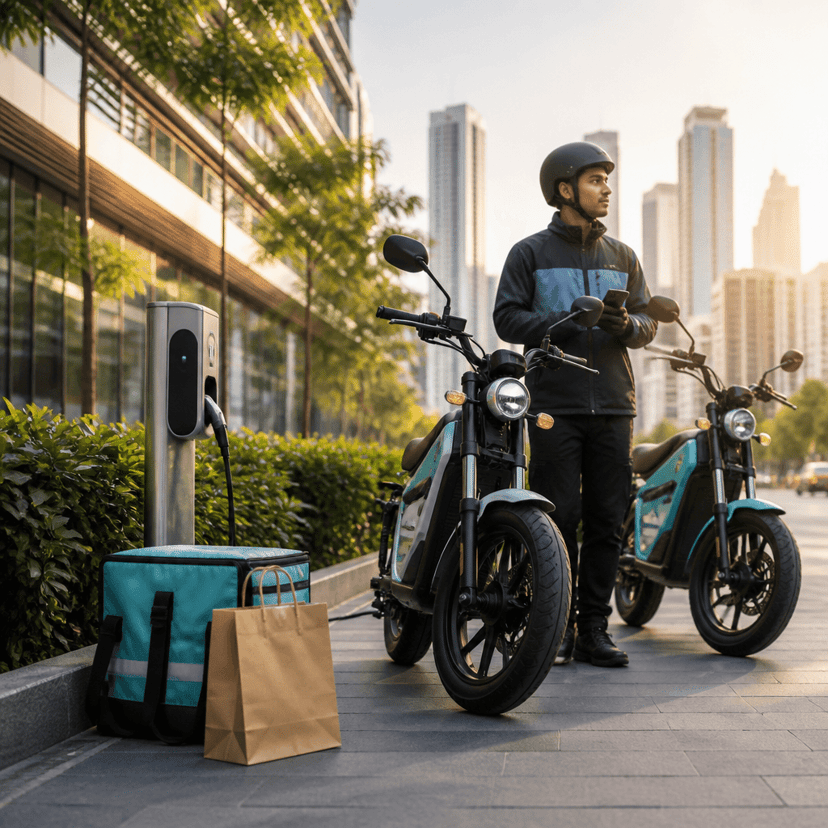
The partnership comes as DoorDash faces mounting pressure to reduce its dependence on gig workers, whose costs have eaten into the company's margins for years. Delivery fees and driver compensation now account for roughly 60% of every order's cost, making autonomous vehicles one of the few paths to sustainable profitability in the brutally competitive food delivery market. By investing directly in Also, DoorDash is betting it can control its own destiny rather than relying on third-party robotics providers.
Rivian launched Also as an independent entity in early 2025, transferring key engineers and its electric skateboard platform technology to the new venture. The spinoff strategy let Rivian focus on consumer trucks and SUVs while giving Also the freedom to pursue commercial partnerships without conflicting with Rivian's brand positioning. The approach mirrors how GM spun out Cruise and Ford invested in Argo AI, though those efforts have faced significant setbacks in recent years.
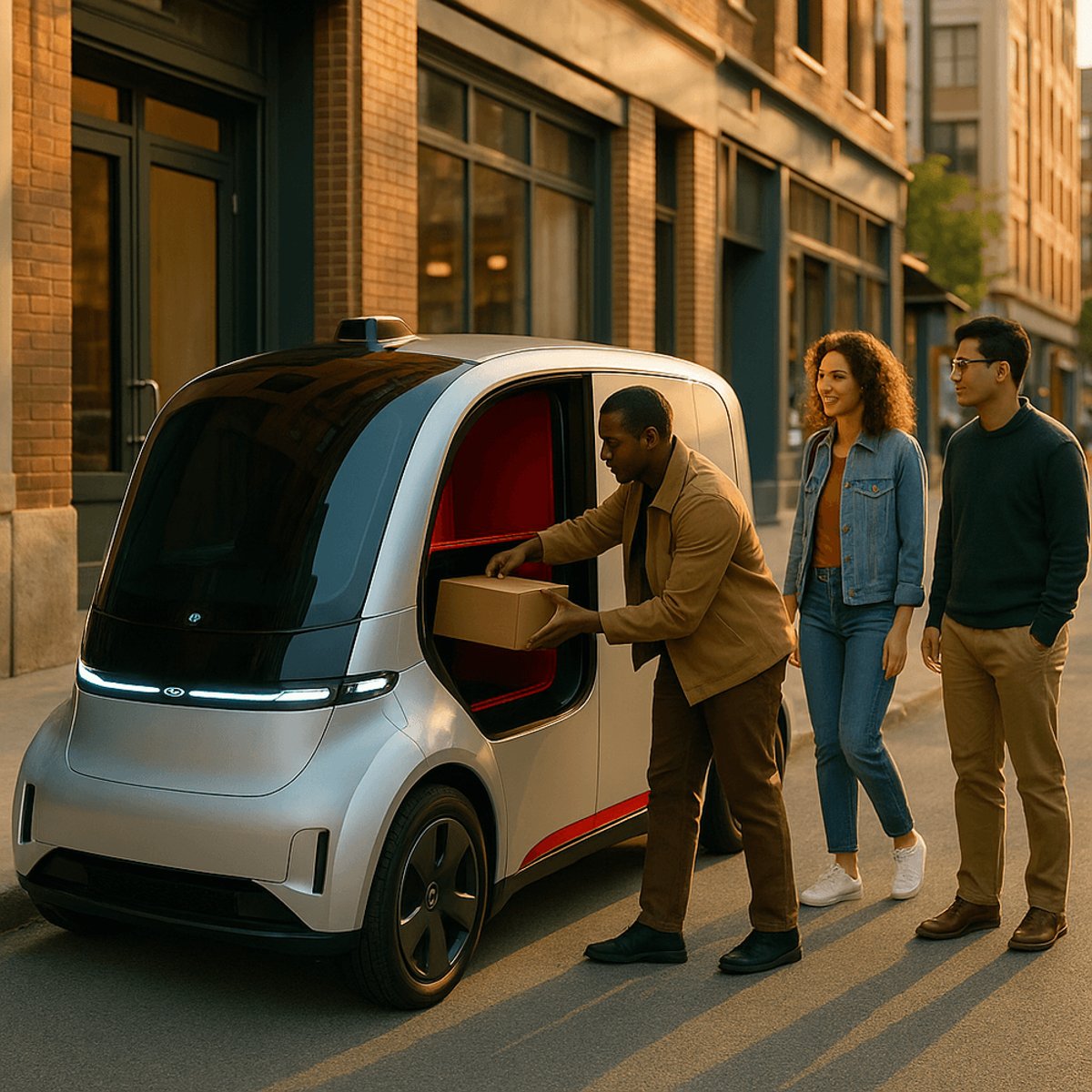
What sets Also apart is its focus on purpose-built delivery vehicles rather than retrofitting existing cars with self-driving tech. The company plans to design compact, electric autonomous pods optimized for navigating urban streets and making frequent stops - think something between a sidewalk robot and a small van. This middle-ground approach targets the gap left by tiny sidewalk bots like those from Starship Technologies, which can only carry small orders, and full-size autonomous vans that are overkill for most deliveries.
DoorDash has been testing autonomous delivery for years, partnering with companies like Nuro and Serve Robotics for limited pilots in California and Texas. But those partnerships involved using the providers' existing vehicles. The Also deal represents a shift to custom hardware designed specifically for DoorDash's operational needs, from cargo capacity to delivery density to regulatory compliance across different cities.
The $500 million war chest gives Also serious runway to develop and deploy its first fleet. For context, Nuro raised over $2 billion before pulling back on deployments amid regulatory hurdles and technical challenges. Cruise burned through billions more before GM slashed its funding after a high-profile pedestrian incident in San Francisco. The autonomous delivery space is littered with well-funded failures, making execution everything.
Greenoaks Capital, known for backing companies like Discord and Stripe, brings growth-stage expertise to Also's cap table. The firm's co-investment with DoorDash suggests confidence that the technology can scale beyond pilots to meaningful commercial deployment. Greenoaks typically invests $50-150 million per round, indicating it likely took a substantial stake alongside DoorDash's strategic position.
The timing is critical. Cities from San Francisco to Miami are finally establishing regulatory frameworks for autonomous delivery vehicles after years of uncertainty. California's DMV recently expanded permits for driverless delivery operations, while federal safety standards for low-speed autonomous vehicles are moving through Congress. This regulatory thaw creates a narrow window for companies like Also to establish themselves before the market consolidates.
For Rivian, the Also spinoff provides a strategic hedge. If autonomous delivery takes off, Rivian maintains meaningful equity upside without distracting from its core consumer vehicle business. If Also struggles, Rivian can maintain arm's length distance. Either way, the partnership keeps Rivian's technology relevant in the commercial vehicle space it initially targeted before pivoting to adventure trucks.
The delivery automation race now features a complex web of partnerships and competitors. Uber operates Serve Robotics through a spin-out investment structure. Amazon develops its own Scout delivery robots while also backing Zoox for passenger transport. Walmart tests multiple providers. Also's DoorDash partnership gives it a guaranteed path to scale, but also locks it into serving one master in a market where flexibility might prove crucial.
Also's $200 million DoorDash deal represents the clearest validation yet that autonomous delivery is moving from science project to serious infrastructure investment. But raising money and deploying robots are entirely different challenges. The real test comes when Also's vehicles hit the streets at scale, navigating everything from double-parked cars to unpredictable pedestrians to apartment building lobbies. DoorDash is betting half a billion dollars that Also can crack problems that have humbled far larger competitors. For Rivian, the spinoff provides a low-risk ticket to the autonomous future. For the rest of us, it means the food delivery robot revolution might finally be ready to leave the pilot phase behind.